
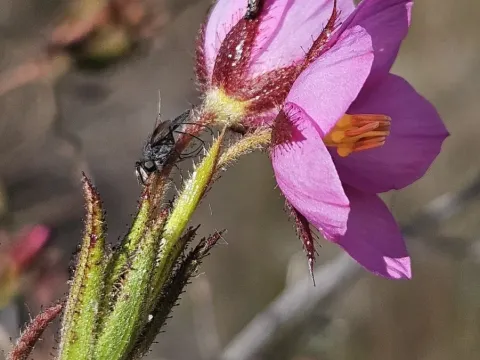
Roridula
Roridula
Roridula is a genus of carnivorous plants within the Roridulaceae family, native to the Cape region of South Africa. These plants exhibit a unique adaptation where they utilize insects to digest prey, relying on a mutualistic relationship with Pameridea bugs that break down trapped nutrients.
What the section contains

Roridula
The cultivation of Roridula requires specific soil conditions mimicking their native habitat. They thrive in acidic, nutrient-poor, well-draining substrates composed primarily of peat, sand, and perlite, which prevent compaction and ensure optimal aeration for the roots.
Light intensity is a critical factor for the development of the glandular hairs that produce the sticky secretion. Without high-intensity light, the plant will not develop its characteristic traps and will become weak, making it highly susceptible to physiological stress.
Climate requirements involve moderate temperatures with distinct diurnal fluctuations. Keeping the plant in a range of 18–25°C during the day and ensuring cooler nights (10–15°C) is essential for the healthy physiological growth and respiration of the organism.
Irrigation must be performed using distilled, deionized, or reverse osmosis water. The plant is extremely sensitive to dissolved minerals and salts; therefore, regular flushing of the growing medium is necessary to prevent the accumulation of toxic ions that can damage the root system.
Root rot is the most significant threat to Roridula, generally caused by waterlogged substrates or poor aeration. Maintaining a consistent balance between humidity and fresh air movement is the best defense against root-decaying pathogens.
Pests such as aphids and spider mites can infest the foliage, disrupting the secretory function of the glandular hairs. When managing pests, one must avoid harsh systemic insecticides that could interfere with the plant’s unique symbiotic biology.
Fungal pathogens can manifest as leaf spots or stem decay, particularly in environments with high humidity and stagnant air. Proper spacing between plants and the use of fans for ventilation significantly mitigate these risks in greenhouse environments.
Nutrient toxicity, resulting from the use of non-purified water or excessive fertilization, manifests as scorched leaf tips and a cessation of new growth. This condition is often fatal if not immediately addressed by flushing the media with purified water.
Environmental stress, such as extreme heat or light deprivation, weakens the plant’s natural resistance, making it prone to opportunistic infections. Consistent monitoring of environmental parameters is the key to maintaining a healthy and robust population of Roridula.