
Alpine buckthorn
Rhamnus alpina
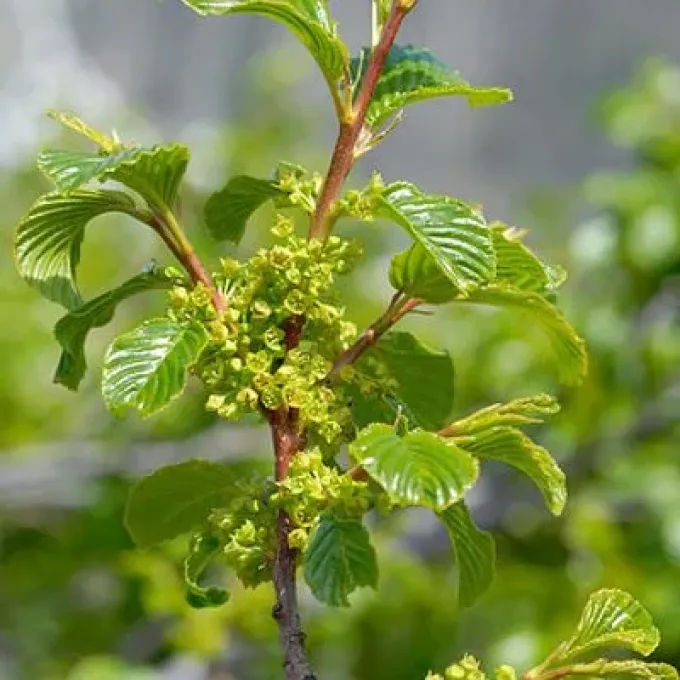
Description
Growing requirements
Alpine buckthorn, known scientifically as Rhamnus alpina, is a deciduous shrub belonging to the Rhamnaceae family. It is native to the mountainous regions of Southern and Central Europe, typically growing on rocky, limestone-rich slopes at subalpine altitudes.
The species is highly adapted to harsh mountain climates, demonstrating excellent frost tolerance and the ability to thrive in poor, rocky soils. For cultivation, it is essential to choose a site with well-drained soil, as the plant does not tolerate waterlogging in the root zone.
As a sun-loving species, Alpine buckthorn requires full sun exposure to maintain its dense foliage and healthy growth habit. It grows best in soils with neutral to slightly alkaline pH levels, typical of its native limestone habitats.
The plant exhibits a slow growth rate, making it an excellent choice for rock gardens, low-maintenance landscapes, and erosion control on slopes. Its robust root system allows it to stabilize soil efficiently, which is a key advantage for environmental restoration projects.
Cultural maintenance involves basic care, such as removing dead wood and providing supplementary water during extreme drought in the first few years after planting. Once established, the shrub becomes highly self-sufficient and requires very little intervention from the gardener.
Main diseases and pests
Although robust, Alpine buckthorn can be susceptible to rust diseases in humid environments with poor air circulation. Improving site ventilation and applying copper-based fungicides when symptoms appear are standard control measures.
Aphids can occasionally colonize young, succulent shoots during the early stages of the growing season. While usually not fatal to an established shrub, heavy infestations can be treated with insecticidal soap to prevent growth inhibition.
Root rot is a potential risk if the soil lacks proper drainage or if the plant is overwatered. Prevention involves incorporating organic matter and grit during the initial planting phase to ensure a loose, aerated soil structure.
Sanitation practices, such as removing leaf litter and pruning damaged branches, are vital for disease prevention. Maintaining a clean area around the base of the shrub helps prevent the overwintering of pests and fungal pathogens.
Monitoring for signs of pests or nutritional deficiencies allows for targeted interventions rather than broad-spectrum treatments. By selecting an appropriate planting site that mimics its natural habitat, most health issues can be effectively avoided.