
Alderleaf buckthorn
Rhamnus alnifolia
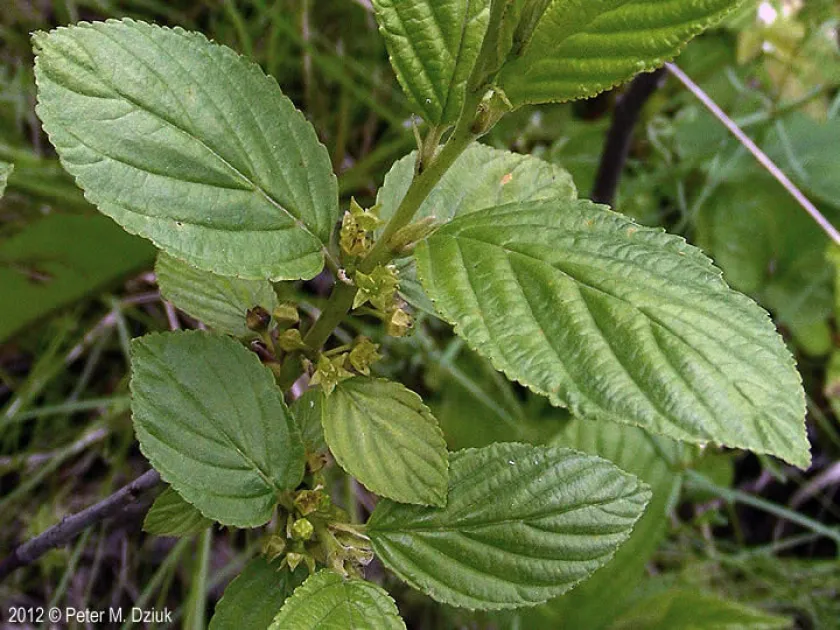
Description
Growing requirements
Alderleaf buckthorn (Rhamnus alnifolia) is a deciduous shrub belonging to the Rhamnaceae family. It is native to North America, typically found in wetlands, swamps, and moist forest environments where it thrives in hydric soil conditions.
The plant exhibits excellent cold hardiness, making it suitable for northern agricultural zones. It prefers acidic to neutral soil types that are rich in organic matter and maintain a high level of moisture throughout the active growing season.
In terms of cultivation, light management is essential; while it tolerates partial shade, full sun exposure is preferred in cooler regions. Consistent watering is critical, as the species is not drought-tolerant and will suffer significant physiological stress if soil moisture drops too low.
Botanical development of the shrub is relatively slow, reaching a mature height of approximately 1 to 1.5 meters. Propagation is generally successful through seeds that have undergone cold stratification or via semi-hardwood cuttings collected during the late summer.
Its primary agricultural and landscape use involves habitat restoration and erosion control on wet sites. Unlike some other Rhamnus species, its fruits are small and not typically cultivated for large-scale human consumption due to their purgative nature.
Main diseases and pests
Common health issues for Rhamnus alnifolia include fungal leaf spots and mildew, which are exacerbated by poor air circulation and excessive humidity. Maintaining proper plant spacing helps to mitigate these atmospheric threats in dense plantations.
Pest management should focus on monitoring for aphids and scale insects, which can weaken the shrub's vigor. Integrated pest management (IPM) practices, including the preservation of natural predators, are recommended to maintain a healthy shrub population.