
Trichostomum tenuirostre
Trichostomum tenuirostre
Description
Growing requirements
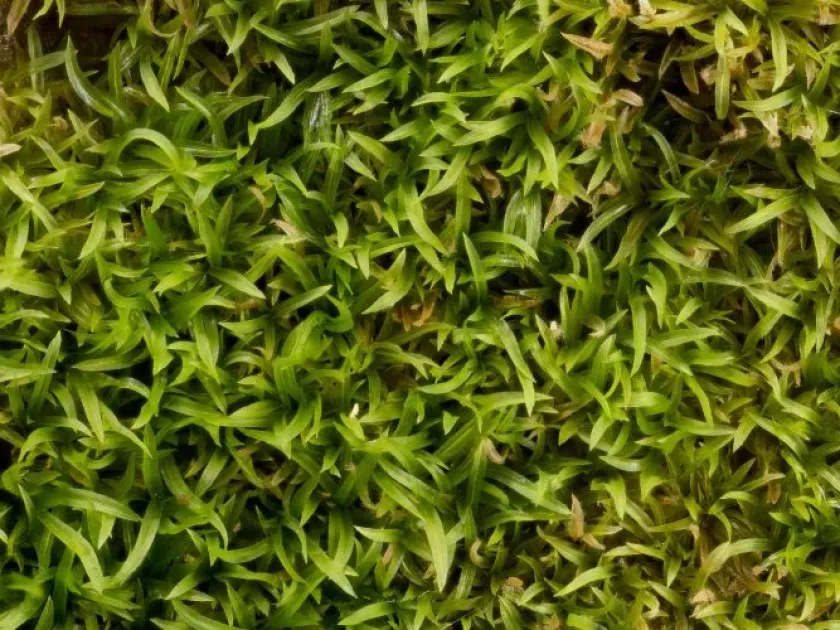
Trichostomum tenuirostre is a perennial moss species belonging to the Pottiaceae family. While not an agricultural crop, it is a significant element of bryoflora that forms dense, cushion-like mats in specific moist habitats across the Northern Hemisphere.
The botanical structure of this moss consists of short, erect stems covered with narrowly lanceolate leaves. These leaves exhibit unique physiological adaptations that allow the plant to tolerate desiccation for short periods, although it thrives in consistently damp environments.
It is primarily found in regions with high atmospheric humidity, often colonizing rocky outcrops, stream banks, and shaded calcareous soils. Its presence is often utilized by ecologists as an indicator of stable moisture regimes and relatively clean air conditions.
The species does not require any agricultural cultivation practices, such as sowing, irrigation, or fertilization. In fact, synthetic fertilizers and pesticides are generally detrimental to its health, as it is highly sensitive to soil and water chemistry alterations.
From an ecological perspective, Trichostomum tenuirostre contributes to soil stability and microhabitat formation for various soil-dwelling microorganisms. Its conservation relies on the preservation of pristine, undisturbed landscapes rather than controlled agronomic intervention.