
Trichostomum hibernicum
Trichostomum hibernicum
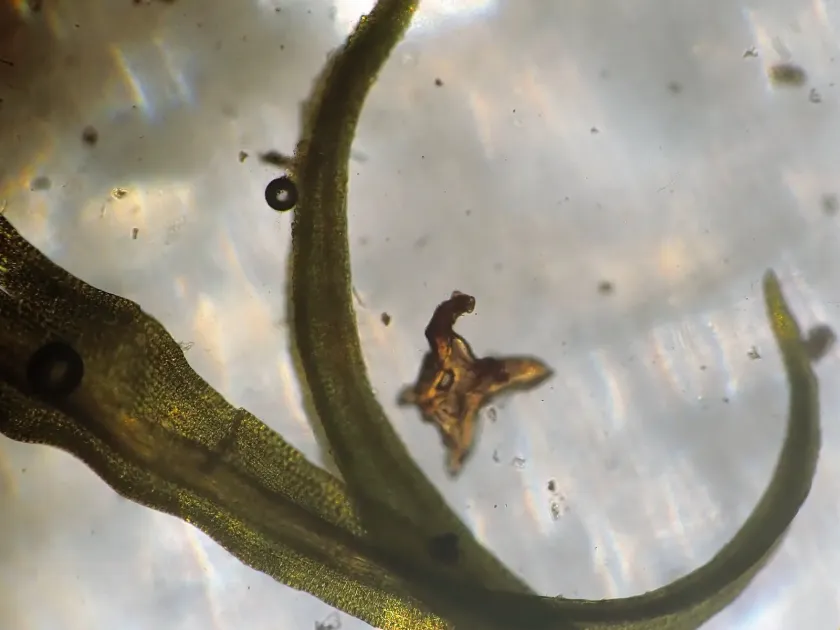
Description
Growing requirements
Trichostomum hibernicum is a species of moss within the Pottiaceae family. It is not an agricultural crop but a wild botanical organism primarily studied within the field of bryology for its specific habitat requirements.
The plant originates from coastal areas, predominantly found in Ireland and parts of the UK. It is strictly associated with calcareous substrates, such as limestone rocks or shallow mineral soils derived from calcareous parent materials.
Botanically, it forms dense tufts or cushions, which is a classic adaptation for moisture retention in exposed limestone habitats. The leaves are characteristically narrow and show distinct curling patterns when experiencing dry conditions.
Regarding climate, it requires high ambient humidity and temperate conditions, typical of Atlantic-influenced climates. It does not have any commercial cultivation protocols as it is a specialized wild plant protected by regional environmental guidelines.
The species serves as an indicator of ecological health in its niche habitats. Its presence suggests stable environmental conditions, particularly concerning air quality and the integrity of limestone ecosystems.
Main diseases and pests
The primary threat to Trichostomum hibernicum is the loss of specialized habitats due to land development and site degradation. The physical removal of limestone substrates causes irreversible damage to local populations.
Climate change poses a severe risk to the species through altered precipitation patterns. Prolonged droughts are detrimental because the species lacks complex vascular systems to draw water from deep soil layers.
Environmental pollution, specifically nitrogen deposition, negatively alters the soil chemistry in its habitats. This shift often favors more competitive, faster-growing plant species that displace the moss.
Human activities, such as intensive tourism and trampling, lead to mechanical fragmentation of the moss mats. Due to slow growth rates, these damaged areas do not regenerate quickly, leading to long-term decline.
The fragmentation of isolated populations creates bottlenecks, reducing the species' overall resilience to environmental shifts. Conservation efforts are currently focused on preserving the sites where the moss remains extant.