
Variable-leaved barbula
Trichostomum brachydontium
Description
Growing requirements
Trichostomum brachydontium, known as the variable-leaved barbula, is a species of moss belonging to the family Pottiaceae. It is a perennial bryophyte that occupies specific niches in diverse climatic zones across the globe.
The species primarily thrives in habitats with consistent moisture levels. It is frequently observed growing on calcareous rocks or soils rich in minerals, reflecting its preference for alkaline or neutral substrate pH values.
Temperature sensitivity is a critical factor for its growth. The moss favors sheltered areas where extreme fluctuations in temperature and direct exposure to intense sunlight are avoided to prevent desiccation of the gametophytes.
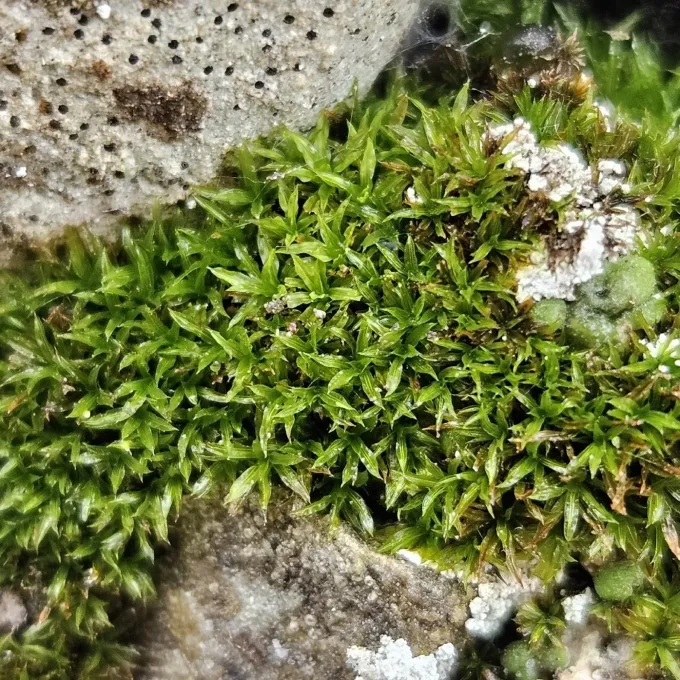
From a biological perspective, this plant forms compact mats that play a vital role in soil stability. These cushions serve as micro-habitats for various microorganisms and help in the retention of atmospheric humidity within the immediate environment.
While not categorized as a commercial crop in agriculture, Trichostomum brachydontium is significant in ecological restoration projects and botanical studies. Its presence is often used as a bio-indicator for environmental health and site-specific microclimates.