
Tortella tortuosa
Tortella tortuosa
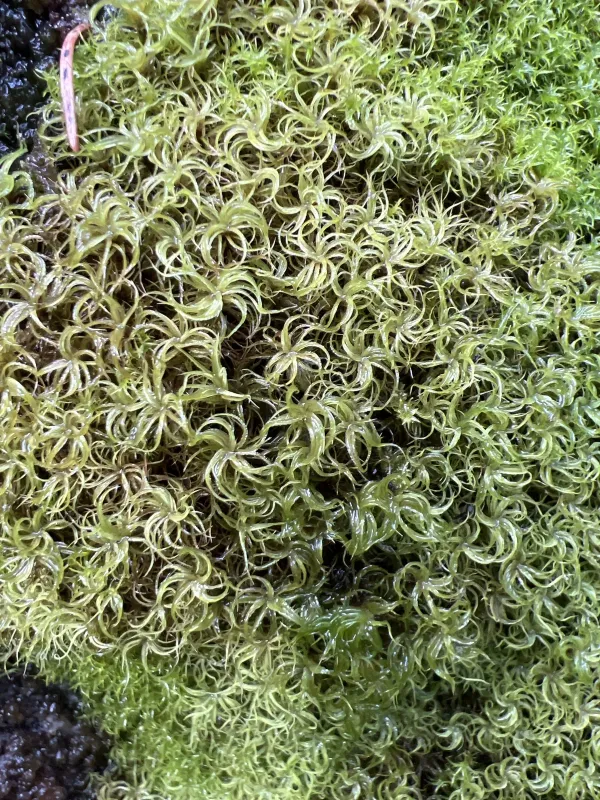
Description
Growing requirements
Tortella tortuosa is a perennial moss belonging to the Pottiaceae family. It is recognized by its dense, cushion-like growth and leaves that become characteristically twisted when dry, giving the plant its distinct appearance.
This species is widely distributed across the Northern Hemisphere, primarily inhabiting calcareous soils, limestone cliffs, and rock crevices. It acts as an indicator species for calcium-rich environments and thrives in alkaline substrates.
Regarding environmental conditions, the moss prefers sites with moderate sunlight and high humidity. It exhibits strong drought tolerance but requires a stable pH balance to maintain its structural integrity and growth vigor.
In terms of management, maintaining the chemical composition of the substrate is critical. Any acidification of the soil will inevitably lead to the decline of the population, as this species lacks the compensatory mechanisms to survive in acidic environments.
Beyond its ecological role, Tortella tortuosa is increasingly appreciated in specialized botanical landscaping for its ability to stabilize rocky slopes and provide a permanent green cover in nutrient-poor, carbonate-based soil conditions.
Main diseases and pests
The most significant threat to Tortella tortuosa populations is air pollution. Being a non-vascular plant, it absorbs nutrients and toxins directly from the atmosphere, making it highly susceptible to acid rain and nitrogen deposition.
Competition from higher plants represents another major challenge. As succession occurs and larger shrubs or grasses encroach on open rocky habitats, the moss is often shaded out and unable to compete for space and light.
Mechanical disturbance remains a threat in areas accessible to livestock or human recreational activities. Trampling destroys the delicate, slow-growing colonies, leading to fragmented patches that take years to recover.
While relatively resistant to common pests, excessive moisture coupled with poor drainage can foster fungal pathogens that cause rot in the deep layers of the moss mat, compromising the entire colony's health.
Global climatic shifts leading to erratic precipitation patterns pose a long-term risk, as the species relies on specific moisture regimes during its active growing season to successfully propagate through sporophyte development.