
Tortella densa
Tortella densa
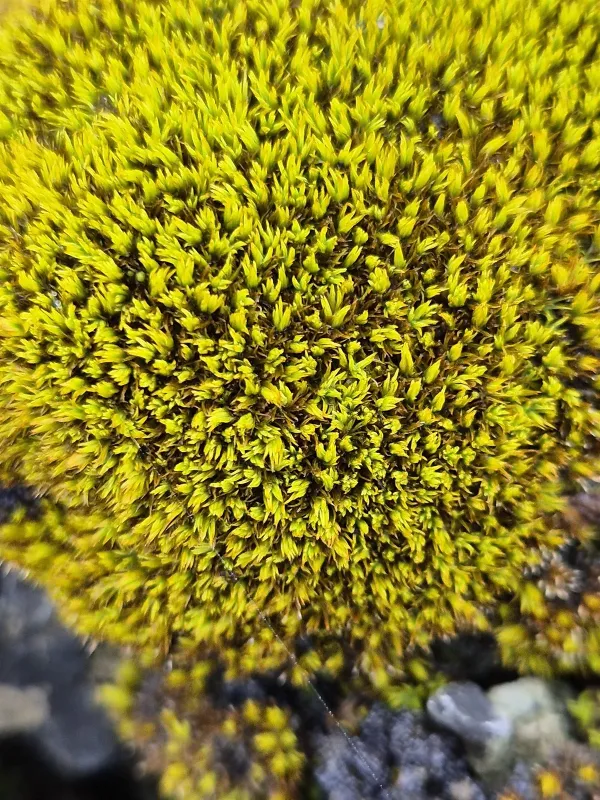
Description
Growing requirements
Tortella densa is a bryophyte species belonging to the Pottiaceae family. It is not an agricultural crop but is significant in botanical and ecological studies of natural habitats.
This moss species typically thrives in well-drained, lime-rich substrates. It is commonly found in areas where limestone or chalky soils predominate, providing the necessary mineral base.
The distribution of Tortella densa is linked to temperate climates, where it occupies niches such as rock crevices, mountain slopes, and open patches of stony soil.
Ecologically, this plant functions as a primary colonizer, helping to stabilize surface soil and maintain local moisture levels within its habitat, which is crucial for biodiversity.
Its physiological adaptation includes extreme desiccation tolerance, allowing the moss to survive prolonged drought periods without loss of structural integrity.
Main diseases and pests
The primary threats to Tortella densa include habitat destruction caused by human activities, such as mining, construction, and large-scale land development.
As an atmospheric bioindicator, the species is highly sensitive to air pollution, particularly sulfur dioxide levels, which interfere with its nutrient uptake process.
The encroachment of invasive plant species, often favored by soil eutrophication, presents a risk to the fragile balance of moss communities in their traditional ranges.
While direct pests are not documented as a major concern, micro-environmental disturbances like severe flooding or chemical spills can lead to localized extinction of the moss colonies.
Climate change, manifesting as long-term shifts in precipitation patterns, may also restrict the future availability of suitable moist micro-habitats for the species.