
Scopelophila cataractae
Scopelophila cataractae
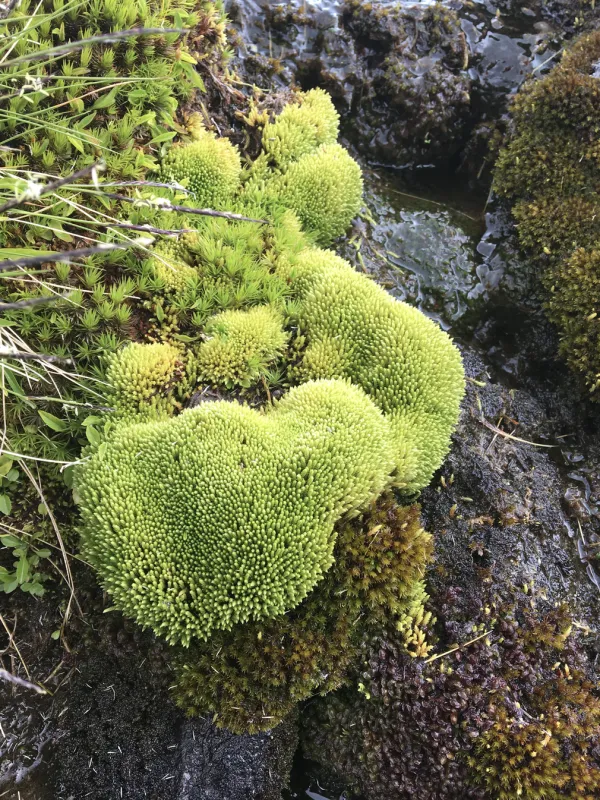
Description
Growing requirements
Scopelophila cataractae is a moss species belonging to the Pottiaceae family, known for its extreme metal tolerance. Unlike traditional crops, this species is defined by its specialized adaptation to environments heavily contaminated with copper and other heavy metals.
The distribution of this moss is closely linked to geological outcrops or man-made mining sites. It serves as a biological indicator, signaling the presence of specific mineral compositions that would prevent the growth of most botanical species.
The requirements for growth are unconventional: the plant thrives on mineral-rich substrates where soil development is minimal or entirely absent. It prefers locations with reliable moisture, often found in rocky crevices or slopes with acidic seepage.
Climatic factors are vital; the moss requires a consistent microclimate to prevent desiccation. It is not adapted to agricultural practices like tilling, fertilization, or irrigation with nutrient-rich water, as these can inhibit its specific metabolic pathways.
In terms of practical utility, Scopelophila cataractae is researched for phytoremediation potential. Its ability to sequester toxic ions allows for the stabilization of degraded lands and the evaluation of environmental contamination levels over time.
Main diseases and pests
The primary threat to Scopelophila cataractae is environmental remediation through traditional soil enrichment. When organic matter is added to improve soil quality, the competitive balance shifts in favor of vascular plants, leading to the moss's decline.
Shading represents a major limiting factor for this species. As a low-growing bryophyte, it requires consistent sunlight exposure. Successional changes in local vegetation that lead to canopy closure can cause local extinction of the moss colonies.
Water quality changes also pose a risk. If the acidic drainage from mine tailings is neutralized or diluted too significantly, the specific ecological niche occupied by this species is compromised.
While the plant is generally resistant to pathogens due to its metal-rich tissues, physical disturbances such as landslides, erosion, or heavy trampling can destroy established mats of the moss.
There are no significant pests or diseases that specifically target this plant in its native habitat. Its survival is dictated more by its chemical tolerances and abiotic environmental conditions than by biotic pressures.