
Wild rice
Zizania palustris
Description
Sowing dates
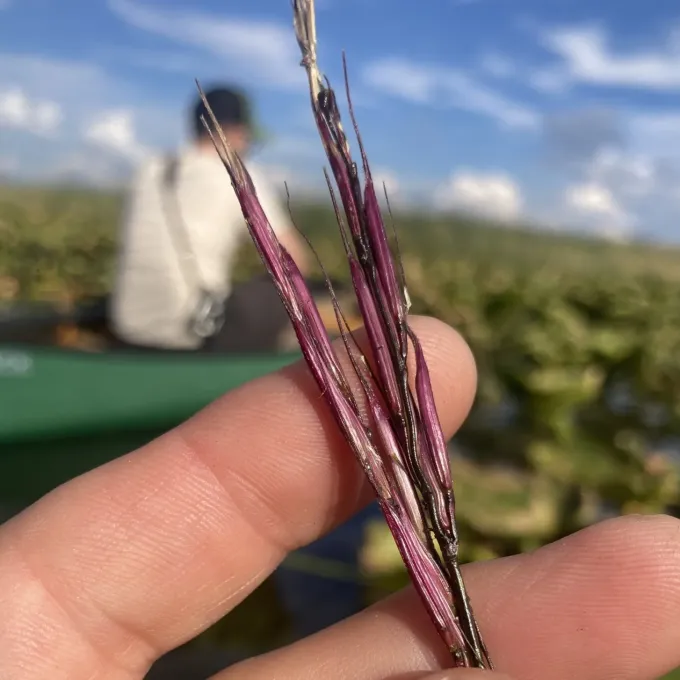
Wild rice, botanically known as Zizania palustris, is an annual aquatic grass belonging to the Poaceae family, native to the shallow water areas of North America.
In its natural habitat, the seeds fall into the water at the end of the season and undergo a cold stratification period in the sediment until the following spring.
For agricultural production, it is essential to store seeds in cool, moist conditions to maintain viability before sowing in early spring as ice melts.
Planting is typically done by scattering seeds over the water surface or into the mud, ensuring they reach a depth that promotes steady germination.
Proper water management during the early growth stages is crucial to ensure that seedlings have enough support and are not washed away by water currents.
Growing requirements
This crop thrives in slow-moving water or shallow wetlands with a soft, nutrient-rich, silty bottom that supports root development.
Water depth is a critical factor, with the ideal range being between 30 and 100 centimeters to maintain appropriate temperature and oxygen levels.
Wild rice requires substantial sunlight exposure to achieve full development, making it unsuitable for areas shaded by dense forest canopy or vegetation.
Water quality must be managed carefully, as the plants are sensitive to high levels of pollution, chemical runoff, or excessive salt concentrations.
Stability in water levels is necessary; significant fluctuations can stress the plants and potentially cause lodging, reducing the overall vigor of the crop.
Yield
The yield of wild rice is lower compared to domesticated rice varieties, often ranging from 200 to 500 kilograms per hectare depending on growing conditions.
Productivity is significantly affected by the uneven ripening of the seeds on the panicle, which is a natural survival strategy of the plant species.
Environmental factors during the flowering period, such as strong winds or excessive heat, can lead to reduced fertilization and lower grain output.
Advanced agricultural practices, such as controlling weed pressure and optimizing planting density, are key to maximizing the harvest in commercial paddies.
Ongoing research aims to develop varieties with improved shatter resistance, which would substantially increase the recoverable yield for producers.
Main diseases and pests
Migratory birds are the primary threat to wild rice production, often consuming large portions of the ripening grain before the farmer can harvest it.
Fungal diseases, including ergot (Claviceps), frequently attack the florets and can compromise both the quality and quantity of the total grain harvest.
Various aquatic insects and pests feed on the stems and leaves, potentially causing structural damage that weakens the plant's nutrient uptake abilities.
Excessive growth of competing aquatic vegetation, such as pondweeds, can deprive the crop of essential nutrients and sunlight during the growing season.
Extreme weather events, such as heavy thunderstorms, can flatten the stalks, making the plants difficult to access and causing premature seed loss.
Harvesting
Harvesting wild rice is a delicate procedure because the seeds detach easily from the stalks once they reach the stage of physiological maturity.
Traditional methods involve using specialized machines or canoes to gather the grain, often requiring multiple passes over the same field to capture the staggered ripening.
Once collected, the grain must be immediately processed, cleaned, and dried to prevent moisture-related issues such as mold or heat damage.
Processing includes parching, which hardens the grain and helps remove the husk while developing the characteristic nutty aroma of the final product.
Proper storage post-harvest involves cool, dry conditions to ensure the longevity of the grains and preserve their nutritional and culinary value for the market.