
Maize
Zea mays L. subsp. mays (Maize Group)
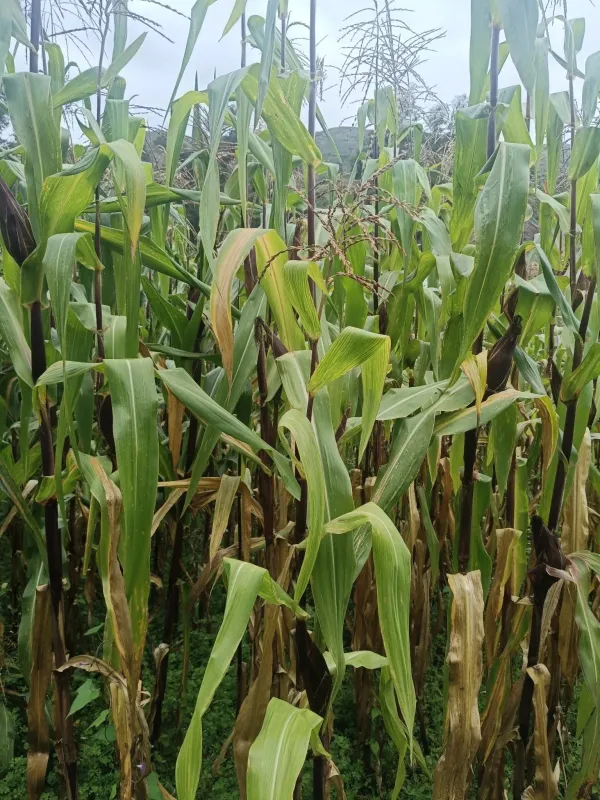
Description
Sowing dates
Maize is a warm-season crop, requiring soil temperatures to reach at least 10–12 °C (50–54 °F) at a 10 cm depth before planting can safely commence to ensure rapid germination.
Planting depth typically ranges from 5 to 8 cm, depending on the soil texture and available moisture levels to guarantee a uniform seedling emergence across the field.
Precision planters are essential for modern maize production, as they ensure consistent plant spacing and optimal seed-to-soil contact, which are critical for high-yield performance.
Planting density is adjusted based on hybrid characteristics and irrigation capacity, generally ranging from 50,000 to 90,000 plants per hectare for grain production.
Early sowing increases the risk of cold stress and reduced vigor, while late planting may expose the crop to heat and drought stress during the critical flowering stage.
Growing requirements
Maize (Zea mays L.), belonging to the Poaceae family, thrives in fertile, well-drained soils with a pH ranging from 6.0 to 7.0, preferring structural silt or sandy loam soils.
The crop has a high water demand during the vegetative stage, but the most critical period occurs two weeks before and after silking, where drought can severely limit kernel set.
Maize requires high levels of nitrogen, phosphorus, and potassium, which should be applied based on precise soil tests to support the rapid biomass development of the plant.
Adequate sunlight and growing degree days are essential for maize development; it is a C4 plant, meaning it is highly efficient at photosynthesis under high-temperature conditions.
Good agronomic practices, including conservation tillage and cover cropping, help maintain soil structure, improve water infiltration, and reduce overall erosion on sloping fields.
Yield
Global maize yields have seen significant improvements due to hybrid technology and intensive management, with elite fields often achieving 12–16 metric tons per hectare.
The yield of silage maize is measured by the total biomass per hectare, focusing on high energy density and digestible fiber content, which is vital for efficient livestock feeding.
Optimizing plant population, precise nutrient management, and effective weed control are the primary drivers of increased yield consistency year over year.
Stress factors such as excessive heat, limited rainfall, or nutrient deficiencies during the grain-fill stage can lead to substantial reductions in potential kernel weight.
Utilizing high-yielding hybrids and site-specific management strategies allows producers to maximize their return on investment even in varying environmental conditions.
Main diseases and pests
The European corn borer is a primary pest that tunnels into stems and ears, creating pathways for fungal infection and leading to significant harvest losses.
Corn rootworms are a major threat to the root system, causing plant lodging and reducing the uptake of water and essential nutrients from the soil.
Diseases like Fusarium ear rot and Common smut can degrade grain quality, making disease-resistant hybrids and proper crop rotation essential management tools.
Integrated Pest Management (IPM) strategies, including biological control, insecticide-treated seeds, and scouting, are necessary to mitigate the impact of these threats.
- European corn borer (Ostrinia nubilalis)
- Western corn rootworm (Diabrotica virgifera)
- Common smut (Ustilago maydis)
- Fusarium ear rot (Fusarium verticillioides)
Harvesting
Harvesting for grain should occur when moisture levels drop to 25–30%, allowing for efficient threshing while reducing the energy costs required for mechanical drying.
For silage, the ideal harvest window is at the 1/2 to 2/3 milk-line stage, ensuring an optimal balance of starch and moisture for high-quality fermentation in the silo.
Proper combine settings are necessary to minimize grain damage and field losses, ensuring that the final harvested volume reflects the potential of the growing season.
Post-harvest handling, including cleaning and rapid drying to 14% moisture, is vital to prevent mycotoxin development and ensure safe long-term storage.
Efficiency in logistics and harvest timing helps capture the highest market value and ensures the crop quality remains high throughout the entire supply chain.