
Palisade grass
Urochloa brizantha (Hochst. ex A. Rich.) R. D. Webster
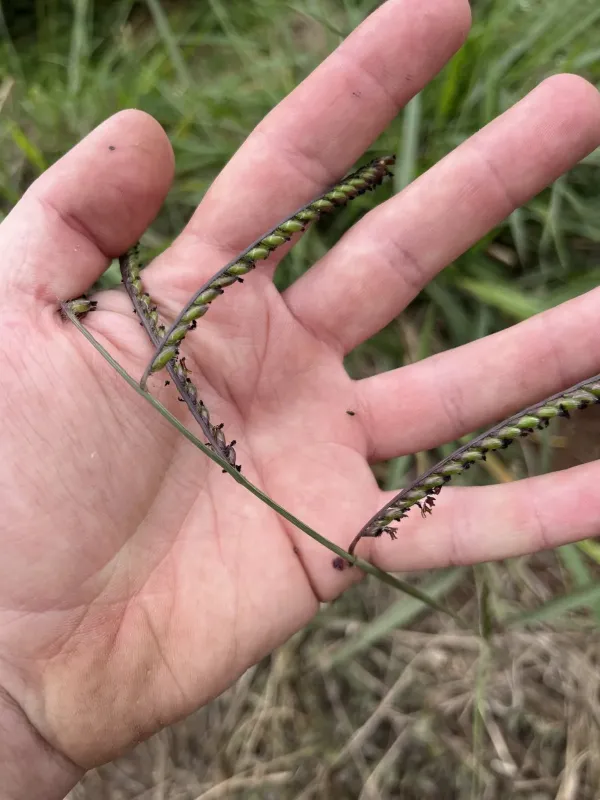
Description
Sowing dates
Sowing Palisade grass is ideally timed with the beginning of the rainy season, ensuring the soil has sufficient moisture and warmth for optimal germination.
The seeding rate typically ranges from 3 to 6 kg per hectare, depending on the purity and germination percentage of the seeds used in the operation.
Placement of seeds at a depth of 1–2 cm is crucial, as deeper planting often leads to poor emergence due to the small size of the grass seeds.
It is recommended to use specialized grain drills or broadcasting followed by light harrowing to improve seed-to-soil contact for more uniform establishment.
During the early stages, suppressing competing weeds is essential, as Palisade grass exhibits a relatively slow initial growth rate until the root system develops.
Growing requirements
Palisade grass, scientifically known as Urochloa brizantha, is a perennial grass species belonging to the Poaceae family, widely used as tropical forage.
It is highly valued for its adaptability, thriving in a variety of soil types, including acidic and low-fertility soils that are common in tropical landscapes.
The plant demonstrates excellent drought tolerance, maintaining productivity even during extended dry spells, which makes it a reliable source of green fodder.
While it prefers well-drained loamy soils, it has a high tolerance for varying environmental conditions and can grow in regions with distinct seasonal rainfall patterns.
Strategic fertilization, specifically with nitrogen, is highly beneficial in maintaining high levels of dry matter production throughout the growing season.
Yield
Under optimal management, Palisade grass can produce yields of 15 to 30 tons of green matter per hectare annually, providing a robust feed base for livestock.
The dry matter yield typically ranges from 8 to 15 tons per hectare, offering high nutritional value when managed through appropriate grazing intervals.
Regular rotational grazing is recommended to maximize yield, as it allows the plants to recover and promotes vigorous regrowth after each grazing cycle.
The nutritional value, including protein content, remains relatively stable throughout the wet season, supporting good weight gain in grazing cattle.
Sustainable productivity is maintained by preventing overgrazing, which helps the grass maintain a strong root system and lasting ground cover.
Main diseases and pests
Spittlebugs represent the most significant pest threat to Palisade grass, causing damage to the stem and leaves by sucking plant sap and reducing forage quality.
Fungal diseases, such as leaf spot, may appear during periods of high humidity and poor aeration within the canopy, leading to reduced vigor in affected stands.
Fungal pathogen management is primarily achieved through maintaining healthy plant stands and avoiding excessively high stocking densities on the pasture.
Monitoring for insect infestations is crucial, and integrated pest management (IPM) strategies, including biological control agents, are often employed.
Proper pasture rotation helps disrupt the life cycle of many pests, ensuring the longevity and health of the grass crop over several years.