
Tall wheatgrass
Thinopyrum ponticum (Podp.) Barkworth & D. R. Dewey
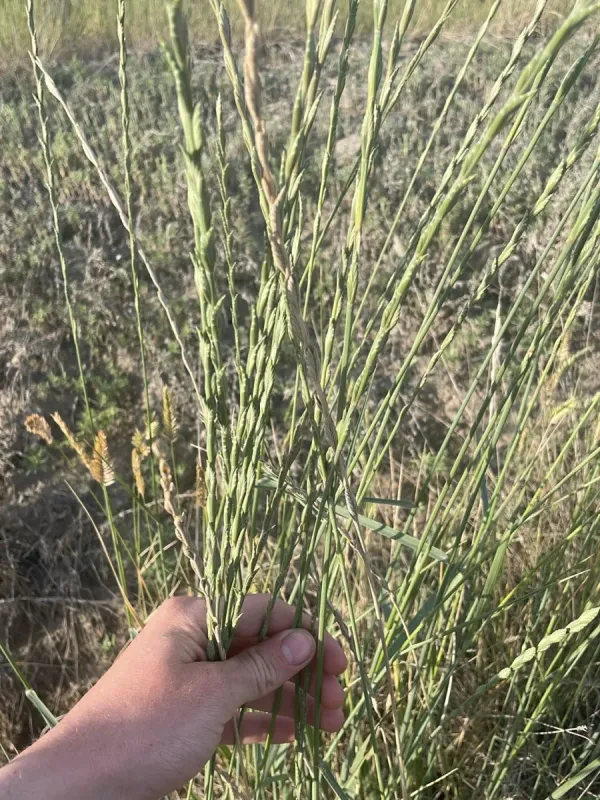
Description
Sowing dates
Tall wheatgrass is typically sown in early spring as soon as soil temperatures reach 8–10 degrees Celsius, ensuring rapid germination and establishment. In regions with reliable rainfall, autumn sowing can also be successful, utilizing winter moisture for early spring growth.
The recommended seeding rate is between 12 and 18 kilograms per hectare, depending on soil type and the chosen method of planting. Seeds should be buried at a shallow depth of 2–3 cm, as this ensures optimal access to moisture while allowing seedlings to reach the surface quickly.
Establishment in the first year is relatively slow, requiring careful weed control to ensure the crop is not outcompeted. Using a cover crop in the first season is often recommended to protect the young seedlings and create a more favorable environment for root development.
After seeding, rolling the field is essential to ensure proper seed-to-soil contact, which significantly improves germination rates. This step is particularly important in drier climates, where maximizing the use of existing soil water is critical for successful crop establishment.
Site preparation should involve deep tillage to improve soil structure and moisture infiltration. Selecting fields free of persistent perennial weeds will provide the tall wheatgrass with a clean start, ensuring the stand remains productive for over a decade of continuous use.
Growing requirements
Thinopyrum ponticum belongs to the Poaceae family and is highly regarded for its exceptional hardiness and adaptability. It is specifically valued for its ability to thrive in saline and sodic soils, making it an excellent candidate for reclaiming land that is otherwise unproductive.
The plant possesses a deep and vigorous root system, which allows it to access water deep within the soil profile. This feature makes it highly drought-tolerant, enabling the crop to maintain production during the hot, dry summers typical of its native Mediterranean and Asian environments.
Tall wheatgrass is undemanding regarding climatic conditions, showing great resilience to both extreme temperature fluctuations and seasonal drought. Its ability to grow in varied environments makes it a vital tool for preventing soil erosion and improving overall land stability in harsh regions.
The species demonstrates significant tolerance to high concentrations of sulfates and chlorides in the soil solution. By utilizing areas that are too salty for conventional crops, farmers can increase their total productive land area and develop reliable forage sources in difficult terrains.
Optimal growth requires good light exposure, so the plant performs best in open fields. While it is incredibly hardy, it does not tolerate waterlogged conditions or extended periods of standing water; therefore, well-drained sites are preferred to maintain high plant health.
Yield
Annual forage yields for tall wheatgrass typically range from 15 to 40 tonnes of green matter per hectare, depending on nutrient availability and soil conditions. With proper management and adequate moisture, yields can remain consistently high across multiple cuttings each season.
The crop is also a reliable seed producer, allowing farmers to maintain their own supply of planting material. In good years, seed yields can reach 400–600 kg per hectare, providing a cost-effective way to expand pastures or reseed older, less productive areas of the farm.
Stands can remain productive for 10 to 15 years, offering long-term stability for livestock enterprises. Its ability to regrow rapidly after harvest ensures multiple cuts or extended grazing periods, which are essential for maintaining high efficiency in intensive agricultural systems.
The nutritional profile of hay made from tall wheatgrass is well-suited for ruminant livestock. When harvested at the right time, it provides a valuable source of protein, fiber, and energy, making it an essential component of winter diets for cattle and sheep populations.
Flexibility is a key advantage, as tall wheatgrass is suitable for hay, silage, and deferred grazing. This allows producers to adapt their harvesting methods to changing weather conditions, ensuring that high-quality feed is available even in years when environmental conditions are unfavorable.
Main diseases and pests
Tall wheatgrass possesses strong natural resistance to many common cereal pathogens, which helps to minimize the need for chemical disease management. However, in conditions of extreme humidity or poor airflow, rust diseases can occasionally affect the foliage, requiring active monitoring.
Insects such as grass flies may pose minor threats to the establishment of young stands, though they rarely cause significant economic damage in mature fields. Regular field inspections during the early stages of growth allow farmers to identify and address any pest issues promptly.
Maintaining a healthy, well-managed stand is the best defense against pests and diseases. Proper rotation and avoiding overly early or frequent cutting help keep the plant population robust and resilient, significantly reducing the impact of any potential insect infestations.
When selecting seed, growers should prioritize certified, disease-resistant varieties. This reduces the risk of introducing pathogens into the field and ensures the highest possible crop vigor throughout the lifespan of the pasture, protecting the long-term investment in the stand.
While chemical interventions are rarely necessary, they should only be used as a last resort in accordance with integrated pest management principles. The focus should remain on cultural practices that boost the plant's own immunity and suppress potential environmental stressors.
Harvesting
The ideal time to harvest tall wheatgrass for hay is at the late boot or early heading stage, before the stalks become too coarse. Harvesting at this point ensures the highest nutritional value and maximizes the palatability of the forage for livestock consumption.
Seed harvesting should be timed for full maturity, when the seed heads show a characteristic straw-colored appearance. Specialized harvesting equipment should be used to ensure that grain loss is kept to a minimum during the threshing and collection process in the field.
Mechanical conditioning of the forage during cutting is highly recommended to speed up the drying process. By crushing the stems, moisture evaporates more quickly, significantly reducing the risk of mold and spoilage while the hay is curing in the field under varying weather conditions.
For silage production, the crop should be harvested while still succulent to ensure optimal fermentation in the silo. Proper compaction and sealing are crucial to eliminate oxygen and promote the activity of lactic acid bacteria, which preserves the quality of the silage for long-term storage.
After the harvest, light harrowing helps remove dead organic matter and stimulates new growth from the base. This simple post-harvest maintenance practice keeps the stand healthy, ensures high biomass production in the following season, and extends the overall economic utility of the grass.