
Poverty dropseed
Sporobolus vaginiflorus
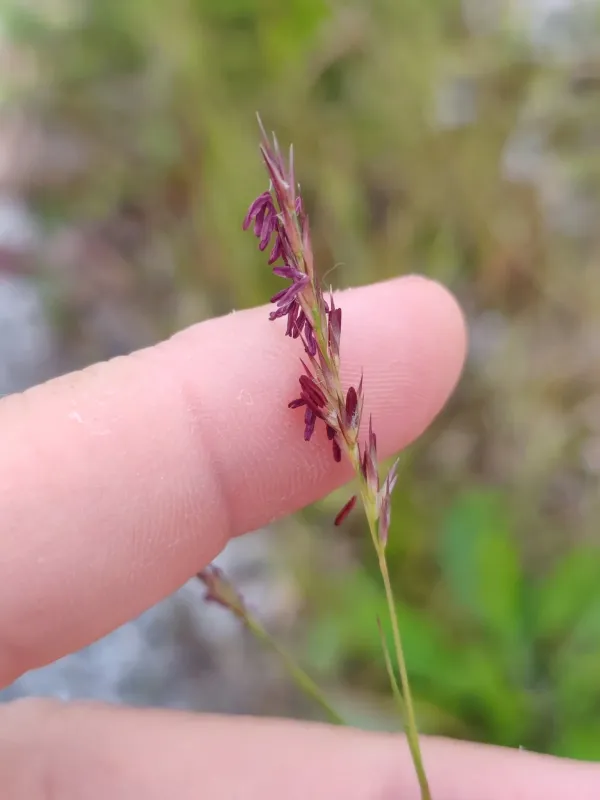
Description
Sowing dates
Poverty dropseed is an annual grass species typically sown during the early spring months when soil temperatures consistently reach optimal germination levels.
The seeds require a shallow planting depth, ideally around 0.5 to 1 centimeter, to ensure they can penetrate the soil surface efficiently.
Proper seedbed preparation, including light rolling or compaction, is essential to establish good soil-to-seed contact and improve germination rates.
Seeding rates should be adjusted based on the specific end-use, whether it be for restoration, forage production, or ground cover management.
Providing adequate spacing between rows helps in reducing initial competition from weeds and allows the crop to establish a robust root system early on.
Growing requirements
Belonging to the Poaceae family, this species is well-known for its ability to thrive in poor, sandy, and nutrient-deficient soil conditions.
It acts as a xerophyte, showing remarkable tolerance to prolonged drought stress and fluctuating moisture levels throughout the growing season.
Poverty dropseed requires full sun exposure and generally performs poorly when overshadowed by taller vegetation or invasive weed species.
The grass is quite adaptable to various soil pH levels, making it a versatile choice for marginal lands where other crops may struggle to grow.
Consistent environmental conditions such as good drainage and open, airy sites significantly promote the health and vigor of the plant population.
Yield
The biomass yield of Poverty dropseed is influenced primarily by soil fertility levels and the availability of precipitation during the growth cycle.
While not categorized as a high-production forage crop, it provides reliable biomass in environments where high-input grasses often fail.
Strategic applications of nitrogen-based fertilizers can effectively boost the nutritional quality and overall bulk of the green forage produced.
Farmers often assess yield based on the total dry matter production, which peaks just prior to the plant reaching its reproductive maturity stage.
Integrating this grass into forage systems can help stabilize production levels during dry periods when more sensitive grass species undergo stress.
Main diseases and pests
The species exhibits a natural level of resistance to most common cereal and grass pathogens, contributing to its low-maintenance profile.
Root rot diseases may occasionally occur in excessively waterlogged soils, which is why maintaining proper field drainage is a critical preventive measure.
Insect pests such as aphids or grass-feeding caterpillars generally cause only minor damage and rarely reach threshold levels requiring chemical intervention.
Weed competition during the early seedling stage remains the most significant threat to the successful establishment of a dense, healthy stand.
Integrated pest management strategies focusing on cultural practices, such as proper crop rotation, are usually sufficient to mitigate potential threats.
Harvesting
For high-quality forage, the harvesting process should be timed to coincide with the pre-flowering stage when nutrient density is at its peak.
The use of standard haying equipment is suitable for processing the crop, provided that the drying process is managed to retain forage quality.
Seed harvesting requires careful timing, as the seeds have a tendency to shatter easily once they reach full maturity in the field.
Using a combine harvester with precise settings can minimize loss during the seed collection process and ensure a cleaner harvested product.
Effective storage after harvest, including monitoring moisture content, is necessary to ensure the preservation of feed value for future livestock use.