
Sporobolus pyramidalis
Sporobolus pyramidalis
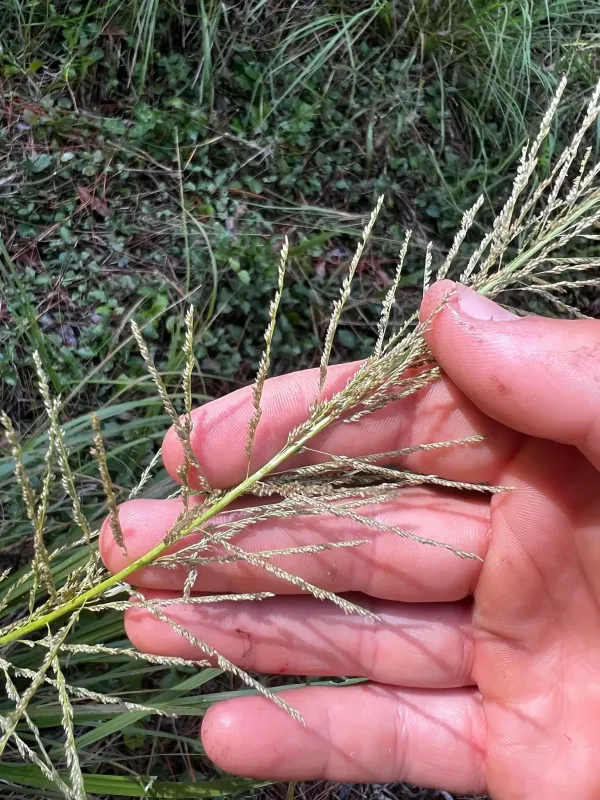
Description
Growing requirements
Sporobolus pyramidalis, commonly known as giant rat's tail grass, is a perennial grass species belonging to the Poaceae family. It is native to tropical Africa and has been introduced to various parts of the world as a forage crop.
The plant grows in dense tussocks with stems reaching up to 150 cm in height. Its leaves are narrow, rigid, and often rough to the touch, which helps the grass survive in harsh environmental conditions.
It thrives in a wide range of soil types, including those with low nutrient content. While it prefers well-drained loamy soils, it exhibits remarkable tolerance to compacted and poor-quality substrates.
Climatic adaptability is one of its core strengths. Sporobolus pyramidalis is highly resistant to drought and can survive in areas with fluctuating seasonal rainfall patterns.
Cultivation requires careful management of grazing intensity. Because the grass can become unpalatable as it matures, regular mowing or controlled grazing is necessary to maintain the quality of the stand.
Yield
The primary use of Sporobolus pyramidalis is as pasture grass for livestock. When managed correctly, it provides a reliable source of green biomass for cattle and other ruminants.
Yield levels depend heavily on soil fertility and moisture availability. In optimized systems, the grass supports multiple cuttings per season, contributing to stable feed production.
Due to its deep root system, the plant serves an ecological function by preventing soil erosion. This dual role—as a forage crop and a soil stabilizer—makes it valuable for land reclamation.
Nutritional value peaks during the early vegetative phase. Livestock producers aim to harvest the grass before the seed heads develop to ensure maximum protein content and digestibility.
Its persistence as a perennial species reduces the need for annual reseeding, offering significant long-term economic benefits to agricultural operations in tropical and subtropical regions.
Main diseases and pests
Fungal pathogens represent the most significant threat to the health of the crop. Rust diseases can rapidly spread across the leaves, causing chlorosis and a decrease in photosynthetic efficiency.
Insect pests, particularly aphids and leafhoppers, can cause direct damage by feeding on plant sap. Such infestations often facilitate the secondary transmission of viruses.
Soil-dwelling insects, such as wireworms and white grubs, often attack the roots of young plants. This can lead to patchy growth and a reduction in the overall density of the grassland.
Invasive weed competition is particularly detrimental during the establishment phase. Farmers must prioritize weed control strategies to ensure the crop gains a competitive advantage.
Regular monitoring of the fields for early signs of disease and pest outbreaks is crucial for sustainable management and maintaining high-quality forage yields.