
Sporobolus piliferus
Sporobolus piliferus
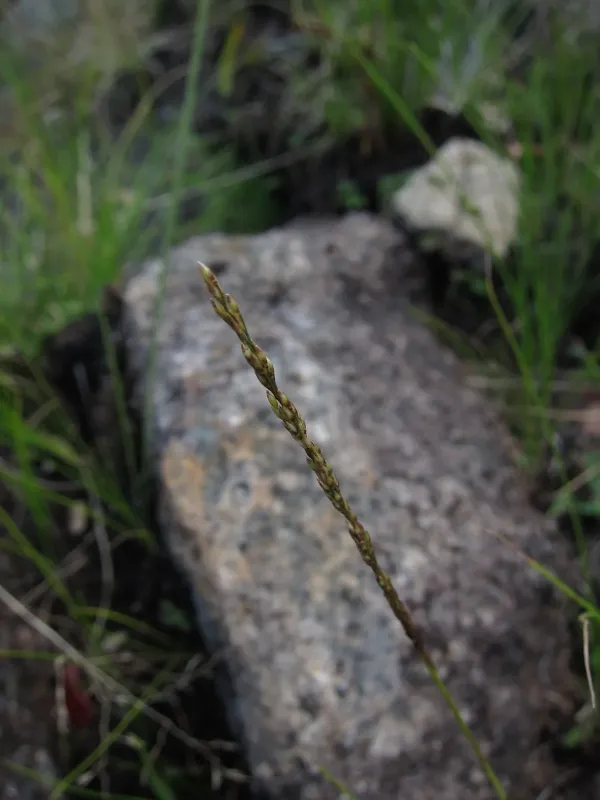
Description
Sowing dates
Sporobolus piliferus is a resilient perennial grass belonging to the Poaceae family. It is typically propagated through seeds, which are sown when soil temperatures reach stable warm levels in the spring.
Successful establishment depends on uniform seed placement at a shallow depth, ensuring good soil-to-seed contact and preventing seed displacement by wind or rain.
Early growth stages are characterized by a slow development rate, requiring the field to be kept free from competitive weeds to allow the plants to establish a firm root system.
The seeding rate is determined based on the target density, with lower rates being sufficient due to the grass's tendency to spread over time through vegetative expansion.
Applying a light mulch or utilizing specialized drill equipment can help improve germination rates and stabilize the soil surface during the establishment phase.
Growing requirements
This species is highly adaptable to a variety of soil types, showing exceptional performance on sandy, rocky, or nutrient-poor soils where other crops fail.
Sunlight is critical for its health; it demands full exposure and performs poorly under the shade of trees or in dense, overgrown areas.
While tolerant to periods of dry weather, the plant requires consistent moisture during the initial growth cycle to ensure deep root penetration.
It prefers neutral to slightly acidic pH levels but is capable of surviving in various chemical environments due to its hardy physiological nature.
Adequate soil aeration is essential, as the species does not thrive in compacted, waterlogged conditions which inhibit the necessary gas exchange for the roots.
Yield
The biomass productivity of Sporobolus piliferus is reliable, making it an excellent candidate for permanent pasture systems or soil stabilization projects.
When managed as a hay crop, timing the harvest before the grass becomes too lignified is crucial for maximizing the nutritional value for livestock feed.
The plant exhibits a remarkable ability to regrow after grazing or harvesting, provided the recovery period allows for sufficient nutrient storage in the roots.
By implementing rotational grazing, farmers can increase the overall output of the land while maintaining the vitality of the grass stand for several years.
The nutritional profile makes it a valuable component in integrated forage programs, offering consistent energy levels for various types of grazing animals.
Main diseases and pests
Disease management focuses primarily on preventing fungal infections caused by high humidity and stagnant air circulation within the canopy.
Pests such as aphids and various grass-feeding larvae can cause localized damage, particularly during periods of environmental stress that weaken the plant.
Maintaining proper field hygiene and avoiding overgrazing are the most effective ways to prevent the buildup of pathogens and maintain a healthy crop.
- Fungal leaf spots during wet conditions.
- Root rot pathogens exacerbated by waterlogging.
- Infestations of leaf-chewing insects.
Integrated pest management practices, including regular monitoring and field inspection, allow for proactive intervention before threats impact the total yield significantly.