
Sporobolus paniculatus
Sporobolus paniculatus
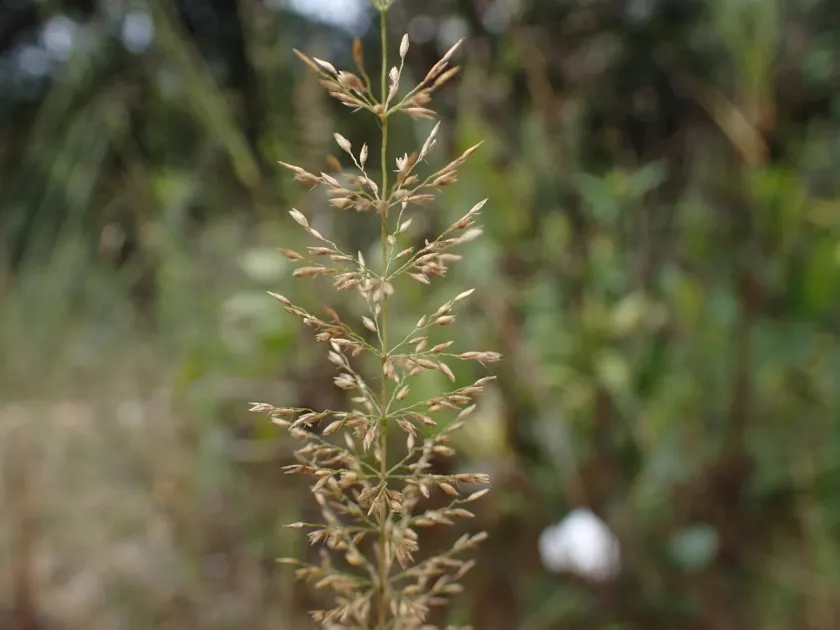
Description
Sowing dates
Sowing of Sporobolus paniculatus is best performed in the spring when soil temperatures stabilize between 10 and 12 degrees Celsius. Ensuring the right soil temperature is essential for uniform germination and the development of a robust root system.
It is crucial to prepare the seedbed thoroughly by eliminating perennial weeds, as the young seedlings are vulnerable to competition during their early growth stages. Proper soil cultivation significantly improves the establishment of the crop.
The seeds should be sown at a shallow depth, not exceeding 1–2 centimeters, using standard row-seeding techniques. Post-sowing compaction is a vital step to ensure good soil-to-seed contact, which facilitates moisture uptake.
In arid regions, early sowing is recommended to leverage residual soil moisture from snowmelt or winter rains. Consistent soil moisture during the first few weeks is key to forming a dense and productive stand.
Seeding rates typically range from 8 to 12 kilograms per hectare, depending on local conditions and the intended density of the forage. Maintaining appropriate spacing allows for optimal airflow and reduces the risk of fungal diseases.
Growing requirements
Sporobolus paniculatus belongs to the Poaceae family and is recognized for its remarkable adaptability to various soil types and climates. It thrives in well-drained soils and exhibits significant tolerance to heat and dry periods.
The species prefers full sunlight, as shade negatively impacts its biomass production and overall vitality. Its ability to grow in poor soils makes it an excellent candidate for agricultural land that might not support more demanding crops.
Adequate soil drainage is essential for the health of the plant, as waterlogging can damage the root system. While it is hardy, moderate fertilization with nitrogen during the active growth phase can boost vegetative mass significantly.
The extensive fibrous root system of this grass plays a vital role in preventing soil erosion. This makes it an ideal choice for planting on slopes or in areas prone to degradation, providing both agricultural utility and soil protection.
Routine agronomic care involves maintaining soil fertility and occasionally clearing invasive species to ensure the longevity of the stand. With proper management, the crop can remain productive for several years without the need for reseeding.
Main diseases and pests
Fungal pathogens, such as rust and leaf spot, are the most common threats, especially during periods of high humidity. These diseases can diminish the quality of the foliage, making regular field monitoring essential.
Pests like cereal flies and various species of aphids can cause damage to tender shoots. Early detection and the application of targeted insecticides are recommended to prevent significant yield losses across the planting area.
Soil compaction caused by heavy machinery can weaken the plant and encourage root rot. Implementing controlled traffic patterns within the field is a simple yet effective way to protect the crop's health over time.
Biological resilience is a hallmark of this species, but it should not be taken for granted. Integrating crop rotation and using certified seeds are basic but effective practices for maintaining a healthy and disease-free population.
Weed management should focus on early-stage mechanical control to avoid the use of harsh chemicals. If chemical intervention is necessary, select products that are specific to forage grass crops to minimize environmental impact.