
Sporobolus panicoides
Sporobolus panicoides
Description
Growing requirements
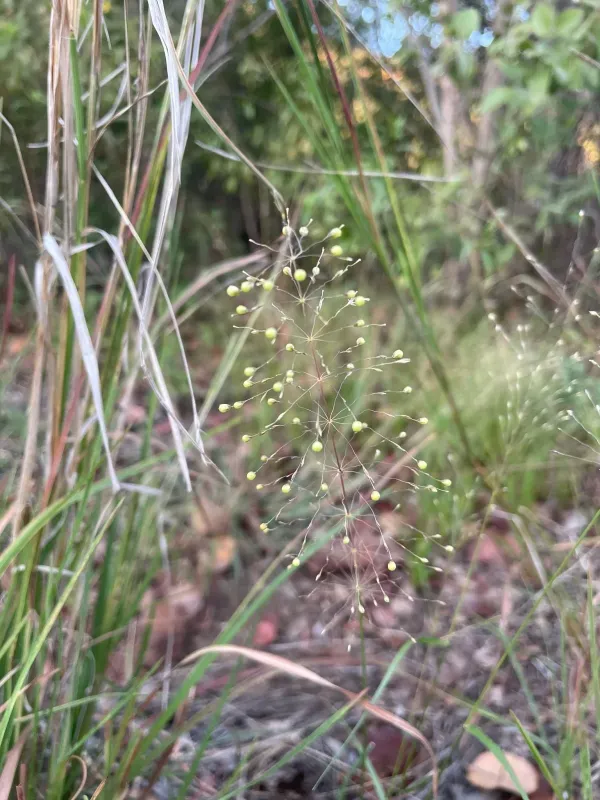
Sporobolus panicoides is a perennial grass species belonging to the Poaceae family. Known for its robust growth habit, this grass forms dense tufts that make it an excellent candidate for permanent pasture restoration in subtropical regions.
Originating from the African continent, this species is highly specialized for savanna ecosystems. It thrives in environments where seasonal drought is a recurring stress factor, allowing it to remain green when other forage crops might struggle.
In terms of soil requirements, it performs best on well-drained, sandy to loamy substrates. It shows a high tolerance for varying fertility levels but benefits significantly from basic nitrogen fertilization during the peak growth season to boost biomass production.
Agricultural management should prioritize maintaining a balance between grazing intensity and plant recovery. Overgrazing can weaken the root system, so rotational grazing practices are recommended to ensure the longevity of the stand.
The primary utility of this crop is livestock forage. It provides high-quality grazing material and can also be harvested for hay, provided the cutting occurs before the seed-head matures to maintain optimal protein levels.
Main diseases and pests
While generally hardy, Sporobolus panicoides is susceptible to fungal diseases such as leaf rust, especially in areas with high humidity or poor air circulation within the canopy.
Pests such as grasshoppers and various species of locusts represent a significant threat to leaf health, as these insects can quickly defoliate large sections of a pasture if populations are not managed.
Soil-borne pests like larvae of certain beetles can damage the root zones. Maintaining healthy plant vigor through appropriate soil management is the best defense against root-feeding insects.
Effective management includes implementing a strategic monitoring program to detect the early arrival of pests, allowing for targeted control rather than broad-spectrum application.
Proper field hygiene, including the removal of infected debris and the promotion of diverse plant species, can also help mitigate the impact of specific crop pathogens in larger agricultural settings.