
Sporobolus nervosus
Sporobolus nervosus
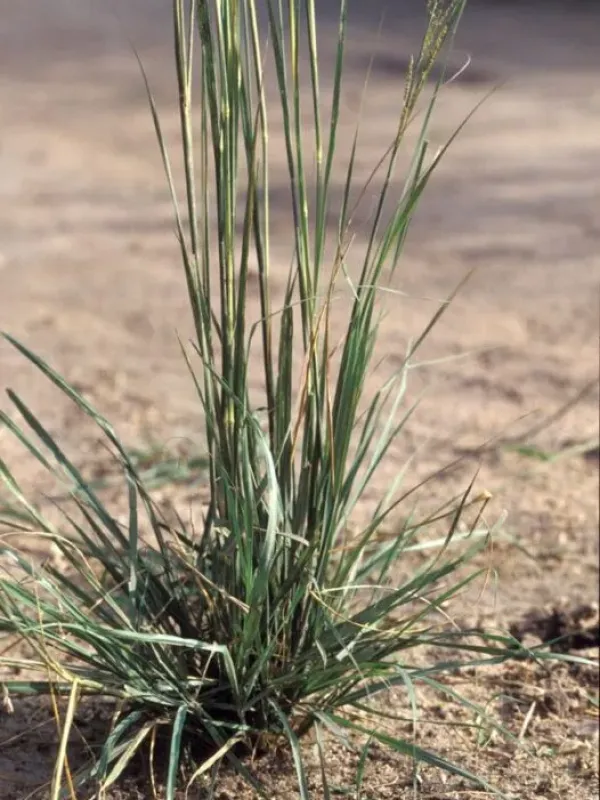
Description
Sowing dates
Sporobolus nervosus is a perennial grass species that typically establishes well when sown during the early spring months as temperatures begin to rise consistently.
Due to the small size of the seeds, shallow sowing is mandatory, ideally at a depth of no more than 1–2 centimeters, ensuring a firm seedbed is prepared beforehand.
In arid climates, timing the planting phase with seasonal rainfall is critical to ensure enough soil moisture is available for the germination and emergence process.
The seeding rate must be precisely calibrated to avoid overcrowding, as this species develops a robust root system and spreads over time through natural tillering.
Post-sowing compaction using a roller is a recommended agricultural practice to guarantee excellent seed-to-soil contact, significantly improving overall emergence rates.
Growing requirements
This grass species is highly valued for its exceptional adaptability, thriving in harsh environments including high-salinity soils and areas prone to severe drought.
Sporobolus nervosus requires full sunlight exposure and performs poorly in shaded areas, making it ideal for open, semi-arid pastures and neglected landscapes.
While it is relatively undemanding regarding soil fertility, it prefers well-drained, sandy or loamy soils where it can express its deep-rooted drought tolerance.
It is remarkably resistant to various abiotic stresses, allowing it to maintain vegetative cover in regions where other forage crops might fail to survive.
Minimal fertilization is required, although strategic application of phosphorus can encourage deeper root growth and improve long-term biomass stability in agricultural settings.
Yield
The total yield of Sporobolus nervosus is highly dependent on environmental management, specifically grazing rotation and the availability of supplemental water if provided.
Biomass production is generally stable across years, as the deep root system allows the plant to tap into deep soil moisture reserves during dry periods.
Grazing management is crucial; preventing overgrazing is the most effective way to ensure high annual yields and maintain a healthy, vigorous stand of grass.
When managed properly as a forage crop, it provides a reliable source of grazing material, particularly during mid-to-late summer when cool-season grasses often go dormant.
Quality decreases as the plant matures, so timely harvesting or grazing is essential to maximize the nutritional value available to livestock throughout the growing season.
Main diseases and pests
Sporobolus nervosus exhibits high natural resistance to many common fungal and bacterial diseases, making it a reliable and low-input forage option for farmers.
While generally robust, in extremely humid conditions or during periods of excessive rainfall, leaf rust may occur, although it rarely causes catastrophic damage.
Insect pests are typically not a major threat to mature stands, though seedling emergence may be sensitive to soil-dwelling insects in some specific locations.
The primary threat to the sustainability of the stand is competition from invasive weeds or aggressive woody plants if the initial establishment is not properly managed.
Good pasture maintenance, including clearing out invasive species and preventing soil compaction, remains the most effective defense against potential plant health issues.
Harvesting
For high-quality hay, the crop should be harvested before the inflorescences fully mature, as this ensures the best balance of protein and total digestible nutrients.
Seed harvesting requires precision, as the tiny grains can shatter easily; direct combining at the correct stage of maturity is necessary to prevent significant yield losses.
The cutting height is an important factor; leaving a sufficient amount of stubble allows for faster regrowth and protects the crown of the plant from environmental stress.
Harvested forage should be cured thoroughly to ensure moisture levels are low enough to prevent spoilage during long-term storage in bales or stacks.
Effective storage practices include keeping the harvested material dry and protected from elements, which helps preserve the quality of the biomass for winter use.