
Sporobolus neglectus
Sporobolus neglectus
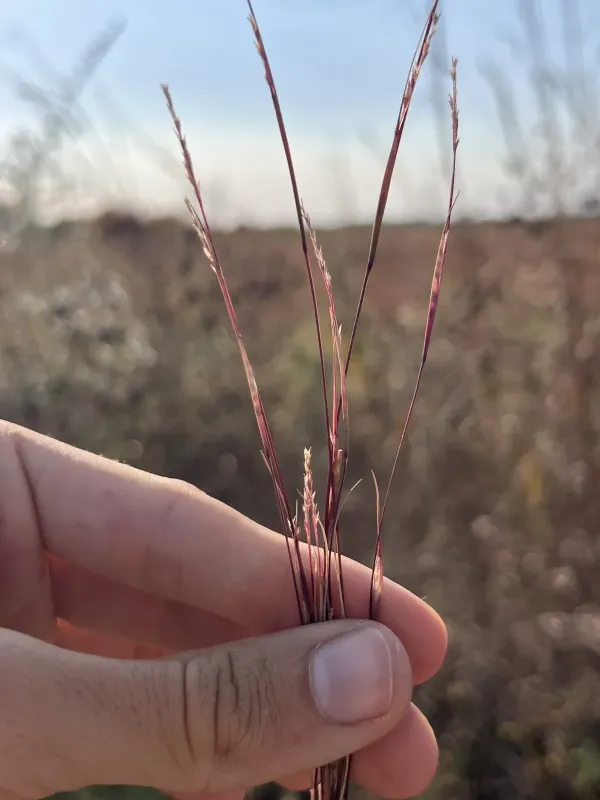
Description
Sowing dates
Sporobolus neglectus is an annual grass species that depends on the seasonal warming of the soil to initiate its germination cycle during the spring.
For agricultural purposes, planting should occur when soil temperatures reach 15 to 18 degrees Celsius, ensuring a steady and uniform emergence of seedlings.
The seeds are exceptionally small, which necessitates shallow sowing at a depth of no more than one centimeter to ensure access to sufficient solar energy.
Adequate soil compaction immediately after seeding is a critical agronomic practice to improve the capillary water movement toward the tiny seeds.
As an annual, the plant relies on a healthy soil seed bank, so maintaining an optimal plant population is essential for consistent productivity across seasons.
Growing requirements
Belonging to the Poaceae family, Sporobolus neglectus is highly adapted to arid environments, exhibiting extreme tolerance to heat and moisture stress.
The plant performs best in full sunlight and is sensitive to shade, which limits its utility in polyculture systems where higher-growing plants are present.
It thrives on poor, sandy, or rocky soils where more demanding forage crops would fail, making it a viable option for marginal land restoration.
Soil texture does not limit its growth significantly, but the species prefers well-aerated soils to support its extensive root architecture.
Effective management requires low nitrogen inputs, as high fertility often leads to increased competition from more aggressive, invasive weed species.
Yield
The biomass yield of Sporobolus neglectus is moderate compared to perennial forage grasses, which dictates its niche use in agricultural systems.
It provides a critical source of forage during the late summer months, a period when primary pasture species often experience a reduction in growth due to heat.
Livestock show a strong preference for the plant during its vegetative stage, prior to the onset of reproductive development and stem hardening.
Managed grazing rotations can enhance the overall productivity and persistence of the stand, preventing the grass from becoming overly lignified.
Fertilizer application can boost yield, though producers should evaluate the economic return carefully based on local market prices for pasture forage.
Main diseases and pests
The species exhibits robust natural resistance to most common cereal diseases, owing to its evolutionary development in diverse, wild environments.
Rust fungi and powdery mildew can occasionally manifest during unusually humid seasons, impacting the leaf tissue quality and overall crop health.
Insect pressure is generally low, though localized infestations of aphids or cereal flies can occur, typically requiring only spot-treatment measures.
The primary threat remains interspecific competition, particularly from invasive weed species that can outgrow and smother the delicate seedlings.
- Leaf rust (Puccinia spp.)
- Powdery mildew
- Aphids
- Root-knot nematodes (in sandy soils)
Harvesting
For hay production, harvesting should be completed before the flowering stage to maintain the highest concentration of protein and digestibility in the biomass.
Pasture management should focus on grazing the stand while it is actively growing to stimulate regrowth and maximize the duration of grazing availability.
Seed harvesting is conducted when the panicles have reached full maturity, marked by a color shift and the onset of natural seed shedding.
Using specialized machinery with careful speed adjustments is essential for harvesting these small seeds, which are prone to shatter losses in the field.
Post-harvest conditioning and drying are necessary to ensure the longevity of the seeds and to prevent moisture-related storage issues after processing.