
Green foxtail
Setaria viridis (L.) P. Beauv.
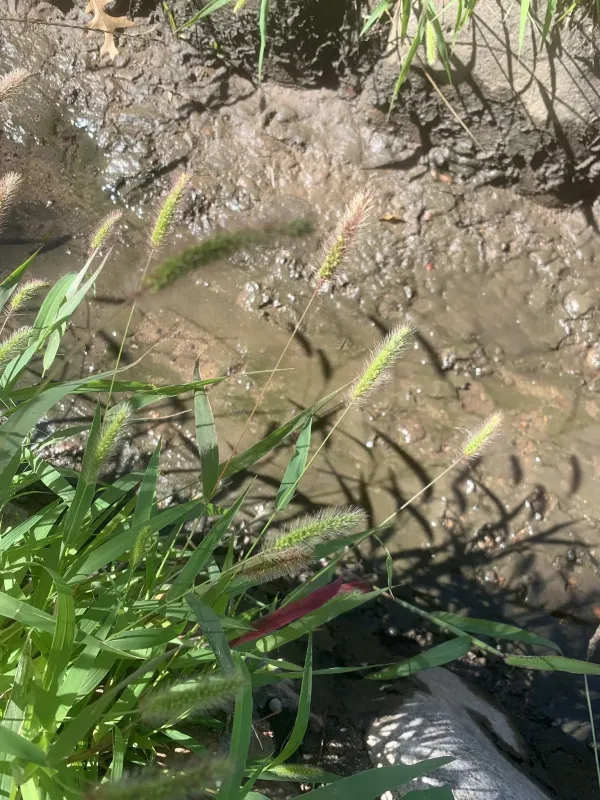
Description
Sowing dates
Green foxtail is a warm-season grass that requires soil temperatures of at least 12–15 degrees Celsius for optimal germination. Sowing typically occurs in late spring to early summer to ensure rapid establishment.
The seeds should be planted at a shallow depth of 2–3 cm, as deep sowing significantly reduces emergence rates due to the small size of the seeds. A firm seedbed is crucial for proper moisture contact.
Seeding rates are adjusted based on whether the crop is intended for pasture, green forage, or seed production. Higher rates are generally preferred for suppressing competing weed species.
Post-seeding rolling is recommended to ensure uniform germination, especially in drier environments where moisture retention is critical for early development.
Proper spacing is vital for air circulation and light penetration, which helps in reducing the incidence of fungal diseases during the vegetative stage.
Growing requirements
As a member of the Poaceae family, Green foxtail utilizes the C4 photosynthetic pathway, making it highly efficient in high-light and high-temperature environments.
The plant is remarkably adaptable to various soil types, ranging from sandy soils to heavy clay. It performs best in well-drained, fertile soils with a pH between 6.0 and 7.5.
While tolerant of low fertility, it responds positively to nitrogen fertilization, which significantly boosts biomass production in forage-focused farming systems.
Water requirements are highest during the germination and tillering phases, after which the plant becomes exceptionally drought-tolerant compared to other cool-season grasses.
It prefers full sun and does not thrive in shaded areas; therefore, it is best suited for open pastures or monoculture forage plots where light competition is minimized.
Yield
Green foxtail produces high-quality forage when harvested before the seed heads become too coarse, providing a balance of fiber and essential proteins for livestock.
Yields are highly variable depending on the amount of nitrogen applied and the length of the growing season, typically reaching 15–25 tonnes of green mass per hectare.
Seed yield is naturally high, with a single plant capable of producing a large volume of seeds, which makes it a prolific grower in suitable conditions.
The crop's rapid growth rate allows for multiple harvests in a single season under favorable conditions, particularly when moisture is not a limiting factor.
For high-yield production, fields should be managed to avoid the over-maturation of the crop, which can lead to a decrease in nutritional value as the plants produce seeds.
Main diseases and pests
Green foxtail is generally robust, but like many grasses, it can be susceptible to fungal pathogens like rust if moisture levels remain high for extended periods.
Insect pests such as cereal flies and aphids may impact young seedlings, potentially causing stunted growth in the early vegetative phase of the crop.
Managing the plant as a crop requires vigilance, as its high seed production potential can lead it to become invasive if it escapes the intended cultivation areas.
Integrated pest management strategies are recommended, focusing on crop rotation and maintaining healthy stands to reduce the need for chemical interventions.
Birds may cause significant damage to maturing seed heads, necessitating timely harvesting to secure the crop before wildlife depletion occurs.
Harvesting
Harvesting for forage should occur during the boot stage to maximize the nutritional profile, ensuring the highest protein content before the plant focuses energy on seed production.
Mowing and immediate windrowing allow for rapid drying, which preserves the quality and color of the fodder, making it highly palatable for livestock.
Seed harvesting should be performed when the seeds are mature but before they shatter, as Green foxtail seeds disperse easily once fully ripened.
Thorough cleaning of seeds is essential to remove chaff and ensure that the harvested material is clean and ready for storage or subsequent planting.
Proper storage in cool, dry areas prevents mold and ensures the viability of the seeds for future seasons, maintaining the quality of the genetic stock.