
Setaria sphacelata
Setaria sphacelata (Schumach.) Stapf & C. E. Hubb.
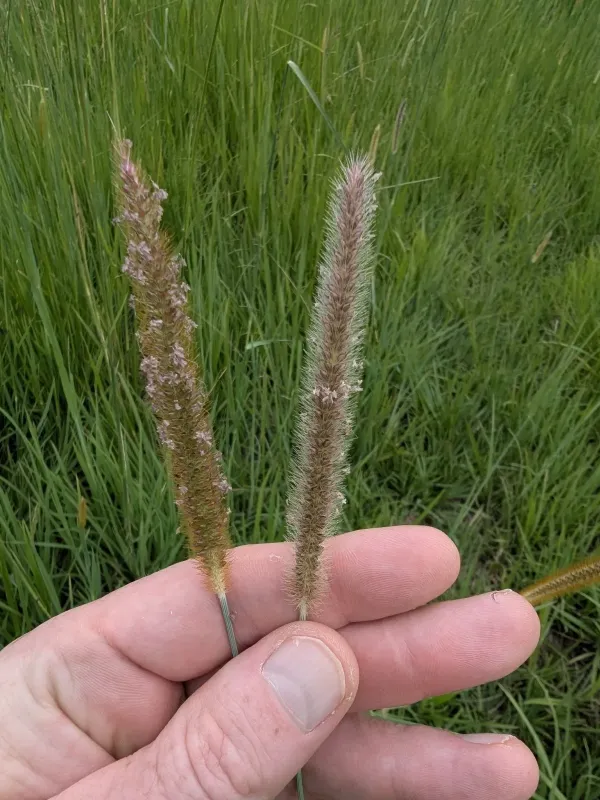
Description
Sowing dates
Setaria sphacelata, commonly known as golden bristle grass, is a perennial bunchgrass belonging to the Poaceae family. It is a highly productive forage crop native to African tropical and subtropical regions, widely valued for its ability to provide high yields of green biomass in warm climates.
Sowing should be carried out at the beginning of the rainy season or when soil temperatures remain consistently above 18-20 degrees Celsius. Successful establishment requires a well-prepared seedbed, ensuring that the soil is fine and firm, which is critical due to the small size of the seeds.
The seeding rate typically ranges from 3 to 5 kilograms per hectare, depending on the desired density and use, whether for grazing or hay production. It is important to avoid deep sowing, keeping seeds at a shallow depth of 1-2 centimeters to ensure rapid germination and seedling emergence.
The crop exhibits vigorous early growth if moisture levels are adequate. Uniform emergence is key to establishing a thick stand, which helps suppress weed competition naturally. Proper row spacing allows for easier initial weeding if mechanical maintenance is planned during the first few months.
After emergence, the crop enters a rapid growth phase. Management during the first weeks should focus on protecting young plants from weed infestation. Once the stand is established, it forms a dense root system that secures the plant and prepares it for frequent harvesting or grazing cycles.
Growing requirements
Golden bristle grass performs best on deep, well-drained loamy soils. It has a notable tolerance for various soil types and can handle temporary waterlogging better than many other forage grasses, making it a reliable choice for low-lying areas in tropical agricultural systems.
Temperature is a major driver of growth; the grass thrives in warm conditions, with an optimal range of 25-30 degrees Celsius. While it possesses moderate drought tolerance, high biomass production for intensive farming necessitates regular irrigation during dry periods to maintain active metabolic rates.
Soil pH should be managed to remain near neutral. If the soil is too acidic, liming is recommended prior to planting to enhance nutrient availability. The crop is highly responsive to nitrogen fertilization, which is essential for stimulating rapid regrowth after each cut or grazing period.
A balanced supply of phosphorus and potassium is required to support the development of a strong root system and sturdy stems. In intensive systems, applying fertilizer after each harvest cycle is a standard practice to prevent soil nutrient depletion and sustain high long-term yields.
Management of the grazing regime is essential to prevent overgrazing. Allowing the plants time to recover is necessary to maintain the longevity of the pasture. Strategic management helps in maintaining the productivity of the stand for up to 5-7 years under optimal conditions.
Yield
Setaria sphacelata is recognized for its high yield potential. Under intensive management, including proper fertilization and irrigation, farmers can expect yields ranging from 30 to 50 tons of green biomass per hectare annually, depending on the length of the growing season and the frequency of harvests.
Depending on local environmental conditions and the intensity of management, the grass can support 4 to 6 cuts per year. The ability to recover quickly is a defining characteristic of this species, making it an excellent candidate for dairy and livestock production systems requiring consistent feed.
The nutritional value is highest when the grass is harvested before the flowering stage. At this point, the ratio of protein to fiber is optimal, ensuring that livestock receive the necessary energy and nutrients for growth and milk production without excessive intake of lignified stems.
Longevity is a significant economic benefit, as a well-managed stand can persist for several years. This reduces the frequency of reseeding costs, provided the farmer manages the rotation and soil fertility effectively throughout the life cycle of the pasture.
The grass is versatile in its application, being suitable for fresh green feeding, high-quality hay production, and grazing. Its palatability is generally considered good, and its growth habit makes it resilient to trampling when used in controlled grazing systems.
Main diseases and pests
Like many tropical grasses, Setaria sphacelata is prone to leaf spot diseases, particularly in humid or stagnant air environments. Good field hygiene and proper spacing between plants are essential cultural practices to mitigate the risk of fungal spread across the stand.
Insect pests, including certain species of stem borers and grasshoppers, may pose a risk to young seedlings or during drought periods when natural vegetation is scarce. Regular field monitoring is necessary to identify potential outbreaks before they cause significant economic damage.
Root rot can become a problem in soils that remain saturated for extended periods, especially those with poor drainage. Selecting sites with good water movement and managing irrigation frequency are the primary strategies to prevent soil-borne pathogens from compromising the health of the crop.
Strategic use of biological or chemical controls may be required in severe infestation cases. However, maintaining a healthy, vigorous crop through proper fertilization and rest periods often provides the best natural defense against most common pests and diseases found in forage agriculture.
Rotating the fields and avoiding overstocking are important management practices that reduce the incidence of pest populations. By keeping the plants in a state of active growth and avoiding stress, producers can minimize the need for external chemical inputs.
Harvesting
Harvesting for hay should ideally occur at the late vegetative or early heading stage. Cutting at the right time is crucial because the stems become significantly tougher as the plant matures, which lowers both palatability and digestibility for the animals being fed.
Proper curing is necessary for high-quality hay. Because the stems retain moisture, mechanical tedding is often needed to spread the material and ensure uniform drying in the sun, which prevents mold and maintains the nutrient content of the preserved forage.
For silage production, harvesting occurs when the biomass is at its peak vegetative volume but before the stems harden. Compaction in the silo is vital to exclude oxygen and promote the growth of beneficial lactic acid bacteria, resulting in stable, high-energy winter feed.
When cutting the grass, the mower height should be set to approximately 10 centimeters. This ensures that the base of the plant and the growth nodes remain intact, which is critical for the rapid emergence of new shoots and the overall success of subsequent harvests.
Post-harvest management should include immediate nutrient replenishment and light harrowing if the stand is dense. By carefully managing the harvest process and the plant's recovery time, agricultural producers can maximize the efficiency and durability of their pasture resources.