
Balbis meadow-grass
Poa balbisii
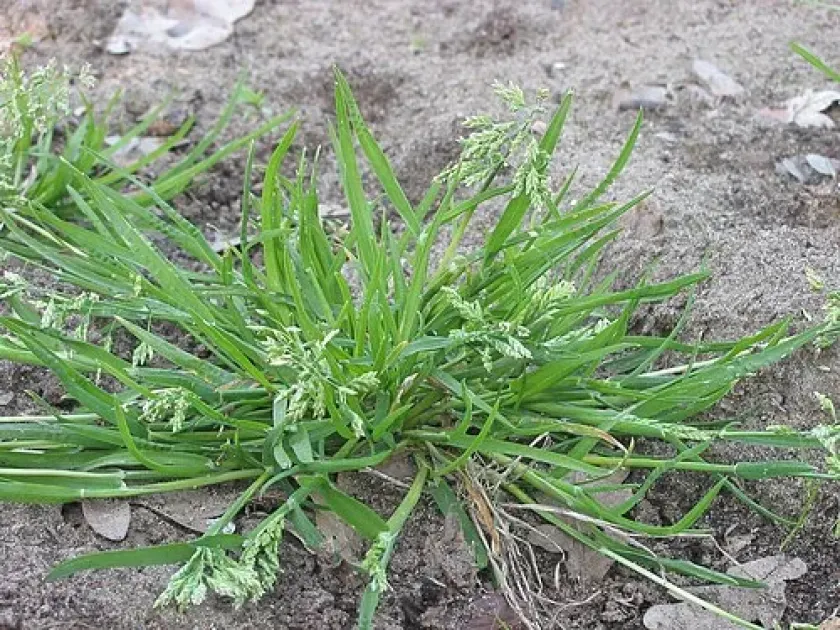
Description
Sowing dates
Balbis meadow-grass is typically sown during the early spring when soil moisture is at its peak. This timing ensures that seedlings establish strong roots before the onset of summer heat, which is critical for the long-term survival of the perennial stand.
Autumn sowing is also an option in regions with mild winters, as the seeds undergo natural stratification, promoting more uniform germination. The seeds are small and should be sown at a shallow depth of approximately 1 to 2 centimeters to ensure adequate soil contact.
The recommended seeding rate is around 10–12 kg per hectare when planted as a pure crop. Using specialized grass seed drills is essential to achieve a uniform distribution and avoid overcrowding, which can lead to competitive stress among the young plants.
Incorporating Balbis meadow-grass into mixtures with legumes like clover significantly enhances the overall quality of the pasture. This practice improves soil nitrogen levels and provides a more balanced nutritional profile for livestock grazing.
Rolling the field after sowing is a vital step in the process. This practice ensures that seeds are pressed firmly against the soil, preventing desiccation and helping to maintain the consistent soil-to-seed contact necessary for high germination rates.
Growing requirements
This grass thrives in fertile, well-drained, and moderately moist soils. It shows excellent adaptability to various soil structures, including loams, provided that they do not suffer from prolonged waterlogging or high levels of salinity.
Climate requirements for Balbis meadow-grass include a preference for temperate zones with consistent rainfall. It exhibits high winter hardiness, making it capable of surviving harsh winter conditions when protected by a stable snow cover.
Fertilization is a key factor in maximizing the productivity of the stand. Nitrogen applications during the spring growth phase stimulate leaf development, while potassium and phosphorus are essential for root health and stem strength.
The species is light-demanding but can tolerate partial shade, making it a versatile choice for agroforestry or integrated grassland systems. It forms a dense sod that prevents soil erosion and suppresses the growth of opportunistic weeds.
As a member of the Poaceae family, it is designed for resilience under moderate grazing pressure. Its ability to regenerate from basal buds after cutting or grazing makes it an ideal candidate for long-term managed pastures.
Yield
The yield potential of Balbis meadow-grass depends heavily on management practices and soil fertility levels. With optimal fertilization and moisture, the crop can provide multiple cuts per season, ensuring a stable supply of high-quality forage.
The peak nutritional value is achieved during the heading stage. Harvesting at this point ensures the highest digestibility and protein content, which is vital for maintaining healthy livestock throughout the year.
Implementing a rotational grazing strategy allows for the long-term sustainability of the pasture. By allowing intervals for recovery, the plants can replenish their carbohydrate reserves in the root system, which is crucial for future regrowth.
Used as hay, the crop is highly palatable and is readily consumed by cattle and sheep. Its nutritional profile makes it a staple component for winter diets, especially when harvested and stored at the correct moisture level.
Management efficiency can be improved by monitoring the growth cycles and tailoring irrigation and nutrient application to match the specific needs of the stand during the most active periods of the growing season.
Main diseases and pests
Fungal diseases, including rust and powdery mildew, are the primary threats to crop health. These issues often arise due to poor ventilation in overly dense stands or high humidity, necessitating proper spacing and drainage.
Pests such as cereal flies may cause damage during the seedling stage. Implementing crop rotation and precise planting schedules can help mitigate the risks associated with these pests, reducing the need for chemical intervention.
Excessive soil moisture is a major risk factor as it can lead to root rot and decrease the vigor of the grass. Improving drainage systems and ensuring that the land is not prone to flooding is essential for sustaining the stand.
Weed competition can be severe during the first year of establishment. Proactive weed control measures, including mechanical weeding or selective herbicide use, are necessary to ensure the meadow-grass can dominate the site.
Regular monitoring for symptoms of disease or pest infestation allows for timely management actions. Keeping the stand healthy through balanced nutrition is the best defense against long-term deterioration.
Harvesting
The harvest for hay should occur at the early heading phase. This timing provides the best balance between total dry matter yield and the nutritional quality, before the stems become too fibrous and lose their digestibility.
Cutting height should be kept at 5–7 centimeters to allow the plant to regenerate rapidly from its basal buds. This practice encourages the development of new shoots and is essential for obtaining high-yielding subsequent harvests.
Rapid drying of the mown material is necessary to preserve vitamins and prevent nutrient loss. Tedding the swaths speeds up the moisture evaporation process, allowing for safe baling within a few days of cutting.
When ensiling the grass, proper compaction is essential to remove air and promote effective anaerobic fermentation. This method ensures that the silage remains high-quality and free of spoilage for long-term storage.
The final cut of the season must be completed early enough to allow the grass to regrow slightly before dormancy sets in. This ensures that the plants enter winter with enough energy stored for survival and a fast start the following spring.