
Paspalum longipilum
Paspalum longipilum
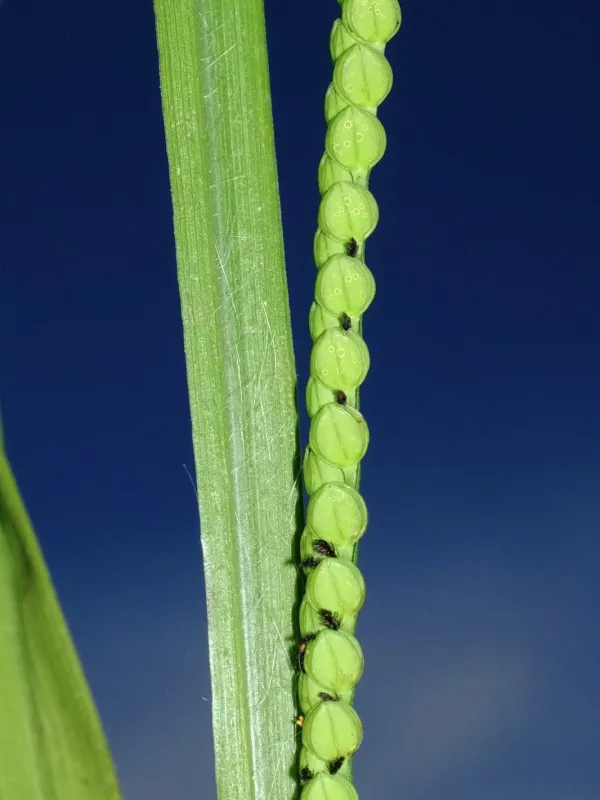
Description
Sowing dates
Sowing Paspalum longipilum is best carried out in the spring when soil temperatures reach stable, favorable levels for germination. Preparing a smooth, well-tilled seedbed is essential to ensure consistent planting depth and uniform establishment of the crop.
The optimal planting depth for the seeds is between 1 and 2 centimeters; burying them too deep will significantly hinder emergence due to the small seed size. Post-sowing rolling is highly recommended to improve the seed-to-soil contact necessary for moisture absorption.
Seed rates should be adjusted based on the intended use, such as pasture or hay production. It is crucial to complete sowing early in the season to allow the seedlings to establish a strong root system before the onset of extreme summer heat.
Early growth stages are characterized by a slow rate of development, making weed control a top priority. Limiting competition from invasive species during the first few weeks is vital for the long-term success of the stand.
When overseeding existing grasslands, one must account for the competitive nature of this species to ensure it secures its place within the vegetation mosaic. Providing adequate space for early establishment significantly boosts overall stand density.
Growing requirements
Paspalum longipilum is a perennial grass species belonging to the Poaceae family, known for its robust root system and adaptability. Originally found across the Americas, it thrives in a variety of open environments and grassy landscapes.
The plant prefers well-drained, sandy-loam soils with a slightly acidic pH level. While it shows decent drought tolerance, achieving peak vegetative biomass requires consistent moisture throughout the growing season.
Full sun exposure is a mandatory requirement for this species, as shading significantly restricts its growth and tillering capability. It performs best under warm conditions with temperatures consistently ranging from 20 to 30 degrees Celsius.
Effective management includes timely nitrogen fertilization to promote vigorous leaf growth. Furthermore, phosphorus and potassium inputs are beneficial for enhancing root development and overall winter survival in colder regions.
Stagnant water and heavily compacted soils should be avoided, as these conditions increase the risk of root rot and inhibit the plant's ability to access essential nutrients. Maintaining good soil aeration is key to long-term stand health.
Yield
Paspalum longipilum is primarily utilized for livestock grazing and hay production, valued for its ability to recover quickly after intensive grazing cycles. Its nutritional profile makes it a viable candidate for various forage-based diets.
The total yield of biomass depends heavily on site fertility and the frequency of fertilizer application. By managing the stand properly, producers can achieve multiple harvests throughout the growing season.
The feed quality is relatively high for a grass species, providing essential proteins and energy to cattle. It serves as a reliable pasture component, especially during peak growth months when forage demand is highest.
Rotational grazing is highly recommended to allow the plants to replenish energy reserves in their rhizomes between grazing events. Overgrazing, particularly in dry conditions, can severely deplete the plant's resources and reduce longevity.
Stands typically reach their maximum productivity potential by the second or third year of growth. With proper rotational management and maintenance, a single stand can remain productive for five to seven years.
Main diseases and pests
Common threats to stand health include fungal diseases such as leaf rust and powdery mildew, which thrive under conditions of high humidity and poor air circulation within the canopy.
Pests, such as wireworms or various caterpillar species, can damage the root system and stem bases, leading to reduced growth or stand failure. Monitoring the population of these insects is essential for timely intervention.
Weed competition remains a major hurdle during the establishment phase, as opportunistic species can easily suppress the slow-growing Paspalum seedlings. Mechanical and chemical weed control methods should be integrated into the management plan.
Early detection of pathogen symptoms is crucial for preventing widespread stand degradation. Ensuring optimal planting densities helps maintain good airflow, significantly reducing the pressure from moisture-loving fungal pathogens.
Maintaining a healthy, well-nourished stand is the best natural defense against biotic stress. Balanced fertilization and proper water management contribute to the plant's ability to withstand common agricultural threats.
Harvesting
For hay production, harvesting should occur during the early heading stage, when the nutrient content is at its peak. Delaying harvest leads to increased stem lignification, which reduces both palatability and nutritional value for livestock.
When harvesting for seeds, the operation should take place when the seed heads reach full maturity, characterized by color change and firmness. Using modern harvesting equipment minimizes the loss of small seeds during the process.
Proper hay curing is essential to maintain color and nutritional quality; rapid drying using mechanical tedding is recommended. Proper ventilation during storage is also necessary to prevent spoilage and moisture-related damage.
Managing cutting height is critical for the long-term survival of the stand; avoid cutting too low, as this can damage the growth nodes and hinder the plant's ability to regrow effectively.
Post-harvest seed processing, including cleaning and moisture adjustment, ensures high germination rates for future seasons. Proper seed storage in a cool, dry environment is mandatory to maintain seed viability for extended periods.