
Paspalum intermedium
Paspalum intermedium
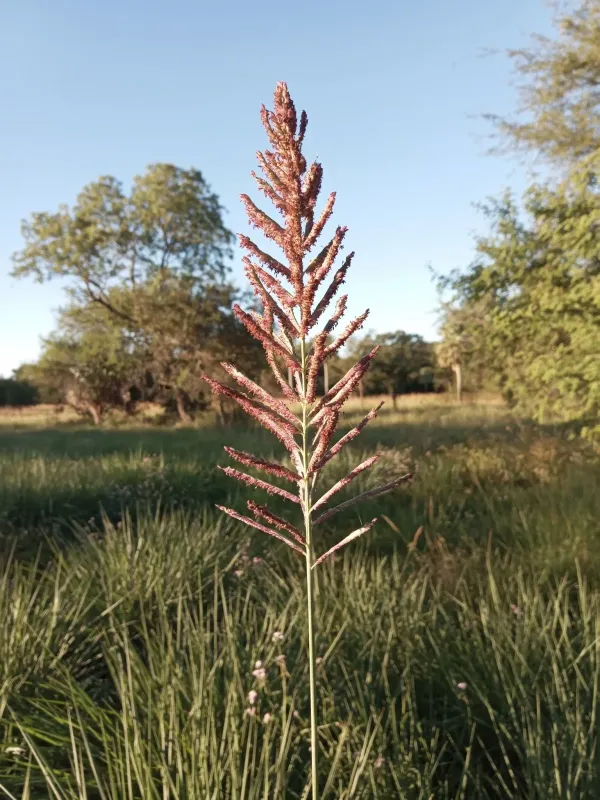
Description
Sowing dates
Paspalum intermedium is a perennial grass species within the Poaceae family, widely recognized for its agricultural potential as a forage crop. It is highly valued for its ability to produce substantial biomass in warm to temperate climates, where it serves as a resilient component of grasslands.
The timing for sowing this species is highly dependent on regional climatic conditions. Ideally, seeding should occur when soil temperatures reach 15–18 degrees Celsius, which encourages rapid germination and ensures strong root establishment before the onset of extreme weather.
Proper field preparation is essential for a successful crop. This involves deep plowing followed by smoothing and compacting the soil to create a firm, fine-textured seedbed. As Paspalum seeds are small, they should be sown shallowly, ideally at a depth of no more than 1–2 centimeters.
When seeding in warmer months, maintaining consistent soil moisture is crucial. Young Paspalum seedlings are sensitive to dehydration, and irrigation may be necessary to ensure the survival and uniform emergence of the stand during the critical establishment phase.
The seeding rate must be adjusted based on soil fertility and the intended use of the crop. Once established, Paspalum forms a dense sod that is highly competitive, helping to exclude unwanted weeds and providing a stable foundation for grazing or hay production.
Growing requirements
Paspalum intermedium thrives in full sunlight and is considered a light-demanding species. Significant shading from trees or structures will lead to a decrease in biomass production and a reduction in the forage quality of the stand, making site selection vital.
While the plant is adaptable to various soil types, it performs best in well-drained loamy or sandy soils. It shows moderate tolerance for temporary waterlogging, which makes it a viable option for low-lying areas that may experience periodic saturation during heavy rainfall.
Soil pH levels should ideally be in the neutral to slightly acidic range. Soils that are excessively alkaline or acidic can hinder nutrient uptake, resulting in stunted growth. Correcting soil pH through liming or appropriate fertilizers is recommended before establishing a new stand.
Temperature requirements define the growing season for this grass. It is a warm-season perennial that remains dormant during cold periods. Spring regrowth is initiated once consistent warmth returns, allowing the plant to rapidly recover and enter its active growth phase.
Fertilization management is key to maintaining high productivity. Nitrogen applications are especially beneficial for stimulating leaf growth and density. Periodic applications of phosphorus and potassium are also necessary to support root health and ensure the longevity of the stand.
Yield
The yield of Paspalum intermedium is largely determined by management intensity and the availability of water. Under optimal conditions, the grass can support multiple harvests or cycles of intensive grazing throughout the growing season, providing a steady feed supply.
Nutritionally, the grass is highly valued for its protein content and digestible fiber. Livestock readily consume it, making it an excellent candidate for permanent pasture systems, where its durability against trampling ensures that the cover remains productive for years.
Rotational grazing is the recommended strategy for managing this crop. Allowing the stand to recover between grazing periods is essential for nutrient storage in the roots, which directly influences the speed and volume of future regrowth after the animals are moved.
Harvesting for hay should be timed to avoid stem lignification. Cutting the grass before it becomes too fibrous ensures higher digestibility for livestock, maximizing the efficiency of the harvested material as a high-quality forage product.
Consistent yields of dry matter can be maintained for many years if the stand is managed correctly. The longevity of the grass makes it a cost-effective choice for farmers looking to establish reliable, low-maintenance forage sources in suitable climates.
Main diseases and pests
Fungal infections are among the primary threats to Paspalum intermedium, especially during periods of high humidity. Diseases like rust and various leaf spots can reduce the photosynthetic area, ultimately decreasing the nutritional quality of the forage.
Soil-borne pests, such as wireworms or white grubs, can cause significant damage to the roots of young plants. Monitoring for these pests during the establishment phase is essential, as heavy infestations can lead to thinning stands and lost productivity.
Weed competition is most problematic during the establishment year. If weeds are not managed, they can quickly outcompete Paspalum seedlings. Mechanical or chemical weed control measures should be employed early to ensure the crop gains the upper hand.
Overgrazing is a major risk factor that can lead to stand degradation. If the grass is grazed too low or too frequently, the plant may lose the reserves needed for regrowth, leading to gaps in the sod that are quickly invaded by invasive weed species.
Maintaining a healthy stand through appropriate fertilization and controlled grazing is the best prevention against pests and diseases. If an infection outbreak occurs, targeted application of approved fungicides may be necessary to preserve the health of the field.
Harvesting
Hay production requires harvesting at the early heading stage. This specific timing balances biomass quantity with high nutritional density, providing an ideal feed source that supports the energy requirements of livestock during winter months.
For grazing operations, managing the residual height is vital. Avoiding overly close grazing protects the plant's growing points, allowing for faster recovery and ensuring that the grass maintains its density and vigor over several seasons of use.
Effective drying is essential for hay quality. Using modern tedders to turn the forage ensures even moisture loss, preserving the nutritional profile and the green color of the hay, which indicates higher protein retention and palatability for animals.
Storage should prioritize keeping the harvested forage dry. Properly constructed barns or well-covered stacks prevent moisture ingress and the subsequent development of mold, which can make the feed dangerous or unpalatable for cattle.
Seed production harvesting requires precision to avoid losses due to shattering. Crops intended for seed should be monitored carefully for maturity and harvested as soon as the grains reach peak viability, then cleaned to remove chaff and impurities before storage.