
Paspalum geminatum
Paspalum geminatum
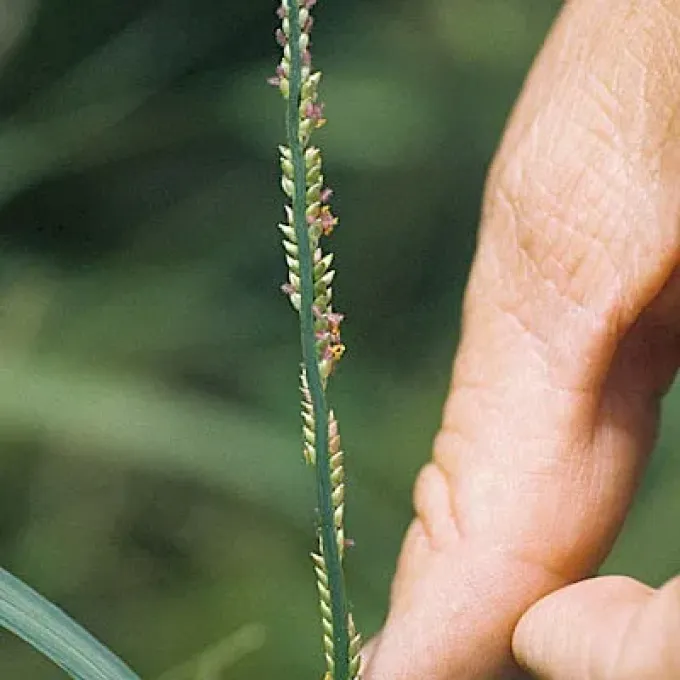
Description
Growing requirements
Paspalum geminatum is a perennial forage grass belonging to the Poaceae family. This species is widely recognized for its robust growth habit and its ability to thrive in tropical and subtropical climates where high temperatures prevail.
The plant requires well-drained soils to achieve optimal development. While it performs best in loamy substrates, it exhibits considerable adaptability to varied soil textures, including sandy soils, provided that moisture levels are managed properly.
Cultivation practices focus on providing sufficient sunlight and warmth, as the grass is sensitive to frost. It grows most vigorously when daily temperatures consistently exceed 20°C, promoting rapid leaf expansion and tiller formation.
Botanically, it features a strong rhizomatous or stoloniferous structure which allows it to form a dense sod. This trait makes it exceptionally resistant to grazing pressure and heavy mechanical harvesting, contributing to its longevity.
Nutrient management is essential for productivity; application of nitrogenous fertilizers after each harvest cycle significantly boosts biomass yields and ensures high protein content in the harvested forage.
Main diseases and pests
The primary threats to Paspalum geminatum productivity include fungal infections such as rust and leaf blight. These diseases are exacerbated by excessive humidity and poor air circulation within the stand.
Insect pests such as fall armyworms and aphids can cause significant damage, especially during the early stages of plant growth. Regular monitoring is necessary to prevent extensive foliage destruction.
Effective management strategies involve a combination of biological controls and chemical treatments. Keeping the field clean of excessive debris helps in reducing the overwintering populations of insect pests.
Crop rotation or strategic grazing management can break the life cycle of many pests. Proper fertilization also builds the plant's natural resistance, making it less susceptible to localized outbreaks.
Consulting with local agricultural advisors is recommended to determine the specific pest pressure threshold in your region and to select the most appropriate protection programs for your field.