
Paspalum dissectum
Paspalum dissectum
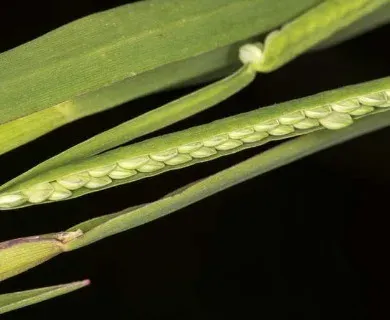
Description
Growing requirements
Paspalum dissectum is a perennial grass species belonging to the Poaceae family. It is known for its creeping growth habit and high tolerance to saturated soil conditions, making it a valuable plant for wetlands and riparian areas.
This species naturally occurs in tropical and subtropical regions, particularly thriving in river basins and floodplains. Its ability to root at the nodes allows it to form dense mats, which effectively stabilize moist soils and prevent erosion in agricultural landscapes.
The crop requires sunny locations and nutrient-rich, moist soils to reach its full vegetative potential. While it can handle intermittent flooding, it performs best in soils with neutral to slightly acidic pH, where water availability is consistent throughout the growing season.
Agronomic management focuses on maintaining a balanced soil moisture level. Excessive drainage can inhibit growth, while prolonged drought stress significantly reduces the biomass output, making it less effective as a pasture forage.
The primary agricultural use of Paspalum dissectum is for grazing, as it provides a resilient source of forage in environments that are often unsuitable for other common pasture grasses. Its rapid recovery rate after grazing makes it highly sustainable for livestock systems.
Main diseases and pests
Fungal diseases, specifically leaf spot and rust pathogens, represent the most significant threat to Paspalum dissectum. These conditions are exacerbated by high humidity levels and poor airflow within the crop canopy during the peak growing season.
Pests such as stem-boring insects and root-feeding larvae can damage the plant's health. Integrated pest management strategies, including crop rotation and monitoring, are essential to minimize damage and ensure high yields.
Weed competition poses a challenge, particularly during the establishment phase. Keeping the sward density optimal helps the grass compete effectively and prevents the intrusion of opportunistic weed species.
Soil compaction caused by heavy machinery can negatively impact root development and exacerbate drainage issues, leading to root rot. Avoiding traffic during peak wet periods is crucial for maintaining the vigor of the grass stand.
While the species is hardy in its native range, frost sensitivity can limit its use in colder climates. Selecting climate-adapted varieties or using managed grazing practices can help mitigate the risks associated with adverse environmental conditions.