
Paspalum dasypleurum
Paspalum dasypleurum
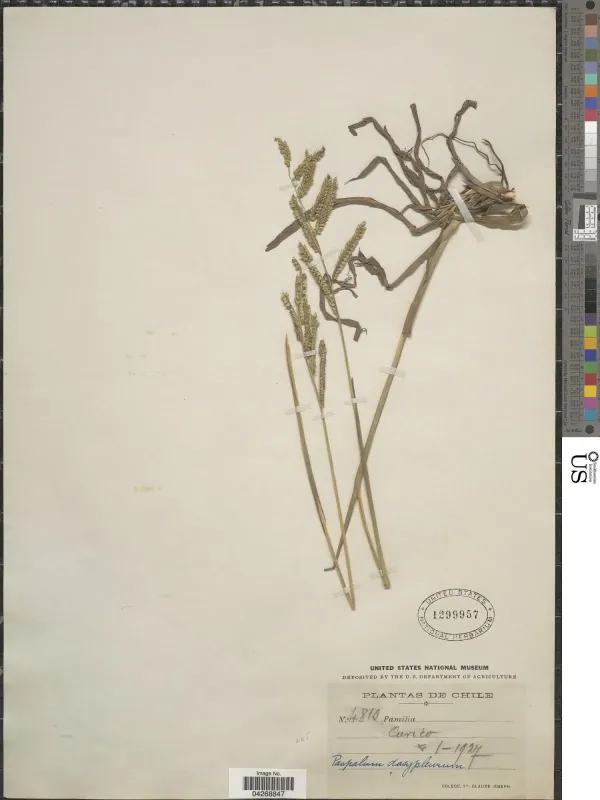
Description
Growing requirements
Paspalum dasypleurum is a resilient perennial grass belonging to the Poaceae family. Known for its robust growth, it typically forms dense turf, making it an excellent candidate for permanent pasture systems in specific ecological zones.
The species is native to tropical and subtropical regions of the Americas. It thrives in warm climates characterized by high temperatures and distinct rainfall patterns, which are essential for its vigorous vegetative production.
Regarding soil requirements, this species favors well-drained loamy or sandy substrates. It is remarkably adaptable to nutrient-poor soils, demonstrating a high tolerance for varying fertility levels common in tropical pastures.
Optimal climatic conditions for this grass include high solar radiation and absence of prolonged frost. It is a warm-season grass that maximizes its biomass production during the peak of the growing season when moisture is available.
Agricultural management involves periodic grazing or mowing to stimulate regeneration. The grass responds well to integrated nutrient management, particularly nitrogen fertilization, which enhances protein content in the forage biomass.
Main diseases and pests
The primary threats to Paspalum dasypleurum include various foliar fungal pathogens that thrive under high humidity and poor air circulation. Symptoms often appear as leaf spots or localized necrosis on blades.
Insect pests such as grasshoppers and sucking insects can impact yield by damaging photosynthetic tissue. Managing these populations often requires monitoring during the early stages of the growing season to prevent outbreaks.
Root rot remains a concern in poorly drained areas where water logging occurs. Ensuring proper drainage in the field is a critical preventative measure to maintain the health of the plant's extensive root system.
Good pasture hygiene, including the removal of dead organic matter, is essential for reducing the inoculum level of pathogens. This practice prevents the accumulation of dormant fungal spores in the turf layer.
Finally, integrated pest management strategies should emphasize natural control and the use of resistant cultivars when available. Maintaining plant vigor through balanced fertility is the best defense against both diseases and pests.