
Paspalum ceresia
Paspalum ceresia
Description
Sowing dates
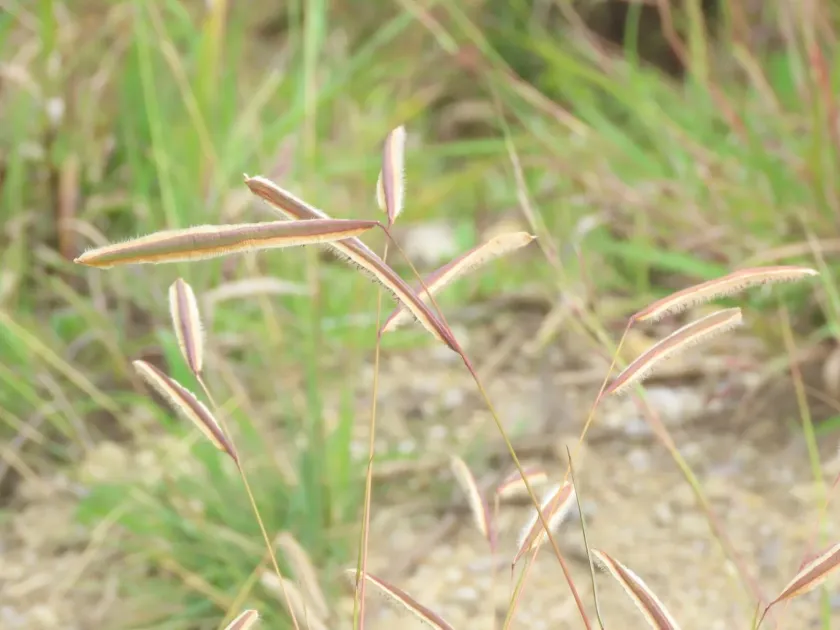
Paspalum ceresia is a perennial grass species belonging to the Poaceae family. Originally found in South American tropical landscapes, it has gained recognition as a robust forage plant suitable for various agricultural environments.
The optimal sowing time occurs when soil temperatures are consistently above 20 degrees Celsius. Planting during these periods ensures rapid germination and helps young seedlings establish their root systems before facing harsh conditions.
Seeding is typically performed using a standard seed drill, with a shallow depth of approximately one centimeter. Given the small size of the seeds, depth control is critical to avoid poor emergence rates caused by seed burial.
For large-scale cultivation, light rolling after sowing is recommended. This practice improves soil-to-seed contact and helps retain soil moisture, which is essential for uniform crop establishment across the field.
Farmers often time their planting to align with the beginning of the rainy season. This strategic approach provides the necessary moisture for early development and significantly enhances the long-term survival of the crop in its initial phase.
Growing requirements
This crop performs best in well-drained loamy or sandy soils with a neutral pH. While it is adaptable to various conditions, poor drainage is a significant constraint, as stagnant water can lead to root degradation.
Light availability is essential for the productivity of Paspalum ceresia. It thrives in open, sunny locations where it can maximize photosynthesis, which directly correlates to biomass yield and overall plant health.
Although it has moderate drought tolerance, regular moisture significantly boosts growth rates. In areas with high heat, supplemental irrigation can be employed to maintain green leaf area during the dry summer months.
Nitrogen fertilization is the primary nutrient requirement for maximizing biomass. Applications should be split over the growing season to ensure sustained protein content in the forage and promote vigorous regrowth after grazing.
The plant is highly sensitive to frost. While it survives in tropical and subtropical zones, temperatures approaching freezing will cause the foliage to wither, requiring a period of recovery during the following spring.
Yield
Paspalum ceresia is primarily used for pasture grazing and hay production. It is highly valued for its ability to produce a reliable volume of biomass that remains palatable to livestock when managed correctly.
Rotational grazing is the most efficient method for utilizing this forage. By allowing the plants sufficient time to recover between grazing periods, farmers can maintain high yield levels and prevent degradation of the field.
The nutritional profile of the grass is highest during the vegetative stage. Proper management involves timing the grazing or harvesting events to avoid the stemmy, reproductive phase, where fiber content increases significantly.
Under favorable management and optimal fertility, the stand can remain productive for many years. It is a cost-effective solution for permanent pasture systems, reducing the need for frequent reseeding of the grazing land.
Increased productivity can be observed under intensive management systems. By balancing stock density with plant regrowth rates, farmers can achieve high dry matter output per hectare throughout the active growing season.
Main diseases and pests
Fungal pathogens such as rust and leaf spot are common threats, particularly under high humidity conditions. These diseases can reduce the photosynthetic area of the leaves, thereby impacting total yield and forage quality.
Insects, particularly those that feed on leaf tissue or bore into stems, can cause significant damage. Monitoring for these pests is essential, especially during the early stages of growth when the plants are most vulnerable.
Weed competition is a significant concern during the establishment phase. Utilizing appropriate pre-emergent or selective herbicides can help the Paspalum establish a competitive advantage, ensuring a dense and healthy pasture stand.
Overgrazing poses a structural threat to the pasture. It leads to the depletion of root reserves and promotes the intrusion of less desirable weed species, which can eventually crowd out the Paspalum ceresia stand.
General pasture maintenance, including periodic soil testing and fertilization, is the best defense against threats. Healthy, well-nourished plants show much greater resilience to biotic and abiotic stresses over their lifespan.