
Transylvanian melick
Melica transsilvanica
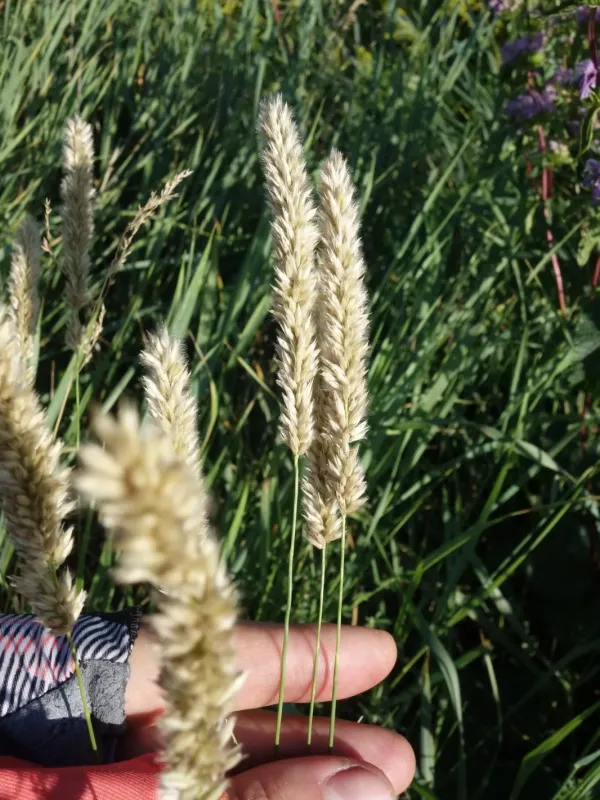
Description
Sowing dates
Transylvanian melick is a perennial grass that is best established in early spring, allowing the plants to develop a strong root system before the summer heat.
Seeds should be sown in rows with a spacing of about 15 to 20 centimeters to ensure adequate airflow and space for individual plants to thrive.
It is crucial not to bury the seeds too deeply; a depth of 1 to 2 centimeters is sufficient to ensure quick germination and successful seedling emergence.
Rolling the soil immediately after sowing is highly recommended, as it promotes moisture contact with the seeds and improves overall germination rates.
Because the plant exhibits slow growth during its first year, it is vital to keep the field clear of invasive weeds during the establishment phase.
Growing requirements
As a member of the Poaceae family, Transylvanian melick thrives in well-lit environments and is known for its high level of environmental adaptability.
The plant has specific drainage requirements; it performs poorly in waterlogged soils and is best suited for well-draining, calcareous, or stony terrain.
It displays remarkable drought tolerance, making it an excellent candidate for agricultural land that does not receive regular irrigation or rainfall.
The ideal soil pH range for this species is neutral to slightly alkaline, allowing it to grow efficiently in various soil types across its native range.
Its deep root system makes it particularly valuable for erosion control, especially on steep slopes where other vegetation might struggle to survive.
Yield
Transylvanian melick is primarily utilized as a high-quality forage component in perennial pastures and hay meadows within arid or semi-arid regions.
The yield of biomass is heavily influenced by soil fertility and light availability, though it remains a consistent producer under suitable conditions.
Nutritional value is at its peak before the flowering stage, providing high levels of crude protein and essential minerals for grazing livestock.
Once the plant begins to flower, the stems become significantly coarser, which may reduce palatability for livestock compared to the early growth stages.
- Superior nutritional value during the vegetative stage.
- High resilience under heavy grazing pressure.
- Excellent longevity for long-term pasture management.
Main diseases and pests
This grass species is naturally robust and possesses strong immunity against many of the common pathogens that affect commercial cereal crops.
Under conditions of excessive humidity or poor aeration, the crop may be susceptible to minor outbreaks of powdery mildew or rust diseases.
Pests such as aphids or various grain-feeding insects might occasionally pose a risk, but significant damage is relatively rare in healthy, well-managed fields.
Overgrazing and improper cutting management are the main threats that can lead to the thinning of the stand and invasion by opportunistic weed species.
Integrated pest management and careful rotational grazing are the most effective ways to maintain the health and vigor of the Transylvanian melick stand.
Harvesting
For the best hay quality, harvesting should occur at the very beginning of the heading stage, ensuring the forage remains tender and nutrient-dense.
Maintaining a cutting height of at least 7 centimeters is essential to protect the growing points and encourage rapid regrowth for subsequent cycles.
Seed harvest is conducted when the seed heads reach full maturity and display a pale straw color, indicating the end of the physiological development.
Careful handling during harvest is necessary to prevent premature seed shattering, which can lead to significant yield losses in commercial production.
Post-harvest processing requires immediate drying of the seeds to approximately 12–14% moisture content to ensure safe storage and long-term viability.