
Amethyst Ischaemum
Ischaemum amethystinum
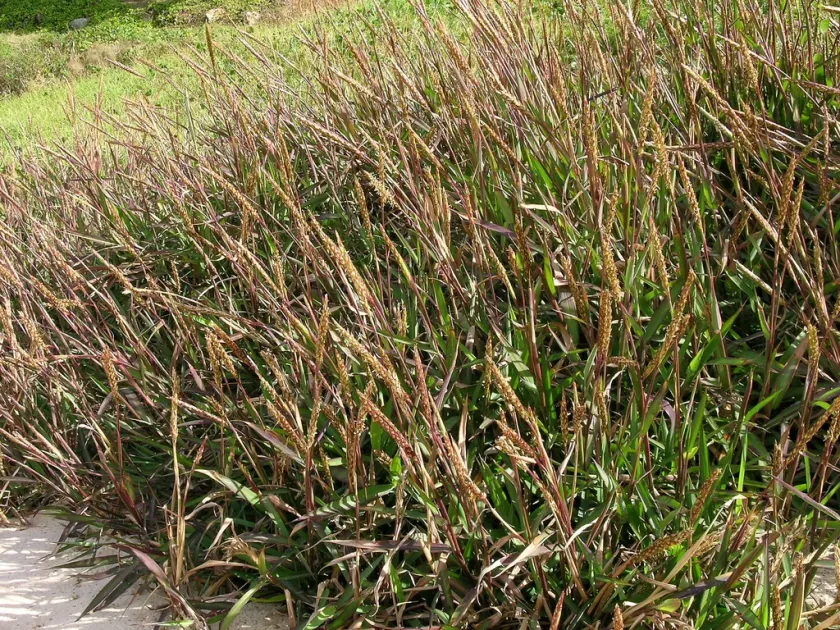
Description
Sowing dates
Sowing of Amethyst Ischaemum should be carried out in the spring when the soil temperature consistently reaches 15 degrees Celsius. Timely planting ensures vigorous seedling growth and proper establishment of the root system.
Seeds are sown at a shallow depth of approximately 2–3 centimeters. It is crucial to ensure good soil-to-seed contact, so light rolling after planting is recommended to improve moisture retention.
The seeding rate depends on soil type and the intended use of the grass stand. Typically, 10 to 12 kilograms per hectare is sufficient when using row sowing methods with 15-centimeter spacing.
For pasture improvement, overseeding into existing turf is possible with specialized machinery. This method minimizes soil disturbance and helps protect seeds from drying out in open fields.
Autumn sowing is generally avoided in temperate climates due to the risk of frost damage. Spring planting remains the most reliable strategy to achieve uniform stands across the field.
Growing requirements
Ischaemum amethystinum is a perennial grass from the Poaceae family. It exhibits high adaptability to various soil types, ranging from sandy loams to heavier clay soils, provided drainage is adequate.
The plant thrives in full sunlight, which is essential for maximizing biomass production. Shaded areas significantly inhibit development and reduce the overall nutritional density of the grass.
Although the species is drought-tolerant once established, it responds well to moderate irrigation during dry spells. Consistent moisture is a key factor in maintaining high growth rates throughout the season.
Nutrient management is critical for productivity. Regular application of nitrogen-based fertilizers helps stimulate rapid foliage regrowth after grazing or mechanical harvesting.
The ideal soil pH for this culture is neutral to slightly acidic. If soil acidity is too high, liming is recommended to improve the availability of essential nutrients to the root system.
Yield
The yield of Amethyst Ischaemum is closely tied to its regrowth capacity. Under optimal conditions, the crop can provide two to three harvests per growing season, offering a reliable supply of fodder.
The average dry matter yield ranges between 5 and 8 tons per hectare. With intensive management and proper fertilization, these figures can be significantly improved in managed forage systems.
Nutritional quality is highest when harvested before the heading phase. Monitoring the growth stage is vital for capturing the peak protein and energy content before the stems become lignified.
The plant is well-regarded for its rapid regrowth after cutting, which allows for multiple utilization cycles within a single year. This attribute makes it a valuable asset for intensive farming.
Periodic renewal of the grass stand every four to five years is recommended to prevent a natural decline in productivity and to maintain optimal stand density for high yields.
Main diseases and pests
Common issues include fungal diseases such as rust, which can occur in high-humidity conditions or overly dense stands. Proper spacing and airflow are the best natural defenses against such pathogens.
Pests like aphids and various soil-borne insects may occasionally affect the crop. Regular field monitoring is essential to catch early signs of infestation and prevent widespread damage.
Prevention strategies involve crop rotation and sanitation practices, such as removing excess plant residue after harvest to reduce sites for fungal overgrowth and insect breeding.
When necessary, targeted application of environmentally safe insecticides is advised. It is crucial to follow pre-harvest intervals to ensure the fodder remains safe for livestock consumption.
A healthy, well-nourished stand possesses high natural resilience. Maintaining soil fertility and appropriate water management is the most effective way to sustain the plant's natural disease resistance.
Harvesting
The first harvest is usually timed to coincide with the stem elongation phase. This stage offers the best balance between overall biomass volume and the nutritional quality required for livestock.
For hay production, rapid drying is essential to prevent mold and nutrient loss. Turning the windrows periodically speeds up moisture evaporation and helps preserve the green color of the hay.
Rotational grazing is the preferred method for managing this culture in pastures. This prevents overgrazing and allows the plants sufficient time to recover their leaf area after being eaten.
Seed harvesting should occur at full maturity. It is important to monitor the field closely to prevent premature shattering of the seeds, which could result in significant yield loss.
Harvested seeds must be cleaned of impurities and dried to a moisture content of 12–14 percent. Proper storage in a cool, dry place is necessary to maintain high germination rates for future seasons.