
Helictotrichon bromoides
Helictotrichon bromoides
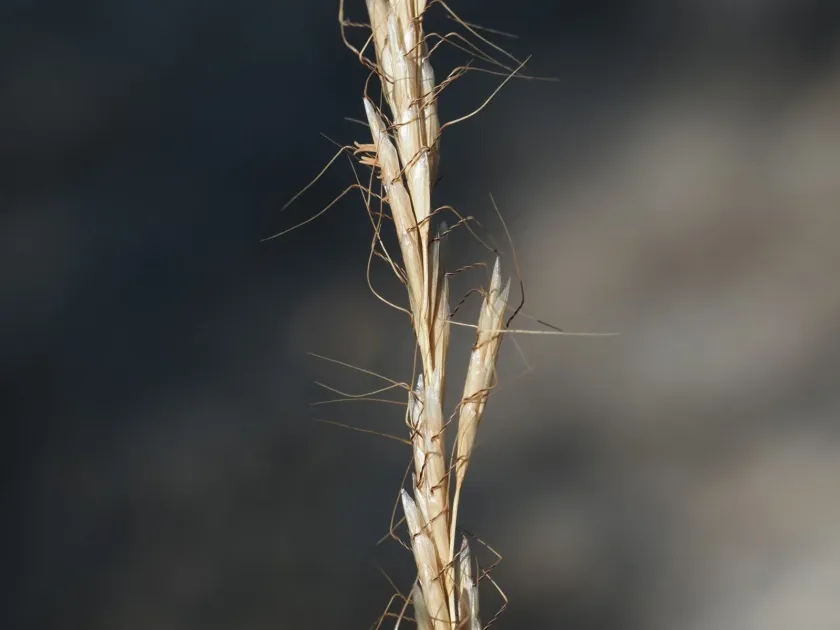
Description
Sowing dates
The sowing of Helictotrichon bromoides is typically planned for the spring period when soil temperatures reach 10–12°C, ensuring optimal germination rates.
Late autumn sowing is also acceptable in temperate climates, allowing seeds to undergo natural stratification, which promotes earlier and more uniform emergence.
When used to create dense ornamental clusters, the sowing density should be approximately 10–15 grams per square meter.
A crucial factor during sowing is shallow soil coverage, no more than 1–2 centimeters, as the small seeds require excellent contact with moist substrate.
After seeding, light rolling of the soil surface is recommended to create favorable conditions for capillary moisture movement toward the seeds.
Growing requirements
Helictotrichon bromoides belongs to the Poaceae family and is a perennial plant that thrives in open, sunny areas with full sun exposure.
The crop is highly drought-tolerant and capable of developing fully in poor, rocky, or sandy soils that possess efficient drainage.
The optimal soil pH level for this plant ranges from slightly acidic to neutral, reflecting its adaptability to various soil types.
The plant does not tolerate waterlogging in the root zone, so when selecting a cultivation site, low-lying areas with high water tables should be avoided.
Native to Mediterranean regions, the plant is well-adapted to moderately warm climates characterized by distinct summer moisture deficits.
Yield
The economic value of Helictotrichon as a high-productivity forage crop is limited due to the rigid texture of its leaves during the mature phase.
Under managed cultivation conditions, green mass productivity depends on mowing frequency and mineral nutrition levels during the early growth stages.
The primary use of the plant today is focused on ornamental landscaping, where the bushy habit and aesthetic structure are valued over biomass volume.
Seed yield in seed production plots averages between 3–5 centners per hectare, provided that strict agronomic standards are maintained.
To maintain the ornamental quality of the stands, an annual pruning of the dry foliage is recommended in spring, which stimulates new blue-grey growth.
Main diseases and pests
The crop exhibits high resistance to most typical grass diseases, making it a valuable candidate for low-maintenance landscape projects.
Under conditions of excessive moisture, fungal diseases affecting leaf blades, such as rust or various leaf spots, may occasionally occur.
Among pests, wireworm larvae pose the greatest danger to young plants by damaging the root system during the early stages of vegetation.
Aphids may infest the panicles during the heading period, though economic damage remains minimal under proper agronomic management.
Disease prevention consists primarily of ensuring excellent site aeration and avoiding overly dense plantings that impede air circulation.
Harvesting
Harvesting of Helictotrichon bromoides seeds is conducted during the full wax ripeness phase, when the panicles take on a characteristic straw-like color.
It is essential to complete the harvest before mass seed shattering occurs, as this is a natural biological trait of the species.
For high-quality seed material, direct combining at low threshing drum speeds is the preferred method to minimize mechanical damage.
Collected seeds must be cleaned of harvest residues and dried to a moisture content of no more than 12–14 percent to prevent storage spoilage.
For ornamental maintenance after the growing season, the above-ground parts of the plant are typically cut back to 5–10 centimeters above ground level.