
Fowl mannagrass
Glyceria striata
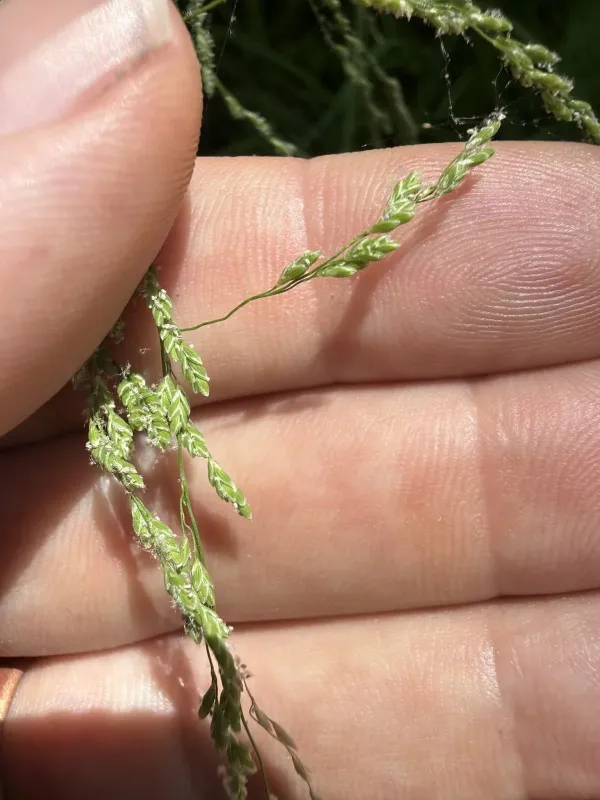
Description
Sowing dates
Fowl mannagrass (Glyceria striata) is a perennial grass species of the Poaceae family. The optimal sowing time is early spring, allowing the seeds to benefit from adequate moisture during germination and initial establishment.
Seeds are small and should be sown at a shallow depth of approximately 1 cm. Using a drill seeder or broadcasting with a following light harrowing ensures the necessary seed-to-soil contact for high germination rates.
The recommended seeding rate is typically 8–10 kg per hectare, depending on the desired density and whether it is being planted as a monoculture or as part of a seed mixture for wetland reclamation.
Initial growth is slow during the first year as the plants focus on developing their root systems and rhizomes. It is critical to manage weed competition during this period to ensure the stand successfully establishes.
Once established, the grass forms a dense, sturdy sod that is capable of competing effectively with other species. Careful site selection is essential, as the species is specifically adapted to damp conditions.
Growing requirements
Fowl mannagrass is a wetland-adapted species that thrives in soil conditions where other forage grasses typically fail due to saturation. It performs exceptionally well in floodplain soils, marshes, and periodically flooded pastures.
The plant prefers nutrient-rich, moist substrates, including organic-rich mucks and silty soils. It demonstrates good tolerance to moderate soil acidity, making it suitable for reclaimed wetlands or low-lying agricultural areas.
This grass is highly cold-hardy and survives harsh winters with ease. Its ability to resume growth early in the spring provides a significant advantage for early-season grazing before warmer-season species become available.
While the species appreciates direct sunlight, it is also noted for its shade tolerance, making it a viable option for planting in partially shaded riparian zones or edges of shelterbelts.
Adequate nitrogen levels are key to maintaining biomass production. In nutrient-deficient wetlands, supplemental fertilization can significantly increase the leaf protein content and overall forage yield.
Yield
The forage productivity of Fowl mannagrass is robust, particularly in environments with high water availability. It produces a substantial amount of palatable, high-protein green biomass that is readily consumed by livestock.
When managed as a hay crop, it can yield multiple cuts per season, provided that soil moisture is not limiting. The quality of the hay is high, provided it is harvested before the plants reach the fully mature, stemmy stage.
As a pasture plant, its ability to withstand treading and grazing pressure is excellent due to its rhizomatous growth habit. It provides a reliable food source in areas where moisture would otherwise preclude the cultivation of more sensitive grasses.
The longevity of a Fowl mannagrass stand can span many years. Proper grazing management, such as rotational grazing, helps maintain the health of the stand and prevents thinning over time.
Beyond forage, the plant is increasingly recognized for its use in bio-filtration and sediment stabilization, acting as an ecological tool in managing farm runoff and protecting water quality in agricultural settings.
Main diseases and pests
Fowl mannagrass is inherently resistant to many common fungal diseases. However, in extremely humid conditions with poor air circulation, some mild foliar diseases can occur, though these rarely impact total yields significantly.
Insects such as grass flies may occasionally target the stalks, but infestations are typically localized. Routine monitoring is usually sufficient to manage any potential issues before they become widespread.
The primary threat during the establishment phase is aggressive weed infestation. If left unchecked, weeds can outcompete the young seedlings, significantly delaying the time until the first harvest.
Overgrazing should be avoided, as it can reduce the vigor of the root system and leave the soil prone to erosion. Maintaining a minimum height of regrowth ensures the grass remains healthy and capable of quick recovery.
In terms of management, timely mowing acts as both a harvest method and a preventative strategy against various pests, keeping the grass in a vigorous, vegetative state throughout the growing season.