
Alpine fescue
Festuca alpina
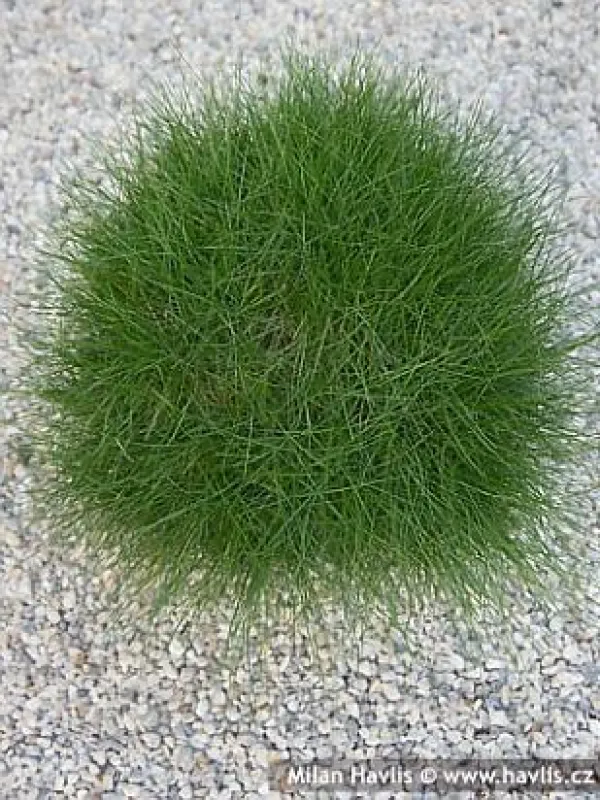
Description
Sowing dates
Alpine fescue (Festuca alpina) is a resilient perennial grass belonging to the Poaceae family, naturally adapted to high-altitude environments and cold climates.
Sowing should ideally take place in early spring or late summer, allowing the seeds to establish before the onset of extreme temperatures or dormant winter periods.
The seeds are relatively small and should be sown at a shallow depth of approximately 1 cm, ensuring they remain in constant contact with moist soil to trigger germination.
It is recommended to use a seed drill or broadcast the seeds followed by light rolling to improve soil-to-seed contact, which is crucial for uniform emergence.
In optimal conditions, germination occurs within two to three weeks, depending on soil moisture content and ambient temperature levels during the establishment phase.
Growing requirements
This species thrives in cool, moist environments and is highly adapted to the harsh conditions typically found in mountainous or sub-alpine regions.
Soil requirements include excellent drainage, as Alpine fescue is highly susceptible to root rot if grown in waterlogged or heavy, poorly aerated soils.
While it is tolerant of low-fertility soils, providing adequate phosphorus and potassium levels during the establishment phase will significantly boost root development.
The plant demonstrates remarkable cold hardiness, capable of surviving sub-zero temperatures and frost without suffering significant damage to its crown.
Alpine fescue prefers full sun exposure to maintain its dense growth habit, although it possesses a moderate ability to handle partial shade in cooler climates.
Yield
The primary agricultural use of Alpine fescue is for establishing erosion-control cover on mountainous terrain and as a source of hardy forage in alpine pastures.
It produces a moderate yield of high-quality foliage that is palatable to livestock, especially during the early vegetative stage before the stalks harden.
The plant's ability to form a deep and extensive root network makes it an excellent choice for stabilizing steep banks and preventing soil degradation.
When used in pasture management, it recovers well from grazing, provided that rotational grazing systems are implemented to prevent overgrazing.
Seed production is generally limited, requiring specific field conditions and careful harvesting to maximize yield and preserve the quality of the planting material.
Main diseases and pests
Common health issues for Alpine fescue include fungal infections such as rust and leaf spot, which often thrive in stagnant, humid air conditions.
Insect pests like grass bugs and aphids can affect plant vitality by feeding on the sap, potentially weakening the stand if not managed through proper monitoring.
Overcrowding of the plants can invite disease outbreaks, making proper thinning and adequate spacing essential during the initial seeding process.
Cultural control remains the most effective defense, prioritizing balanced fertilization and avoidance of over-saturation of the soil during the rainy season.
- Maintain appropriate plant density to ensure good airflow.
- Implement rotational grazing to allow for vegetative recovery.
- Apply preventative fungicides if weather conditions favor fungal development.