
Foxtail fescue
Festuca alopecuros
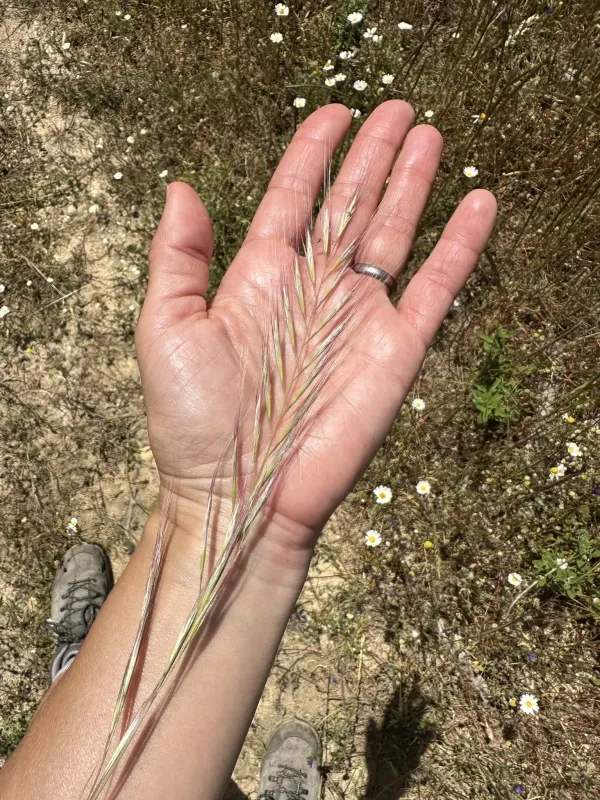
Description
Sowing dates
Foxtail fescue, scientifically known as Festuca alopecuros, belongs to the Poaceae family and is a robust perennial grass used in agricultural systems. Sowing is best performed in early spring or late autumn when soil moisture levels are conducive to seed germination and initial establishment.
Proper seedbed preparation is essential to ensure a high-quality stand; the soil must be firm and fine-textured to allow for consistent planting depth, typically around 1.5 centimeters. Broadcasting or drilling are common methods, followed by rolling to enhance soil-to-seed contact.
Establishing the crop requires careful weed management during the seedling stage. Since the plant initially grows slowly, protecting it from competition with aggressive weeds is vital for the survival and long-term productivity of the pasture or meadow.
Sowing density is determined by the intended use of the crop, whether for intensive hay production or as part of a grazing mixture. Uniform distribution of seeds is achieved by utilizing precise agricultural equipment, which ensures an even stand density across the field.
It is recommended to integrate foxtail fescue into rotations with legumes, as this improves overall soil health and nitrogen availability. Proper planning during the sowing phase is the primary factor in determining the longevity and success of the grassland project.
Growing requirements
This species thrives in temperate climates and prefers well-drained, fertile soil types ranging from sandy loams to heavier clay soils. It shows good resilience to varying soil pH levels, although neutral to slightly acidic conditions are considered ideal for optimal growth.
While the crop is relatively drought-tolerant once established, it demonstrates the highest yields under conditions of consistent moisture supply. During periods of extreme heat, the plant may enter a semi-dormant state to conserve resources, resuming growth once conditions improve.
Nutrient requirements are centered on adequate levels of potassium and phosphorus, which aid in deep root development and overall winter survival. Nitrogen applications should be managed carefully to promote vigorous leaf growth without causing excessive stem lodging.
Sunlight exposure is crucial for the photosynthetic efficiency of the grass. Therefore, it is best suited for open pastures or fields where shading from trees or structures is minimized, ensuring the plant receives full daylight throughout the growing season.
Maintaining proper soil aeration is necessary to prevent the accumulation of pathogens and to support a healthy microbial environment. Implementing sustainable pasture management practices, such as rotational grazing, allows the crop to maintain vigor for several years.
Yield
The yield of foxtail fescue is significantly influenced by management practices and soil fertility. Under intensive cultivation, it can produce multiple high-quality hay cuts throughout the growing season, providing valuable nutrients for livestock.
Harvesting at the correct phenological stage, typically during the early heading phase, is essential to maximize the nutritional profile of the harvested fodder. Delayed harvesting can lead to a decrease in crude protein content and an increase in lignin levels.
Post-harvest recovery is rapid, allowing for secondary or tertiary cuts if environmental conditions are favorable. The aftermath is highly palatable and serves as an excellent source of grazing material for ruminants, enhancing the economic efficiency of the farm.
Seed production yields are dependent on specific management techniques, such as proper timing of desiccants and moisture control during processing. High-quality seeds are vital for future crop success and are in demand for pasture renovation projects.
Overall productivity is sustained by ensuring the crop is not overgrazed, which preserves the root carbohydrate reserves necessary for regrowth. Consistent fertilization and timely weed management ensure the long-term viability of the forage stands.
Main diseases and pests
Common fungal diseases such as leaf rust and powdery mildew represent the primary biological threats to foxtail fescue crops. Management involves maintaining field hygiene and utilizing resistant varieties whenever they are available to producers.
Insect pests, including aphids and various stalk-boring larvae, can damage young tissues and reduce the overall plant vigor. Regular field scouting is the standard method for identifying these threats early and determining if control measures are required.
Root rot and crown diseases often occur due to poor drainage or excessive soil compaction. Improving the physical structure of the soil through light tillage or amending drainage systems are effective preventative measures against these issues.
Weed encroachment is a persistent challenge that can reduce the forage value and longevity of the grass stand. Selective herbicide applications and strategic mowing are frequently employed to keep the crop dominant and healthy in the pasture environment.
An integrated pest management (IPM) approach remains the best strategy for balancing productivity with environmental sustainability. By combining mechanical, biological, and chemical methods, producers can mitigate risks and ensure the stability of the grass population.