
Eragrostis glomerata
Eragrostis glomerata
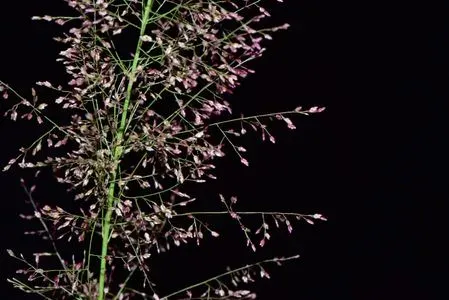
Description
Sowing dates
The optimal sowing window for Eragrostis glomerata is during the onset of the warm season when soil temperatures are consistently above 18 degrees Celsius. Successful germination requires adequate soil moisture levels during the critical initial days after the seeds have been placed in the ground.
Given the minute size of the seeds, they must be sown shallowly, ideally at a depth of 1 to 2 centimeters. Using specialized seeders or broadcasting followed by light harrowing is common practice to ensure that the seeds are not buried too deeply, which would prevent emergence.
Recommended seeding rates generally range between 5 and 10 kilograms per hectare, depending on the desired plant density and the local environmental conditions. High-quality seed with high purity levels is essential for establishing a uniform stand, which is vital for preventing weed encroachment early on.
Post-seeding field management includes roller compaction to improve soil-to-seed contact. This step is crucial for promoting rapid water uptake by the seed, especially in areas prone to seasonal drying, ensuring the seedlings get a head start before the peak heat of the season.
During the establishment phase, weed suppression is the most important agronomic intervention. As the seedlings develop a robust root system, they become increasingly competitive; however, keeping the area free of weeds during the first four to six weeks is standard to ensure the crop dominates the site.
Growing requirements
Eragrostis glomerata is a resilient perennial grass belonging to the Poaceae family. Native to tropical and subtropical regions, this species has evolved to thrive in environments where heat is abundant, making it a highly adaptable plant for agricultural systems in warm climates.
The plant is typically found in habitats with periodic moisture, such as floodplains, riverbanks, and low-lying areas. It exhibits significant ecological flexibility, being able to withstand short periods of waterlogging while simultaneously showing tolerance to the high solar radiation intensity typical of its native range.
In terms of soil, it prefers loose, well-drained substrates but can grow in various soil types including alluvial deposits. It is not overly demanding of high soil fertility, though supplemental nitrogen application can significantly increase the total biomass production in managed pastures.
Botanically, Eragrostis glomerata features dense culms and a fibrous root system that stabilizes the soil and contributes to the plant's longevity. The foliage is rich in protein during the vegetative phase, which enhances its utility as a primary forage source for livestock.
The primary agricultural application for this grass is as a fodder crop. Its capacity for rapid regrowth after grazing or mechanical mowing allows farmers to implement intensive rotational grazing systems, maximizing the nutritional output per unit of land throughout the growing season.