
Eragrostis erosa
Eragrostis erosa
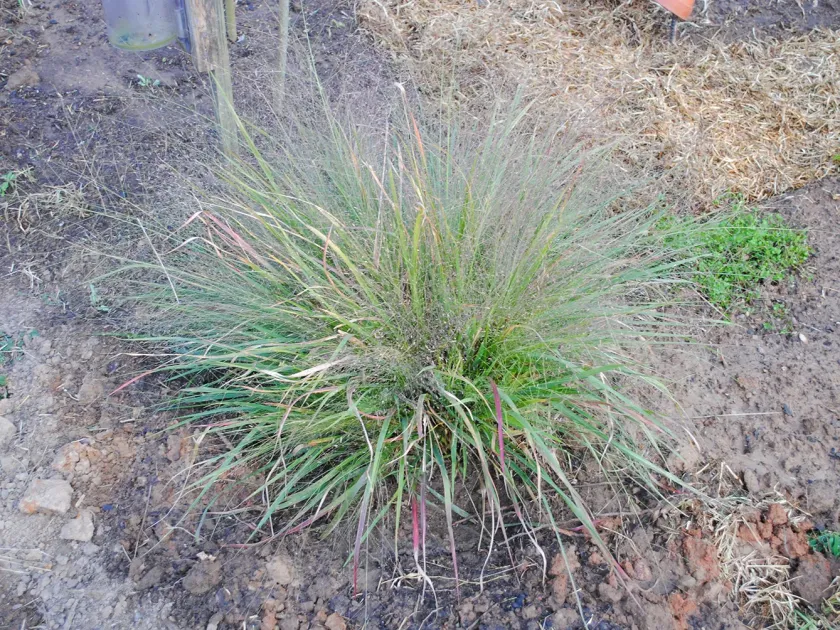
Description
Growing requirements
Eragrostis erosa is a perennial herbaceous plant belonging to the Poaceae family. This species is recognized for its high ecological adaptability, enabling it to thrive in arid and semi-arid environments where other grass species struggle to establish.
The plant is typically found in well-drained, sandy, or gravelly soil types. Its extensive root system provides excellent anchorage, making it a highly effective species for erosion control and the stabilization of disturbed, degraded landscapes.
Eragrostis erosa requires significant exposure to direct sunlight and thrives in areas with low to moderate precipitation. It demonstrates a remarkable tolerance to prolonged drought conditions, which is a key trait for its success in rangeland restoration projects.
The species is generally tolerant of a wide range of soil pH levels, including slightly saline soils. However, it requires good soil aeration to prevent the development of root diseases, as excessive moisture accumulation in the root zone is detrimental to its overall health.
Agronomic management should focus on maintaining a healthy, resilient sward. Practices that minimize soil compaction are encouraged, as the plant relies on deep root penetration to access moisture and nutrients in challenging soil conditions.
Yield
The agricultural utility of Eragrostis erosa primarily focuses on forage production for livestock, particularly in arid regions where high-yield crops are difficult to sustain. It provides a reliable source of green matter for grazing animals.
Yield performance is heavily dependent on moisture availability and soil health. Under favorable conditions, the species produces a robust biomass that can be harvested as hay or utilized as high-quality grazing material, recovering quickly after moderate grazing pressure.
Beyond its value as a feed crop, the plant serves as a vital tool for environmental management. Its capacity to accumulate biomass helps improve soil organic matter, leading to long-term improvements in soil structure and productivity in previously barren areas.
Seed production is an important secondary objective for farmers utilizing this species. Proper harvesting timing is crucial to maximize seed yield and quality, facilitating the expansion of planting areas or the resale of high-quality propagation material.
Economic efficiency in cultivating this species is achieved through low maintenance requirements. As a perennial crop, it provides multiple years of production from a single initial sowing, significantly reducing labor and input costs for the agricultural enterprise.
Main diseases and pests
Eragrostis erosa can be susceptible to typical grass pathogens, including rusts and leaf spots, particularly during seasons characterized by high humidity. Monitoring the phytosanitary status of the sward is essential to prevent significant outbreaks.
Pests such as grasshoppers and various species of stem-boring insects may pose a threat to both vegetative growth and seed production. Integrated pest management strategies, emphasizing biological control and timely grazing cycles, are recommended.
To reduce disease pressure, it is important to manage stand density effectively. Allowing adequate air circulation within the plant canopy helps inhibit the development of fungal infections and reduces the need for chemical intervention.
Grazing management also plays a critical role in disease prevention. By ensuring that livestock do not overgraze, the plant retains enough energy reserves for a healthy immune response, making it more resistant to common diseases and opportunistic pests.
Regular maintenance, including the removal of old, dead plant material, helps minimize the overwintering sites for various agricultural pests. Maintaining a clean and vibrant stand is the best defense against long-term pest and disease issues.