
Eragrostis elegantissima
Eragrostis elegantissima
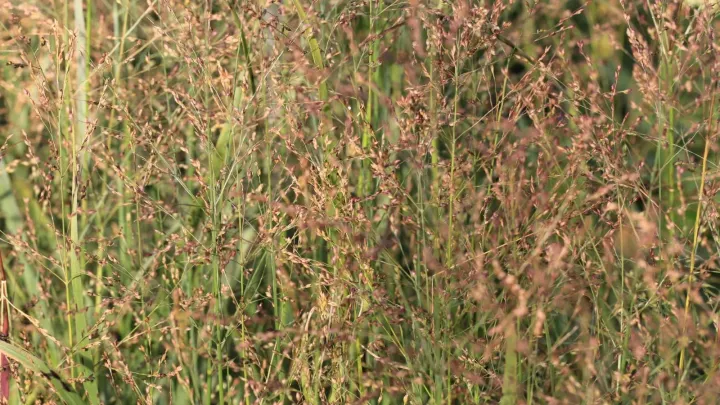
Description
Sowing dates
Eragrostis elegantissima, a member of the Poaceae family, is a thermophilic plant that requires warm temperatures for optimal development. Sowing in open soil should occur in late May, once the danger of late frost has completely passed and the soil has warmed sufficiently.
Indoor seed starting in March or April is a recommended practice to ensure stronger plants before transplanting them outdoors in early June. This approach helps the plants establish more rapidly in the garden.
The seeds of this species are extremely fine and require light to germinate. Therefore, they should be spread on the surface of moist soil and only lightly pressed down without deep covering.
Germination typically occurs within 10 to 14 days when the environment provides stable temperatures around 20–22 degrees Celsius and consistent surface moisture.
Maintaining adequate space between seedlings is crucial. Overcrowded conditions hinder the plant's natural grace and increase the risk of disease due to poor air circulation.
Growing requirements
This species thrives in sunny locations with full exposure to daylight. While it is adaptable to partial shade, full sun is necessary to maintain the structural integrity and aesthetic form of the stems.
The ideal soil for this grass is light, sandy, or loamy, provided it has excellent drainage. It struggles in heavy, waterlogged clay soils, which can lead to root system decay.
Eragrostis elegantissima exhibits moderate drought tolerance, yet it produces the most impressive, lush foliage and abundant panicles when watered consistently throughout the active growing season.
Low to moderate soil fertility is sufficient, although a single light application of balanced fertilizer during the vegetative stage can enhance the overall vigor of the plants.
Protection from strong winds is advisable in exposed areas, as the delicate, airy panicles can be easily damaged or lodged by gusts, losing their decorative appearance.
Yield
The economic value of this culture is primary in the landscaping and floristry sectors, where it is prized for its ornamental value. Yield is measured by the number and quality of flower stalks.
Plants are highly productive when grown in optimal conditions, producing a large number of airy, delicate panicles that are highly valued in both fresh and dried flower arrangements.
For sustainable cultivation, maintaining proper plant spacing is essential to ensure that each individual specimen receives enough nutrients to reach its full potential height and density.
Seed harvesting should be planned carefully; if seed production is not required, deadheading can prevent unwanted self-seeding and redirect plant energy back to the root system.
The total ornamental biomass yield is maximized when plants are kept free from competition with aggressive weeds, ensuring consistent growth patterns throughout the summer.
Main diseases and pests
Excessive humidity and poor ventilation are the primary threats to the health of the plant, often leading to powdery mildew and other fungal outbreaks on the foliage.
Root rot, caused by poor soil drainage or overwatering, is the most common fatal issue for this species. It is crucial to monitor soil moisture levels closely.
Common pests like aphids or spider mites may attack the plant, particularly if the specimen is stressed by drought or nutritional deficiencies during the peak of summer.
Cultural control through regular weeding and proper site selection is the best defense. Maintaining good airflow around the plants significantly reduces the risk of pest colonization.
If fungicide application is necessary, products specifically labeled for ornamental grasses should be used to avoid chemical injury to the delicate foliage.
Harvesting
For dried flower use, panicles should be harvested when they are fully mature but before they begin to shed their seeds or degrade in color.
Harvesting should occur on a dry, sunny day after any morning dew has evaporated. This practice significantly reduces the risk of mold during the subsequent drying process.
Stems should be bundled in small, loose groups and hung upside down in a dark, dry, and well-ventilated area to preserve their natural texture and coloration.
At the end of the season, if the plants are not left for winter interest, they should be mown down, and the residue can be incorporated into compost or utilized as light mulch.
Correct storage conditions, specifically low humidity and protection from direct sunlight, ensure that the dried material remains attractive for use throughout the winter season.