
Eragrostis egregia
Eragrostis egregia
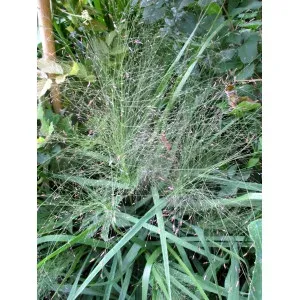
Description
Sowing dates
Sowing of Eragrostis egregia is best performed in the spring, once soil temperatures have consistently risen above 15 degrees Celsius to ensure rapid and uniform germination.
Seeds should be placed at a shallow depth of 1–2 centimeters, as deeper planting significantly reduces the emergence success of these fine seeds.
Post-sowing soil compaction is a vital agronomic practice that ensures the necessary soil-to-seed contact, facilitating efficient moisture uptake for the germinating plants.
A recommended seeding rate typically ranges from 8 to 12 kilograms per hectare, depending on the desired density and local soil conditions.
Early weed control is essential; as this species develops slowly in the seedling stage, it requires a clean field to establish a strong root system.
Growing requirements
Eragrostis egregia is a drought-tolerant species belonging to the Poaceae family, making it highly suitable for arid and semi-arid climatic regions.
The plant thrives in well-drained, sandy, or light-textured soils that allow for deep root penetration and prevent the risks associated with waterlogging.
While the plant is hardy, it responds exceptionally well to starter nitrogen applications, which help the grass overcome the slow early growth phase.
Full sun exposure is a non-negotiable requirement for this grass; it does not tolerate shaded conditions or competition from tall, woody vegetation.
Optimal pH levels for the cultivation of this species range from 6.0 to 7.5, ensuring the availability of essential micronutrients for healthy biomass production.
Yield
Biomass production is optimized through a managed cutting schedule, allowing for multiple harvests within a single growing season under irrigation or adequate rainfall.
Under optimal agronomic management, this grass can yield 40 to 60 decitons of dry matter per hectare, serving as a reliable component of the forage base.
Nitrogen fertilization after each cutting cycle is recommended to stimulate rapid regrowth and maintain the high protein content of the foliage.
Seed harvesting requires precision as the panicles ripen unevenly; monitoring the color change of the seeds is crucial to minimize shattering losses.
Sustainable pasture management involves rotational grazing or cutting patterns to ensure that the root system remains vigorous for successive years.
Main diseases and pests
The primary phytosanitary risks include rust and powdery mildew, which can develop in dense stands during periods of high humidity and poor ventilation.
Common insect pests like aphids or grasshoppers may occasionally damage the foliage, leading to reduced photosynthesis and overall stand vigor.
Root rot is a significant threat when soil drainage is poor, particularly in low-lying areas where water accumulates after heavy rainfalls.
Preventative measures such as proper spacing and the use of resistant varieties, if available, are critical for minimizing the impact of these pests and diseases.
Monitoring the field for early signs of infection and utilizing integrated pest management practices can prevent widespread damage to the crop.
Harvesting
The initial harvest should take place at the onset of the heading stage to maximize the feed value and digestibility of the harvested grass.
Drying the material for hay is efficient due to the thin, fine leaf structure, which allows for rapid moisture loss in favorable weather conditions.
When producing silage, uniform chopping and proper packing are essential to achieve the desired fermentation profile and storage stability.
Cutting height should be maintained at 5–7 centimeters to protect the plant crowns and promote quicker recovery of the vegetative canopy after the harvest.
Final harvest activities should conclude early enough before the onset of extreme cold to allow the plants to store reserves for winter dormancy.