
Eragrostis domingensis
Eragrostis domingensis
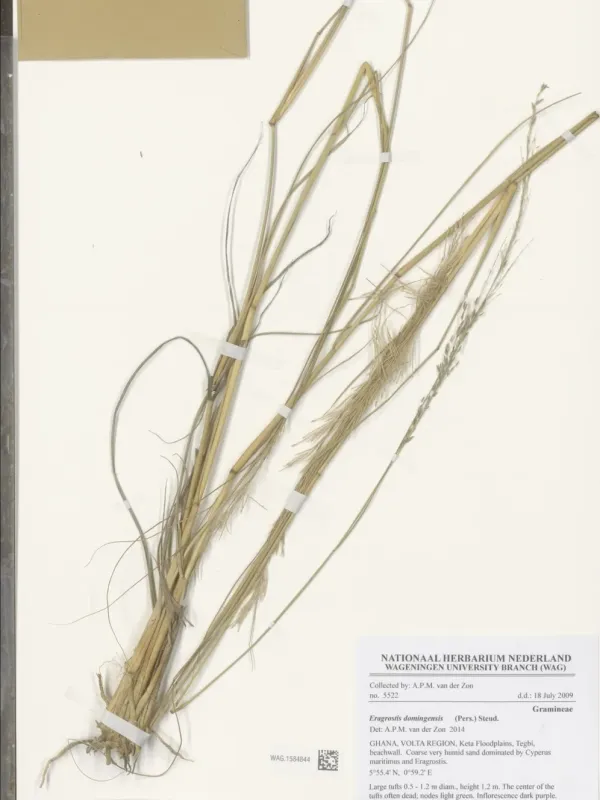
Description
Sowing dates
Eragrostis domingensis is a perennial grass belonging to the Poaceae family. Sowing is typically performed at the onset of the rainy season when soil moisture and temperatures are favorable for germination and establishment of the root system.
Seeds are extremely small, requiring a shallow sowing depth of approximately 1-2 centimeters. Precision seeding is necessary to ensure optimal plant density and uniform coverage across the field, minimizing the need for manual thinning later.
The field must be well-prepared with a fine, firm tilth. Compacted soil or clods can hinder the emergence of delicate seedlings, so thorough soil preparation prior to sowing is an essential agronomic practice for this species.
Row planting is generally preferred to facilitate post-emergence management, such as weeding and fertilization. This spacing encourages adequate airflow and access to sunlight, which are vital for the healthy development of this light-demanding grass.
Maintaining seed viability through proper storage is crucial. Given the small seed size, producers should avoid deep sowing, as this is one of the most common reasons for poor stand establishment in tropical grasses.
Growing requirements
This grass thrives in full sun and is highly sensitive to shading. It requires open areas to maximize photosynthetic capacity and achieve high biomass yields, making it unsuitable for intercropping under dense tree canopies.
The ideal soil profile for Eragrostis domingensis consists of well-drained, sandy or light loam soils. It shows moderate tolerance to drought but does not withstand prolonged waterlogging, which can rapidly lead to root decay.
Nutrient management, particularly nitrogen application, plays a significant role in increasing leaf production. Balanced fertilization ensures the grass remains vigorous, promoting rapid recovery after grazing or harvesting cycles.
The climate should remain consistently warm throughout the growing season. While the species is well-adapted to tropical conditions, it relies on periodic rainfall for sustained growth; supplemental irrigation can be beneficial during dry spells.
The plant exhibits excellent regrowth potential. By managing the cutting height and ensuring that energy reserves in the roots are not depleted, producers can maintain the stand for several productive seasons.
Main diseases and pests
Root rots caused by pathogenic fungi are the primary threat during periods of excessive rainfall or poor drainage. These conditions weaken the plant and can cause significant patchiness in the field if left unmanaged.
Insect pests, including various leaf-eating larvae and grasshoppers, can periodically infest the foliage. Regular scouting of the field is necessary to identify thresholds where intervention is required to prevent economic damage.
Weed control is essential during the early establishment phase. As the grass grows slowly at the start, competitive weeds can easily overtake the crop, demanding mechanical or chemical interventions to protect the seedlings.
Maintaining proper field hygiene is the best strategy for long-term health. Avoiding continuous monoculture and ensuring optimal nutrition help the grass maintain natural resistance against common pathogens and stressors.
Producers should monitor for signs of nutritional stress or pest activity regularly. Early detection is the most effective way to manage potential threats while maintaining high productivity and quality of the forage material.