
Eragrostis atrovirens
Eragrostis atrovirens
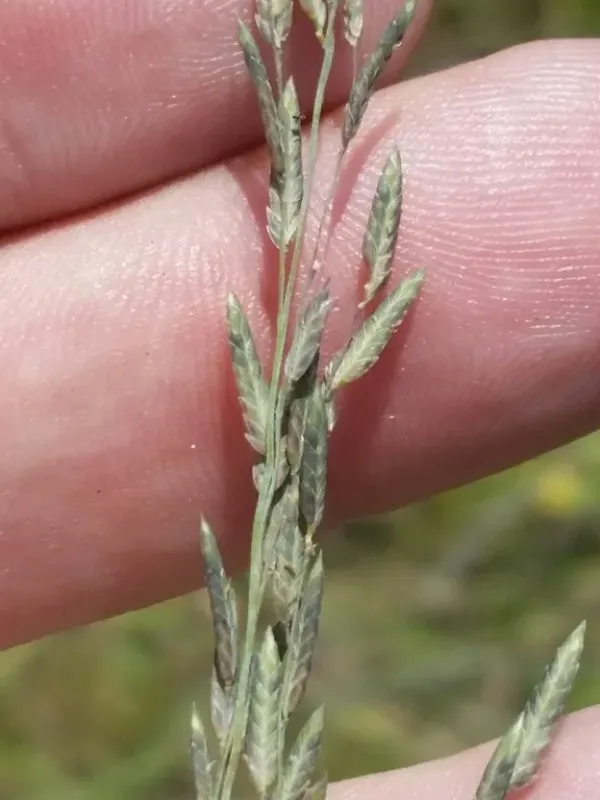
Description
Sowing dates
Sowing of Eragrostis atrovirens is carried out in warmed soil once the risk of spring frosts has passed. The optimal period for establishing the sward is late spring or early summer to ensure uniform germination.
The seeds of this species are very fine, so the sowing depth must be minimal, not exceeding 1–2 centimeters. Surface sowing followed by light rolling promotes better contact between the seeds and the soil.
The seeding rate is calculated based on seed viability and the intended use of the stand. For pasture establishment, row planting with spacing of up to 20 centimeters is preferred to allow for optimal plant density.
Maintaining stable soil moisture during the first two weeks after sowing is essential for rapid germination. The crop is particularly sensitive to water deficiency during the seedling emergence phase.
In regions with prolonged, cool springs, sowing dates should be delayed to prevent damage to seedlings in soil that has not yet reached the required biological activity temperature.
Growing requirements
Eragrostis atrovirens is a perennial herbaceous plant belonging to the grass family (Poaceae). Native to tropical and subtropical regions of Africa and Asia, it is well-adapted to high levels of sunlight and heat.
The plant prefers well-drained sandy loam or loam soils with a neutral to slightly acidic pH. It demonstrates excellent tolerance to temporary waterlogging, a trait inherited from its natural habitat in coastal zones.
Being a heat-loving crop, its productivity is maximized at air temperatures ranging from +22 to +30 degrees Celsius. Optimal growth is achieved when the soil is well-supplied with nitrogen nutrients.
Management involves regular weeding between rows during the first year of growth to reduce competition. Once established, the robust root system of Eragrostis effectively suppresses most invasive weed species.
Successful cultivation requires sufficient light exposure. In shaded conditions, vegetative biomass development slows down significantly, which negatively impacts the nutritional quality of the final harvest.
Yield
The biomass yield of Eragrostis atrovirens depends on soil fertility and the fertilizer management regime. Under intensive cultivation, the crop is capable of producing multiple cuts during a single growing season.
Maximum nutritional value is achieved by harvesting during the stem elongation phase or at the very beginning of heading. This provides a balance of protein and structural fibers optimal for livestock feeding.
After each cutting, the grass exhibits rapid regrowth, making it highly suitable for rotational grazing systems. The plant's high tillering capacity ensures a dense sward throughout the growing cycle.
Stand productivity is maintained for 4–6 years with proper fertilization practices. After this period, natural thinning usually occurs, requiring reseeding or field renovation to maintain high yield levels.
Hay produced from this crop is valued for its excellent leaf-to-stem ratio and pleasant aroma, which is preserved during storage if drying and moisture management protocols are strictly followed.
Main diseases and pests
The species is considered relatively resistant to most common grass diseases. However, under conditions of excessive moisture and high planting density, fungal issues like rust or powdery mildew may occur.
Pests such as grass aphids or meadow moths can cause damage during the initial vegetative stages. Regular phytosanitary monitoring allows for timely intervention if pest populations reach economic threshold levels.
Special attention should be paid to soil-dwelling pests, such as wireworms, which may damage the root system in the first year. Proper crop rotation helps to minimize these risks significantly.
Most disease outbreaks are linked to poor agricultural practices, such as water stagnation or over-application of nitrogen, which weakens plant immunity. Selecting well-drained fields is the primary preventative measure.
Biological control strategies, including the use of beneficial insects and limiting the use of broad-spectrum pesticides, help maintain a healthy ecological balance within the managed field.
Harvesting
The harvest timing is determined by the phenological stage of the plant, ensuring the best balance between biomass volume and nutrient content. Early harvesting provides higher quality feed, albeit in smaller quantities.
The harvest technology involves mowing followed by tedding to reach a moisture content of 15–17 percent for hay storage. This ensures stability and prevents spoilage during long-term storage.
For silage production, harvesting is performed at higher moisture levels, followed by proper compaction in silos to preserve nutrients and facilitate optimal fermentation processes.
Leaving a stubble height of 6–8 centimeters is critical to ensure rapid regrowth and protect the crown of the plant from damage during machinery operations, promoting longevity of the stand.
Mechanized harvesting with wide-span equipment allows for the rapid completion of work, preventing the crop from becoming over-mature and reducing the lignification of stems.