
Dichanthelium strigosum
Dichanthelium strigosum
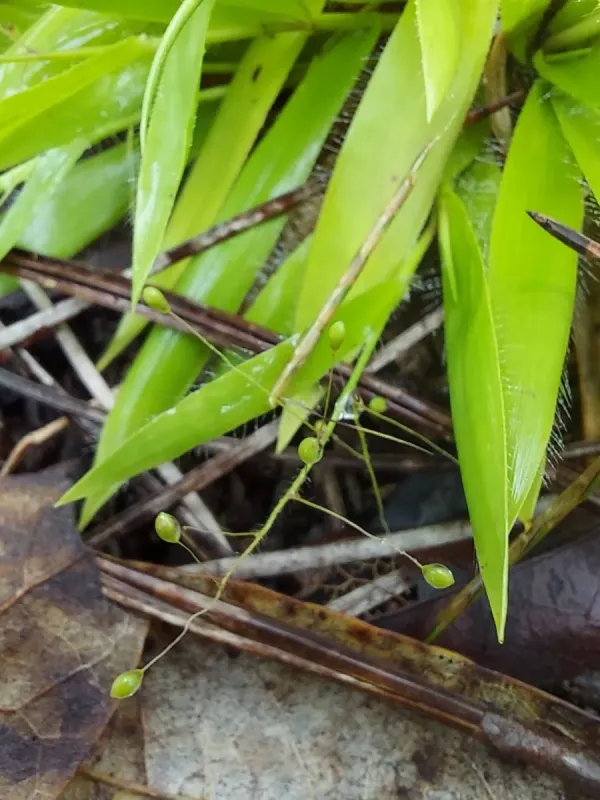
Description
Growing requirements
Dichanthelium strigosum is a perennial grass species belonging to the Poaceae family. Originating from the Americas, it is widely distributed across various natural grasslands and forest margins.
The plant thrives in well-drained, sandy, or loamy soil types. It is particularly noted for its ability to tolerate nutrient-poor substrates, which allows it to colonize diverse landscapes effectively.
Regarding climatic preferences, this species requires full to partial sun exposure. It displays significant resilience to drought, making it a robust option for semi-arid environmental conditions.
Botanically, the plant is characterized by its paniculate inflorescences and stems covered with fine, stiff hairs. This pubescence is an evolutionary trait that aids in water retention and protection against high solar radiation.
In terms of agricultural and ecological use, the species is valuable for soil stabilization and as a component of natural forage systems, contributing to biodiversity in managed grazing lands.
Main diseases and pests
The main pathological threats to the health of Dichanthelium strigosum include fungal pathogens such as rusts and smuts, which can affect foliage and reproductive structures during high-humidity seasons.
Pests typically associated with this grass species include aphids, leafhoppers, and various caterpillars that feed on the soft tissue of the leaves and stems, potentially reducing biomass yield.
Invasive weed competition poses a serious threat to established colonies, as these plants may outcompete the grass for nitrogen and essential soil minerals.
Overgrazing represents a major mechanical threat, as frequent defoliation does not provide sufficient time for the plant to replenish its root reserves, leading to gradual decline.
Maintaining a healthy environment requires appropriate management practices, including balanced soil fertility and the monitoring of plant health to mitigate the spread of local fungal diseases.