
Feather fingergrass
Chloris virgata
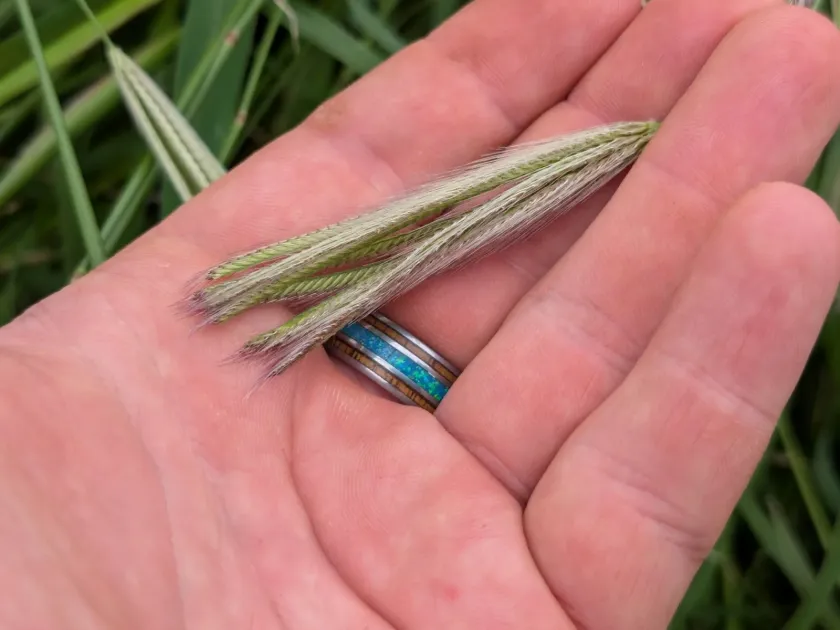
Description
Sowing dates
Feather fingergrass is an annual grass species that belongs to the Poaceae family. It is recognized as a significant weed in agricultural settings, known for its rapid development cycle and prolific seed production throughout the growing season.
The germination of seeds typically begins when soil temperatures reach +15°C to +20°C. In optimal conditions, the plant can reach maturity and produce viable seeds within six to eight weeks, leading to multiple generations per season in warmer climates.
Management of this weed requires vigilant monitoring of fields during the early stages of crop development. Due to its fast growth, even short delays in mechanical weeding or herbicide application can result in significant seed bank accumulation.
Cultural control practices, such as the use of competitive cover crops, can suppress the growth of feather fingergrass by limiting its access to sunlight. Dense crop stands are significantly less susceptible to heavy infestation.
Post-harvest management is also crucial to ensure that late-season plants are terminated before they can drop their seeds. Effective field sanitation prevents the weed from spreading to neighboring areas during the next season.
Growing requirements
Feather fingergrass thrives in high-light environments and is commonly found in fields, roadsides, and disturbed soils. It shows high adaptability to varying soil types, ranging from sandy textures to heavier loams.
The plant is highly drought-tolerant, which gives it a competitive advantage over many commercial crops during dry spells. Its metabolic efficiency allows it to maintain growth even under extreme heat stress conditions.
Soil pH levels ranging from slightly acidic to slightly alkaline are optimal for its proliferation. While it can withstand moderate soil compaction, it generally avoids waterlogged or anaerobic soil conditions.
Effective establishment of the species is linked to its ability to colonize gaps in crop canopies. It is widely distributed across temperate and tropical regions, demonstrating high phenotypic plasticity in response to regional environmental factors.
The weed does not require high nitrogen levels but will respond vigorously to fertilization if it is present. This makes it a serious competitor in high-input agriculture systems where soil nutrients are readily available.
Main diseases and pests
Chloris virgata acts as an alternative host for several crop-damaging viruses and fungal pathogens. Infestations along field margins can serve as a reservoir for diseases that eventually migrate into the primary crop.
Alleopathic activity has been observed in feather fingergrass, where chemical compounds released by the plant inhibit the germination and early vigor of neighboring crop seedlings. This interference often leads to yield losses.
Insects such as aphids and various grass-feeding bugs often use the plant as a refuge. These pests pose a secondary threat by potentially introducing viral vectors into the main crop field, requiring integrated pest management.
Resistance to glyphosate and other common herbicides has been reported in various regions. Farmers must employ an integrated weed management strategy that rotates chemical modes of action to maintain control over populations.
Mechanical destruction is effective if done early, but late-stage plants are difficult to uproot completely. The combination of tillage and systematic herbicide programs is recommended to keep infestations at manageable levels.