
Axonopus purpusii
Axonopus purpusii
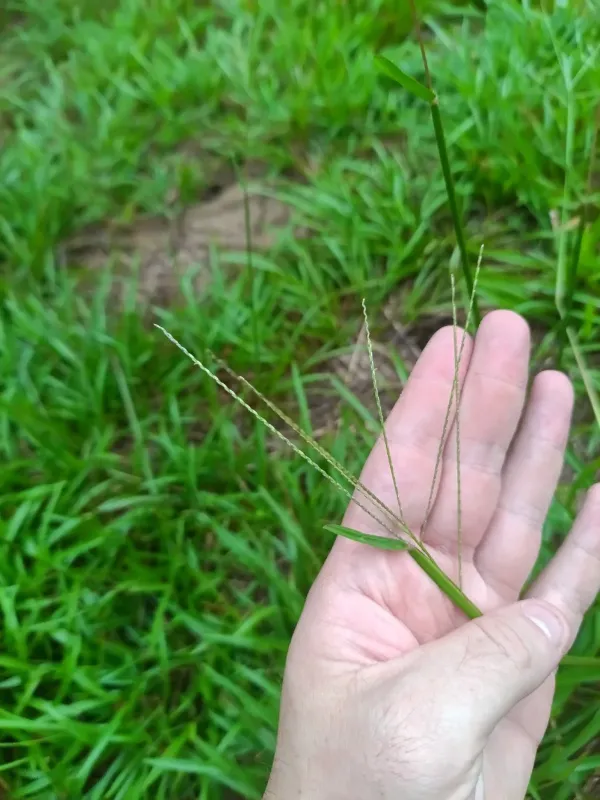
Description
Sowing dates
Sowing of Axonopus purpusii is primarily conducted at the onset of the rainy season, when soil moisture is sufficient to support seed germination. In tropical climates, this ensures an optimal vegetative period, allowing the grass to establish a robust root system before the dry season begins.
The recommended seeding rate ranges from 3 to 5 kg per hectare, provided that high-quality seeds with strong germination energy are used. Planting can be performed using row drills or by broadcast seeding onto prepared soil surfaces.
Light soil coverage is essential because the seeds are small and prone to desiccation if left on the surface. During the first few weeks after emergence, effective weed control is crucial to prevent competition from more aggressive weeds that could stunt seedling development.
To accelerate germination, seed pre-treatment or the use of coated, pelleted seeds is recommended. The rate of emergence is strictly dependent on soil temperature, which should ideally be between 22 and 25 degrees Celsius for optimal results.
The species also propagates successfully through vegetative means, such as the division of sod clumps. This method is frequently utilized on smaller plots or for the restoration of degraded pasture areas where seed-based establishment is not the primary goal.
Growing requirements
Axonopus purpusii is a member of the Poaceae family, native to Central and South America. It is a perennial grass specifically adapted to the ecological conditions of humid, seasonally flooded savannas.
The crop thrives in acidic, nutrient-poor soils where other conventional grass species often struggle to grow, making it highly valuable for the development of latosols and degraded lands.
The plant exhibits remarkable tolerance to prolonged waterlogging and flooding, allowing it to occupy low-lying areas that are unsuitable for traditional pasture species. Despite this, it remains capable of maintaining viability during moderate drought conditions.
Good light exposure is a requirement for optimal growth, as the plant does not perform well under dense forest canopy. The ideal temperature range for its physiological development aligns with the tropical zones of its origin.
The species is responsive to phosphorus fertilization, which is often the limiting factor for root development in acidic savanna soils. When properly managed with adequate nutrition, the grass forms a dense sod that resists physical wear.
Yield
The biomass yield of Axonopus purpusii varies significantly based on soil fertility and pasture management practices. Under favorable conditions, the yield is typically between 5 and 8 metric tons of dry matter per hectare annually.
The nutritional profile of the forage shows moderate crude protein content, positioning it as a reliable component in the diet of ruminants. For improved cattle performance, it is highly recommended to integrate this grass with legumes.
The rate of regrowth after grazing or harvesting is the primary factor influencing the total seasonal production. With controlled grazing pressure, the plant is capable of maintaining a consistent and sustainable supply of biomass.
Intensive farming systems can improve yields through regulated grazing, which prevents overgrowth that could lead to the loss of nutritional value. Overgrazing, however, can lead to the deterioration of the dense sod layer.
The true value of this crop lies in its stability and reliability as a feed source throughout the year, which is critical for supporting livestock production in tropical environments characterized by fluctuating climate conditions.
Main diseases and pests
One of the primary biological constraints for this crop involves fungal diseases affecting the root system, which are often triggered by excessive water stagnation over extended periods.
Pests such as various species of cutworms can cause localized damage during outbreaks, feeding on the leaf blades and significantly reducing the available biomass for livestock.
To mitigate the spread of disease, it is essential to manage stocking density carefully and avoid overcrowding, as damaged sod can easily become a gateway for secondary infections.
The plant is relatively resistant to most common agricultural pests due to the presence of rigid hairs on the leaf surfaces; nevertheless, agronomists should conduct regular field monitoring.
If pest infestations occur, integrated pest management approaches, including biological control, are recommended to minimize environmental impact and ensure that the pasture remains safe for animal grazing.
Harvesting
Grazing or harvesting of Axonopus purpusii should be performed during the active growth phase, prior to flowering, to ensure the highest possible concentration of nutrients in the foliage.
For hay production, rapid drying is critical because high humidity in tropical environments complicates the storage of harvested forage. Silage production is also a viable option for long-term feed conservation.
Rotational grazing systems are considered the most effective management strategy for this species, as they allow the plant to recover and prevent the depletion of carbohydrate root reserves.
To ensure fast regrowth from basal meristems, the residual stubble height should be maintained at a minimum of 5 to 7 centimeters after grazing or mowing.
Management planning must integrate harvest cycles with grazing schedules to avoid feed shortages during the off-season and ensure balanced use of pasture resources throughout the year.