
Axonopus furcatus
Axonopus furcatus
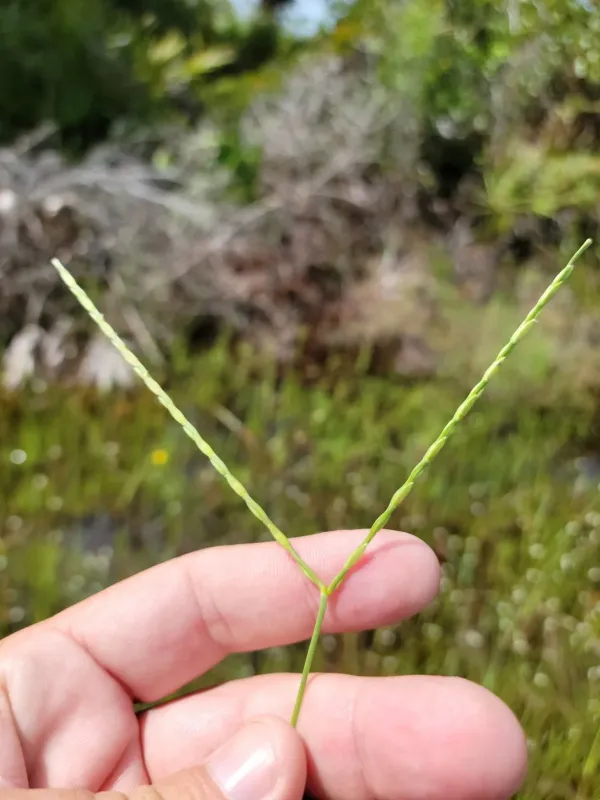
Description
Sowing dates
Axonopus furcatus is a perennial grass belonging to the Poaceae family. It is primarily valued for its stoloniferous growth habit, which allows it to spread rapidly across moist landscapes, forming a dense and resilient turf.
Propagation is typically achieved through vegetative means by planting sod or cuttings, although seeding is an option in regions with favorable, warm climates. The seeds require warmth and consistent moisture to germinate successfully.
Planting should be timed to avoid frost, ideally in late spring when temperatures are consistently warm. This allows the root system to establish itself before the onset of extreme summer heat or seasonal stressors.
When seeding, a shallow depth of no more than 2 centimeters is recommended to ensure optimal contact with the soil. Proper site preparation is essential to eliminate competing weeds that could choke out the seedlings.
Once established, the grass spreads via creeping stolons, allowing it to colonize bare ground efficiently without the need for additional seeding in subsequent years.
Growing requirements
This species is native to tropical and subtropical regions of the Americas and is highly adapted to wet, waterlogged, or poorly drained soils where other forage crops might struggle.
One of the most notable characteristics of Axonopus furcatus is its ability to thrive in acidic and nutrient-poor soil conditions. It is remarkably resilient and requires very little in terms of soil amendments or fertilizers.
While the plant prefers open, sunny locations, it possesses a degree of shade tolerance, making it a suitable option for silvopastoral systems where trees provide periodic shade for grazing livestock.
The optimal temperature range for active growth lies between 20 and 30 degrees Celsius. It is a warm-season grass that enters dormancy during cooler periods and will not survive hard freezes.
Due to its hardiness, it requires minimal agro-technical maintenance. Its ability to create a thick mat of vegetation makes it an excellent choice for stabilizing soil on banks or erosion-prone slopes.
Yield
The primary use of Axonopus furcatus is as a forage grass for cattle grazing in tropical regions. It is well-regarded for its high resistance to trampling and its ability to withstand intensive grazing pressure.
Yield depends heavily on moisture levels; under high-humidity conditions, the plant produces consistent biomass. It is highly valued in regions where other grasses would fail due to waterlogging or soil acidity.
For best results in farming, a rotational grazing system is advised. This practice helps manage the density of the turf and allows the plant to recover and maintain its nutritional profile throughout the grazing season.
While its individual nutritional value is considered moderate, the total output per hectare is high due to its aggressive growth habit and year-round availability in suitable climates.
The plant also serves as a ground cover that helps suppress invasive weed species, protecting the pasture from encroachment and maintaining the overall quality of the forage area.
Main diseases and pests
Axonopus furcatus is susceptible to various fungal pathogens, especially in areas where stagnant air and high humidity lead to prolonged moisture accumulation on the foliage.
Pest issues generally involve ground-dwelling larvae or sucking insects like leafhoppers. These can impact root development or weaken the overall plant vigor if infestations become significant.
Management of pests and diseases focuses on cultural practices, such as maintaining appropriate stocking densities and ensuring that the grass is periodically grazed or mowed to encourage new, healthy growth.
Chemical control is rarely utilized in pasture settings to protect the health of livestock. Therefore, monitoring for signs of stress or pathogen outbreaks is the primary method of risk management.
Good drainage management, where possible, and rotational grazing remain the most effective methods to prevent the build-up of dead plant matter that could harbor diseases.