
Gerard's foxtail
Alopecurus gerardii
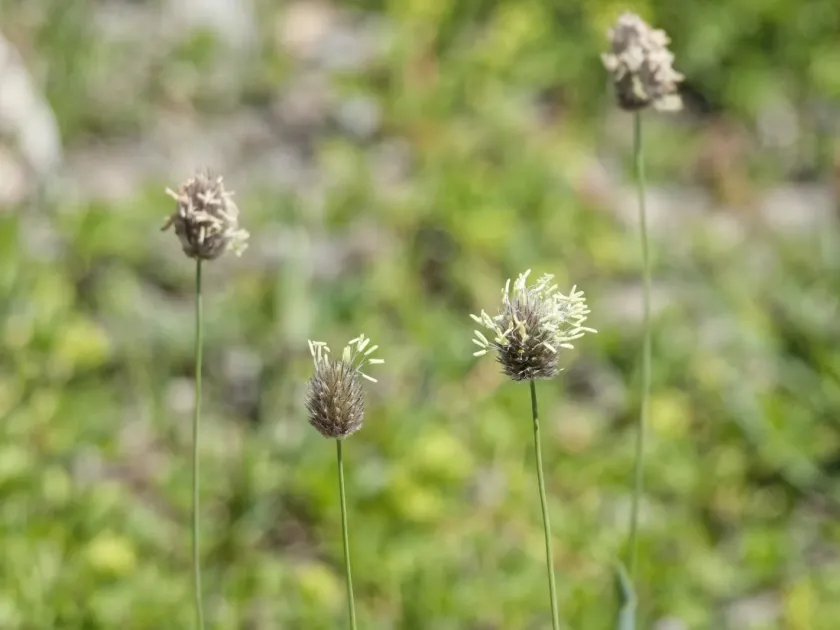
Description
Sowing dates
Gerard's foxtail is typically established through direct seeding in early spring, allowing the seeds to benefit from adequate soil moisture during the germination phase.
Preparation of a fine, firm seedbed is essential to ensure consistent planting depth and optimal soil-to-seed contact, which promotes uniform emergence across the field.
Seeds should be sown at a shallow depth of approximately 1-2 cm, as deeper placement can significantly reduce the establishment success of this small-seeded species.
Row spacing is generally maintained between 15 and 20 cm, which balances the need for weed suppression with the grass's requirement for adequate airflow and light.
Post-seeding compaction using a roller is recommended to stabilize the soil surface and maximize the efficiency of water uptake by the developing seedlings.
Growing requirements
This grass thrives in moist habitats and is particularly well-adapted to meadows, floodplains, and areas with high water tables, reflecting its natural evolution.
The species exhibits impressive winter hardiness, making it an excellent candidate for regions with harsh climates where other forage grasses might fail to survive.
It prefers fertile loam or peat-based soils with a neutral pH, although it shows a moderate tolerance for varying soil textures including those with slight acidity.
While the plant requires sufficient sunlight for optimal flowering and seed production, it can tolerate partial shade, allowing for its use in diverse landscape settings.
Adequate soil aeration is important; therefore, avoiding long-term water stagnation, despite the plant's love for moisture, is key to maintaining a healthy root system.
Yield
When managed properly with nitrogen applications, Gerard's foxtail is highly productive, offering multiple cuts of high-quality forage throughout the growing season.
The yield of dry matter is competitive with other perennial grasses, making it a reliable source of winter fodder for livestock in traditional agricultural systems.
Nutritional value peaks just before flowering, providing high levels of digestible protein and energy that are essential for animal growth and maintenance.
Seed production is consistent, and with appropriate harvesting technology, yields can be sufficient to support both internal use and the demands of the seed market.
Long-term productivity can be sustained for several years through proper grazing management or mechanical harvesting that avoids over-exploitation of the crown.
Main diseases and pests
Pathogenic fungi, including rusts and powdery mildew, represent the primary disease threats, especially during seasons characterized by prolonged high humidity.
Common insect pests such as cereal flies and moths can affect both the vegetative biomass and the reproductive development of the plants if not managed early.
Effective prevention involves maintaining field hygiene, which includes the removal of old crop residues where spores and insect larvae may overwinter.
Integrated pest management strategies should prioritize mechanical and cultural controls before resorting to chemical treatments to maintain the ecological balance of the meadow.
Monitoring the crop throughout the stem elongation phase allows for early detection of infestations, facilitating targeted interventions that minimize total damage.
Harvesting
For high-quality hay production, harvesting should be performed during the heading stage, prior to the onset of full flowering to maximize nutrient density.
When harvested as green fodder, the plant shows strong regrowth potential, provided that a sufficient stubble height of 5-7 cm is left to preserve energy reserves.
Seed harvesting requires precise timing to catch the crop at the peak of maturity, using combine harvesters equipped to minimize shatter losses during operation.
Post-harvest processing involves rapid drying to reach a safe moisture content, ensuring that the stored material remains free from spoilage and mycotoxin formation.
Proper storage in well-ventilated barns or under covers is necessary to maintain the physical integrity and feed quality of the harvested grass over the winter months.