
Pourret's Bent
Agrostis pourretii
Description
Growing requirements
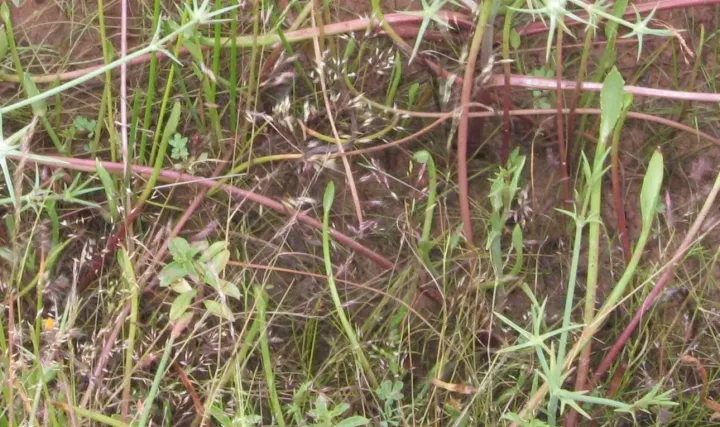
Pourret's Bent (Agrostis pourretii) is a perennial grass species belonging to the family Poaceae. It is characterized by its slender growth habit and fine leaf texture, which are common traits among the genus Agrostis, making it a suitable candidate for specific pasture environments.
The native range of this species includes parts of Western Europe and the Mediterranean region. It thrives in temperate climates and is often found in habitats that provide moderate to high levels of soil moisture throughout the growing season.
The plant demonstrates a preference for sandy or loamy-sandy soils that offer good aeration while maintaining adequate moisture retention. It is generally intolerant of prolonged extreme drought but adapts well to fluctuating soil water levels.
Agricultural management of Pourret's Bent involves careful soil preparation to ensure a uniform seedling emergence. Proper fertilization with nitrogen, phosphorus, and potassium is essential during the early developmental stages to promote robust root system establishment.
In terms of хозяйственное usage, it is highly valued in forage production systems for grazing livestock. Its high palatability and ability to recover after grazing make it an excellent component for permanent pasture mixtures in suitable climatic zones.
Main diseases and pests
The crop is susceptible to common fungal pathogens, including rusts and powdery mildew, especially in humid conditions with poor air circulation. Effective management involves maintaining an appropriate grazing frequency to prevent the buildup of dense, stagnant canopy layers.
Insect pests such as grass mites and various species of larvae can affect the plant during the vegetative stage, leading to reduced overall biomass production. Utilizing balanced crop rotation and integrated pest control strategies helps maintain field health and longevity.