
Bentgrass
Agrostis perennans
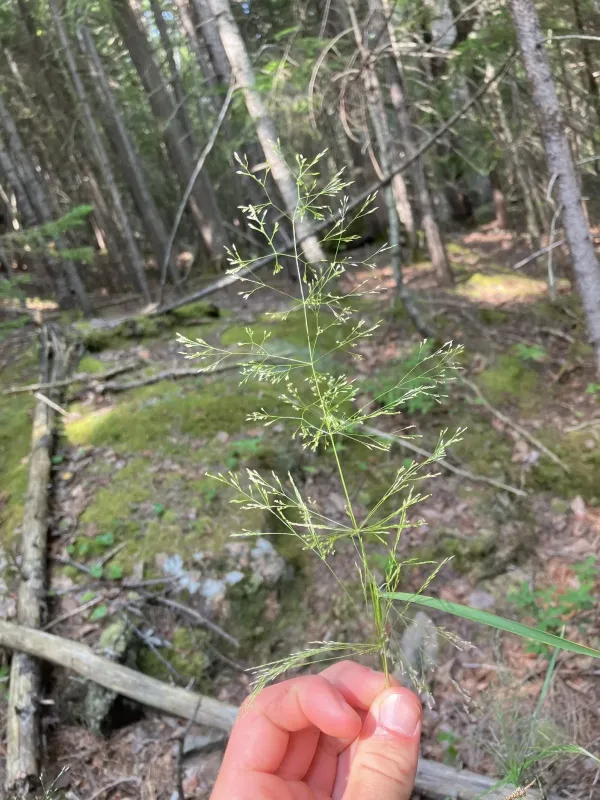
Description
Sowing dates
Bentgrass (Agrostis perennans) is a robust perennial species belonging to the Poaceae family, widely recognized for its adaptability to various climatic conditions.
The optimal time for sowing is during the spring months, as increasing soil temperatures promote germination and establishment of the root system.
Due to the fine size of the seeds, they should be sown on the surface or buried at a very shallow depth, ideally not exceeding 1-2 centimeters.
Proper seedbed preparation, including fine-tilling and firming the soil with a roller, is essential for ensuring good soil-to-seed contact and rapid emergence.
If sowing in late autumn, it is important to ensure the seeds do not germinate before winter, as this could lead to damage from frost in early stages of development.
Growing requirements
This grass species performs best in moist, well-drained loamy soils but displays remarkable resilience in various soil types, including those with moderate acidity.
Bentgrass is well-suited for temperate climates and exhibits good shade tolerance, which allows it to be used in diverse landscape and pasture environments.
While the plant can withstand short periods of drought, consistent moisture levels during the active growth season are crucial for achieving maximum biomass production.
Regular fertilization, especially with nitrogen-based products, is highly beneficial for maintaining the vigor and density of the grass sward over several years.
Adequate sunshine is preferred for optimal photosynthesis, though the plant remains productive even in areas where cloud cover is frequent.
Yield
The yield of Bentgrass is highly dependent on effective sward management, including rotational grazing and targeted fertilization schedules throughout the year.
With proper care, this grass can provide multiple cuts per season, resulting in significant quantities of nutritious green forage suitable for various livestock.
Quality and nutritional density are highest during the vegetative stage, which dictates the ideal timing for harvesting or controlled grazing activities.
The longevity of a productive sward typically ranges from five to seven years, provided the soil fertility is maintained and weed invasion is kept to a minimum.
By implementing best agricultural practices, farmers can maintain a high-quality forage supply, supporting sustainable livestock production systems.
Main diseases and pests
Common fungal diseases such as rust and powdery mildew can affect the canopy, particularly under conditions of poor air circulation and high humidity.
Insect pests, including various species of grass-feeding flies and aphids, can cause localized damage if populations are not monitored and managed.
Prevention is the primary line of defense, achieved through appropriate stocking rates, maintaining proper soil fertility, and observing crop rotation patterns.
In cases of severe infestation, targeted application of environmentally safe fungicides or insecticides may be necessary to protect the yield quality.
- Monitoring for early disease symptoms.
- Ensuring adequate soil nutrient levels.
- Promoting biodiversity within the pasture.
Harvesting
For high-quality hay production, harvesting should coincide with the early flowering phase, as this ensures the best balance of fiber and nutritional value.
When used as a pasture, rotational grazing is recommended to ensure the grass is consumed at its peak nutritional state without overgrazing the root zones.
Maintaining a minimum stubble height of 5-7 centimeters during mowing is vital for the rapid regrowth and survival of the perennial stand.
Proper curing of the hay, involving effective aeration during the drying process, is essential to maintain the color and nutrient content of the final product.
Final harvest cycles should conclude well before the winter dormancy period to allow the plant to accumulate the necessary reserves for winter survival.