
Crested wheatgrass
Agropyron cristatum (L.) Gaertn.
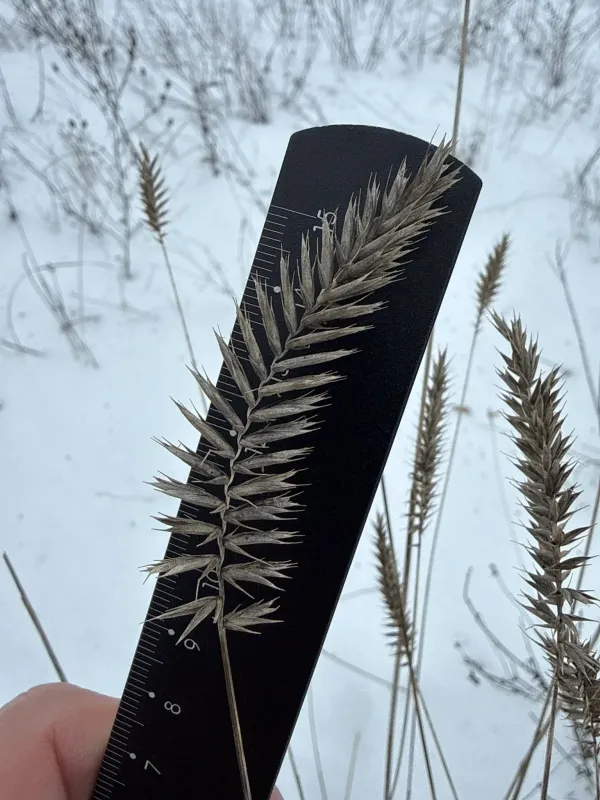
Description
Sowing dates
Crested wheatgrass is a hardy perennial bunchgrass belonging to the Poaceae family. It is widely recognized for its ability to thrive in arid and semi-arid environments.
The best time for planting is early spring as soon as the soil is workable. Fall planting is also effective, allowing the seeds to germinate early in the following spring.
Standard seeding rates range from 8 to 12 kg per hectare depending on the desired stand density and the specific purpose of the forage crop.
Seeds should be placed at a depth of 2 to 4 cm. Shallow planting is crucial for successful establishment, ensuring the seedlings emerge quickly and develop roots.
During the first year, crested wheatgrass grows slowly. Providing adequate weed control during this initial phase is essential to ensure the longevity of the stand.
Growing requirements
This species is exceptionally drought-tolerant, making it an ideal choice for regions with limited rainfall. It efficiently utilizes moisture early in the season.
Crested wheatgrass performs best in well-drained loamy soils but is remarkably adaptable to alkaline and slightly saline soil conditions found in prairie regions.
The plant is highly winter-hardy and can withstand extreme temperatures, including harsh winters with limited snow cover, without suffering significant loss.
Waterlogged or poorly drained soils should be avoided, as the plant is prone to root rot in saturated conditions. It requires well-aerated ground to thrive.
As a sun-loving plant, it requires full exposure to sunlight for optimal development. It does not perform well in shaded areas or under dense forest canopies.
Yield
Yields of crested wheatgrass generally range from 8 to 15 tonnes of green matter per hectare, though productivity can fluctuate based on annual precipitation.
The hay produced is highly nutritious, particularly if harvested at the correct stage. It contains high protein levels, making it valuable for winter livestock feed.
It is a long-lived species, often persisting for 15 years or more in stable environments. Once established, it requires minimal maintenance to maintain high yields.
Regrowth capacity is high, allowing for multiple uses within a single season, including both grazing and hay production if managed correctly.
Applying nitrogen fertilizers can significantly boost productivity, especially in stands that have been established for several years and require supplemental nutrients.
Main diseases and pests
Ergot can be a concern in some years, particularly during cool and damp flowering periods. Proper management of the harvest cycle helps mitigate this risk.
Leaf rust and various smuts may affect stands in high-humidity seasons, although they rarely cause total crop failure in well-managed fields.
Insects like grasshoppers can cause severe damage during drought years. Monitoring local populations and applying integrated pest management is advised.
Stalk-boring insects may damage the stems, but maintaining a healthy, vigorous stand usually allows the plants to compensate for minor herbivory.
Field hygiene, including removing old crop residues and managing weed populations, is the primary defense against the buildup of diseases and harmful pests.
Harvesting
For hay, harvest should occur during the boot to early flowering stage. Cutting at this time maximizes the balance between dry matter yield and nutritional quality.
The cutting height should be maintained at 7–10 cm to ensure the plants have enough energy reserves to recover quickly and produce healthy regrowth.
Seed harvest is performed when the heads turn a golden-brown color. Using a combine harvester allows for efficient gathering of seeds before natural shattering occurs.
After cutting, the forage should be dried in the field until moisture levels drop below 18%. This prevents spoilage and ensures high-quality storage.
Strategic timing of the harvest is key to maximizing the value of the crop, ensuring both high yields and long-term sustainability of the perennial stand.