
Crested wheatgrass
Agropyron cristatum (L.) Gaertn. subsp. pectinatum (M. Bieb.) Tzvelev var. pectinatum (M. Bieb) Tzvelev
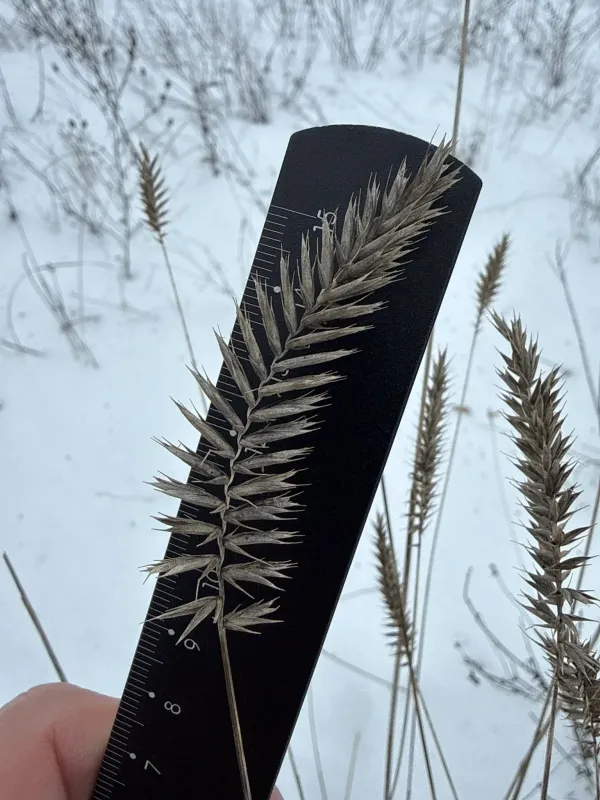
Description
Sowing dates
Crested wheatgrass is a perennial bunchgrass belonging to the Poaceae family, widely recognized for its robust growth and longevity in semi-arid environments. It is characterized by an extensive root system that allows it to thrive in nutrient-poor and dry soils.
The optimal planting time is early spring, which ensures the seeds benefit from moisture accumulated during the winter season. Fall seeding is also common, allowing seeds to germinate as soon as temperatures rise in the following spring.
Seeding depth is critical and should be kept between 1 and 3 centimeters. Planting too deep often results in poor emergence and weak stands, which can significantly reduce the overall productivity of the grass pasture over its lifespan.
Standard sowing involves row seeding with a spacing of 15 to 20 cm. For erosion control on slopes, broadcast seeding followed by light soil incorporation is often preferred to establish a dense root mat that protects the topsoil effectively.
During the establishment year, the plant allocates most of its energy to root development. Weed control is essential during this phase, as the young seedlings are not yet competitive enough to withstand aggressive encroachment from annual weeds.
Growing requirements
This grass is synonymous with drought tolerance, making it an ideal choice for regions receiving as little as 250-300 mm of annual precipitation. It remains green long after other grasses have entered dormancy during peak summer heat.
Crested wheatgrass prefers well-drained loamy to sandy soils but displays a remarkable tolerance for various soil types, including alkaline and slightly saline conditions. It is ill-suited for areas with high water tables or poor drainage.
The plant thrives in regions with cold winters and hot, dry summers, demonstrating high winter hardiness. It can withstand freezing temperatures even in snow-free conditions without significant damage to the crown or root system.
While fertilization is not strictly necessary in extensive grazing systems, nitrogen applications in early spring can significantly boost biomass production. Phosphorus and potassium are important for long-term stand vitality and root strength.
It is not adapted to wet or acidic soil conditions. In such environments, the plant is prone to root rot and will be quickly outcompeted by other vegetation, leading to a rapid decline in pasture productivity and plant cover.
Yield
Forage yield varies significantly based on environmental conditions and management practices, typically ranging from 1.0 to 2.5 tons of dry hay per hectare under dryland conditions. Yields can double when adequate irrigation is provided.
To maximize nutritional value, the grass should be harvested at the boot to early heading stage. This timing captures the best balance between protein content, digestible energy, and overall dry matter yield before the plant becomes stemmy.
The regrowth potential depends heavily on residual soil moisture. If summer moisture is scarce, the aftermath (regrowth) may be limited, making it best suited for light grazing rather than a second mechanical harvest for hay.
The forage is highly palatable and nutritionally dense, making it a preferred choice for cattle, sheep, and horses. It serves as an excellent source of winter roughage due to its ability to retain nutrients even after curing in the field.
Seed production yields range from 300 to 600 kg per hectare. Successful seed crops require managed row spacing to prevent crowding and allow for maximum floral development, along with careful pest monitoring during the pollination phase.
Main diseases and pests
Smut diseases are the most prevalent issues affecting crested wheatgrass, specifically targeting the inflorescences. These pathogens can cause complete seed crop failure if not managed through proper seed treatment and selection of resistant varieties.
Rust fungi can also cause significant damage during humid periods. Leaf infections reduce the photosynthetic surface area, leading to stunted growth, decreased biomass production, and reduced palatability for livestock.
Insect pests, including grasshoppers and various stem-boring moths, can damage the crown and stems of the grass. Grasshopper outbreaks, in particular, pose a major threat in drought-prone regions where they can devastate large areas of pasture.
Management strategies focus on integrated pest management (IPM), including timely mowing to disrupt insect life cycles and the use of chemical controls only when infestation levels threaten the economic viability of the stand.
Maintaining a healthy, vigorous stand is the best natural defense against pests and diseases. Proper stocking rates and avoiding overgrazing help keep the plants strong enough to withstand minor infections and environmental stressors.
Harvesting
Hay harvest should be conducted during the heading phase to ensure high quality. Utilizing modern mower-conditioners is recommended to speed up the drying process and minimize nutrient loss from leaf shattering during mechanical handling.
When baling, moisture levels must be monitored carefully to prevent mold growth inside the bales. Proper storage in a dry, ventilated area is crucial for maintaining the quality of the hay until it is fed to livestock during the winter.
Seed harvesting is performed using direct combining once the seeds reach physiological maturity and change color to a straw-yellow shade. Because the seeds can shatter easily, timing is extremely precise to minimize harvest losses.
Post-harvest seed processing includes cleaning, drying, and testing for germination. High-quality seeds should be stored in cool, low-humidity conditions to ensure long-term viability and to prevent degradation over multiple planting seasons.
Straw from seed production can be utilized as low-quality roughage for livestock if processed correctly. It should be supplemented with protein-rich feed to ensure the nutritional requirements of the animals are met.